Reefs cover barely a sliver of the ocean floor. Less than 0.1%, actually. Yet they hold roughly a quarter of all known marine life. That single fact turns a coloring page into a tiny science lesson.
Coral reef coloring pages give kids color, creatures, and curiosity in one sitting. They build fine motor skills. They spark questions about ecosystems. And they keep little hands busy while little minds grow.
Explore Our Free Coral Reef Coloring Collection
We’ve put together a bright, ready-to-print gallery just for this ocean adventure. Fish, coral, turtles, hidden critters — it’s all here, waiting for crayons.
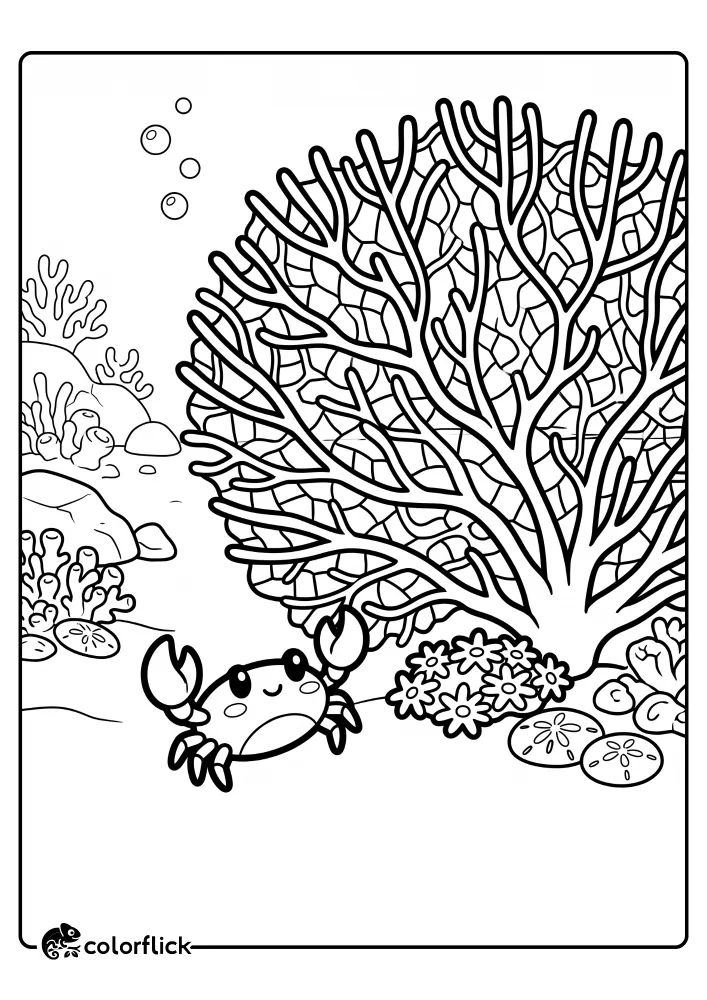
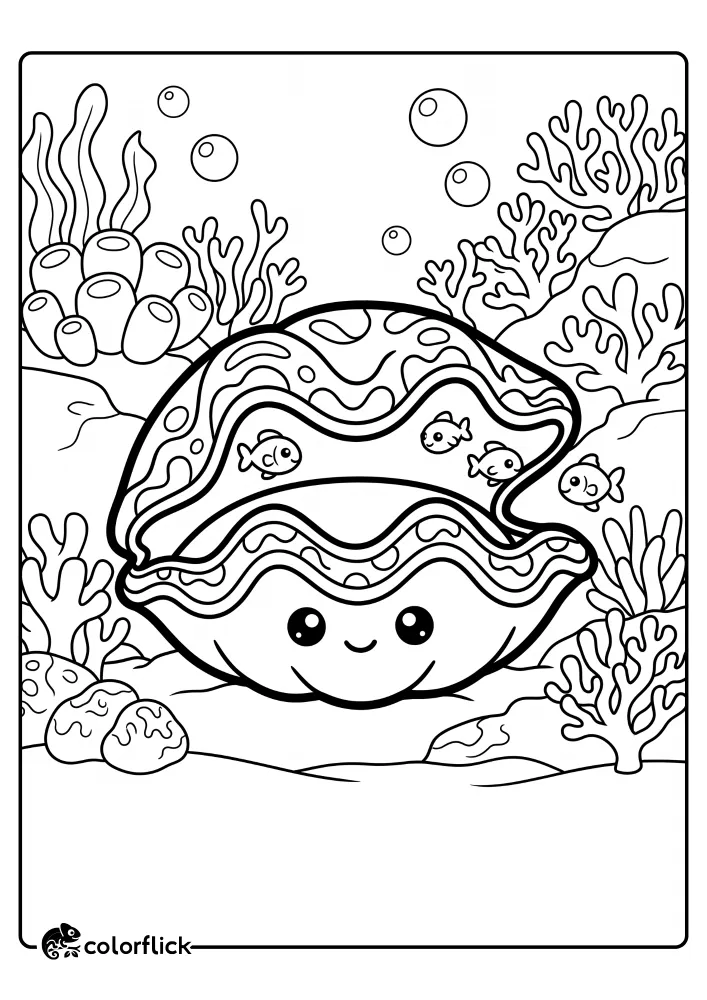
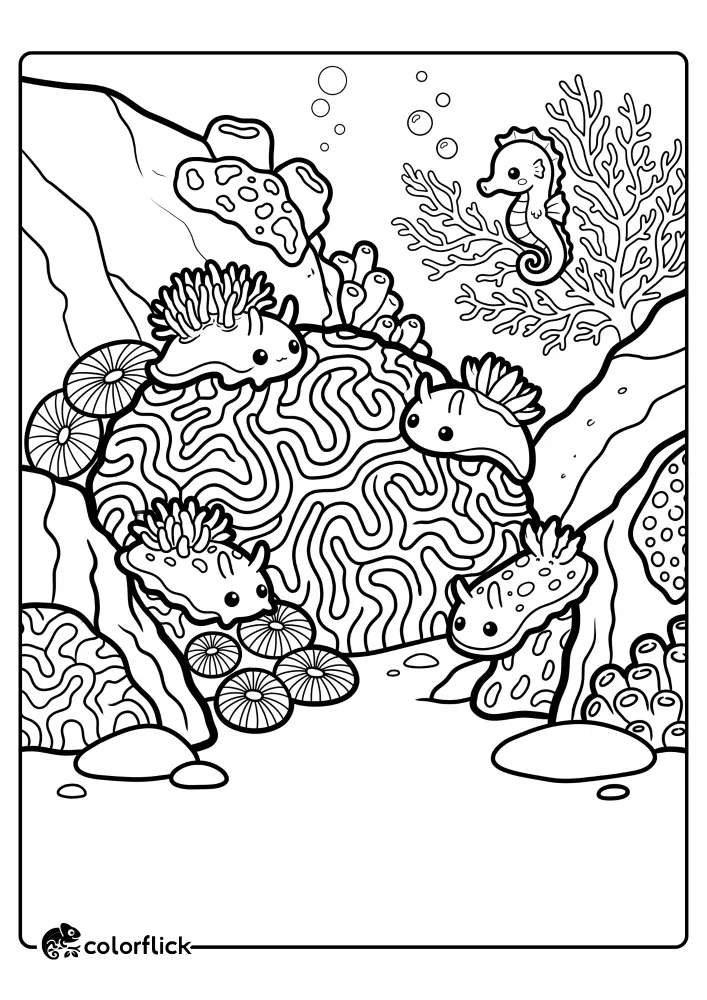
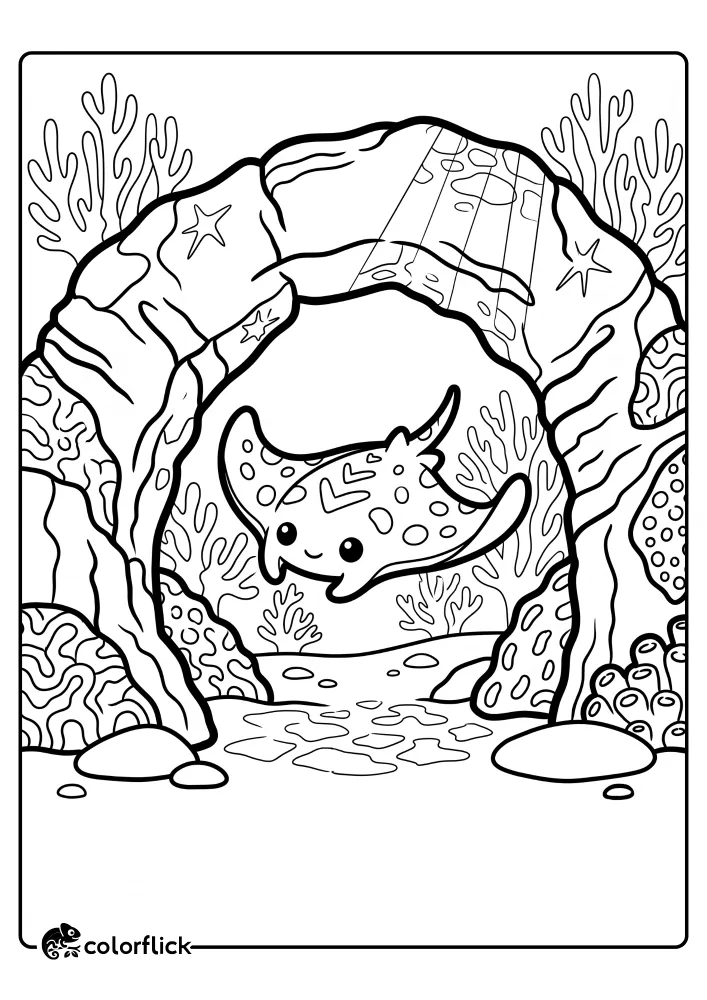
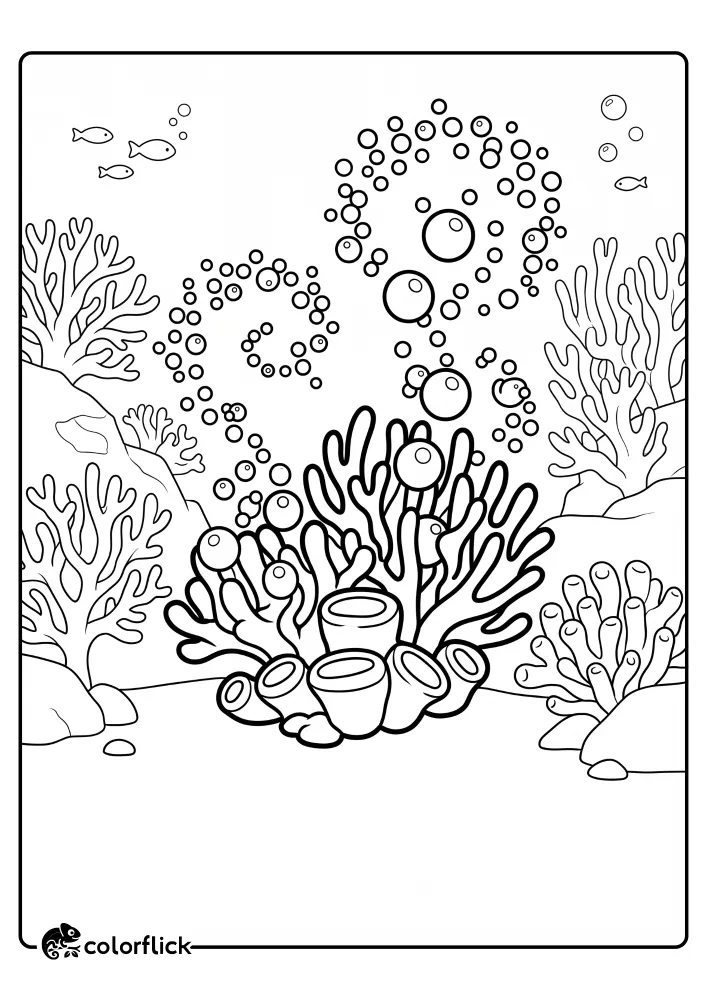
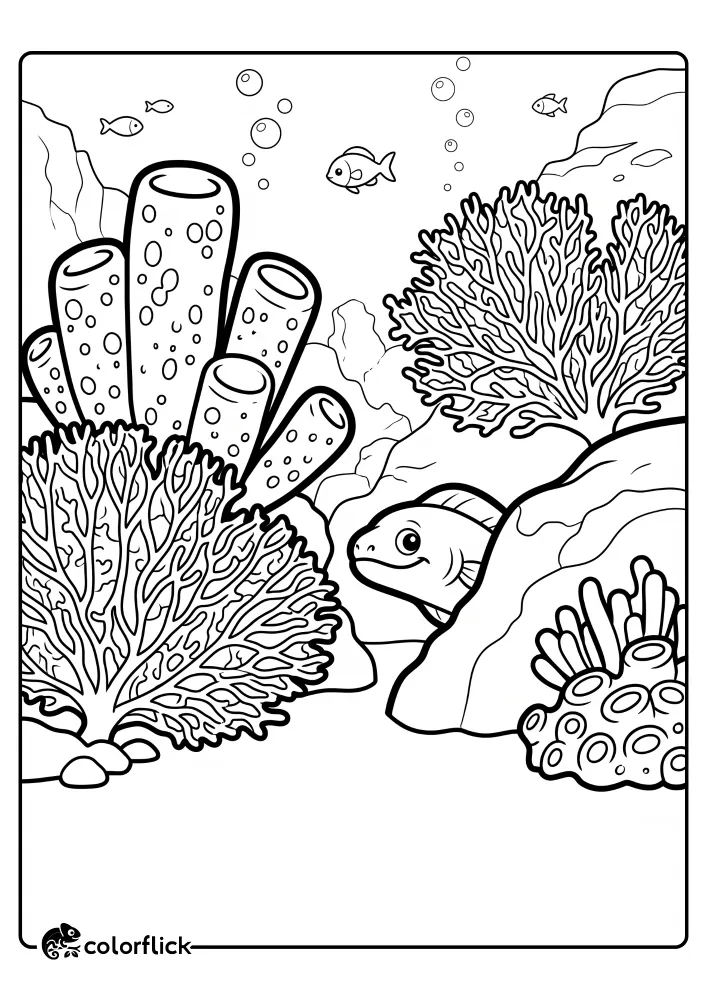
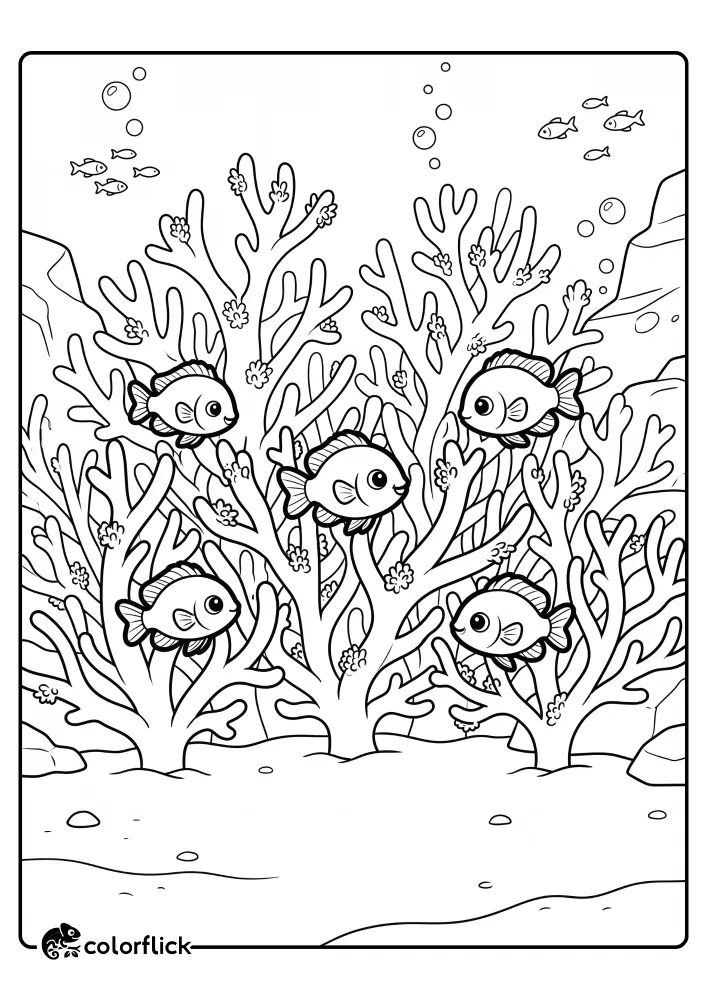
A City Under the Waves
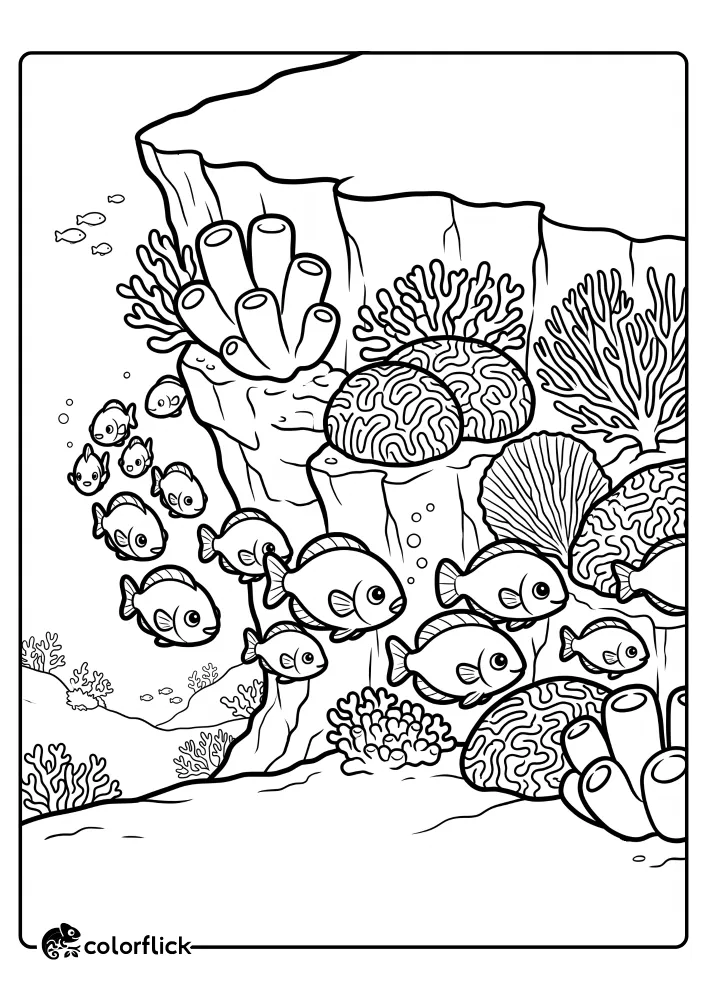
Reefs aren’t just rocks with fish swimming by. They’re closer to a busy shelter-packed city. Built by tiny animals called coral polyps, reefs create homes for countless species. Food chains form around them. Biodiversity thrives inside them. For kids, coloring a full reef scene teaches something bigger than one animal or one color: everything here shares the same neighborhood. Little eyes start grouping shapes. Little hands start noticing patterns. That’s visual composition training, disguised as fun.
Wait, Coral Is an Animal?
Most kids assume coral is a plant. Or a rock. Neither is true. Reef-building coral species are animals, and they construct hard skeletons from calcium carbonate. Layer by layer, polyp by polyp, these skeletons stack up into massive reef structures over time. It’s a slow build. A patient one. Coloring tiny, repeated forms mirrors that patience, strengthening fine-motor control stroke by stroke. New vocabulary comes along for the ride too: polyp, skeleton, colony.
Meet the Neighbors: Reef Fish and Sea Life
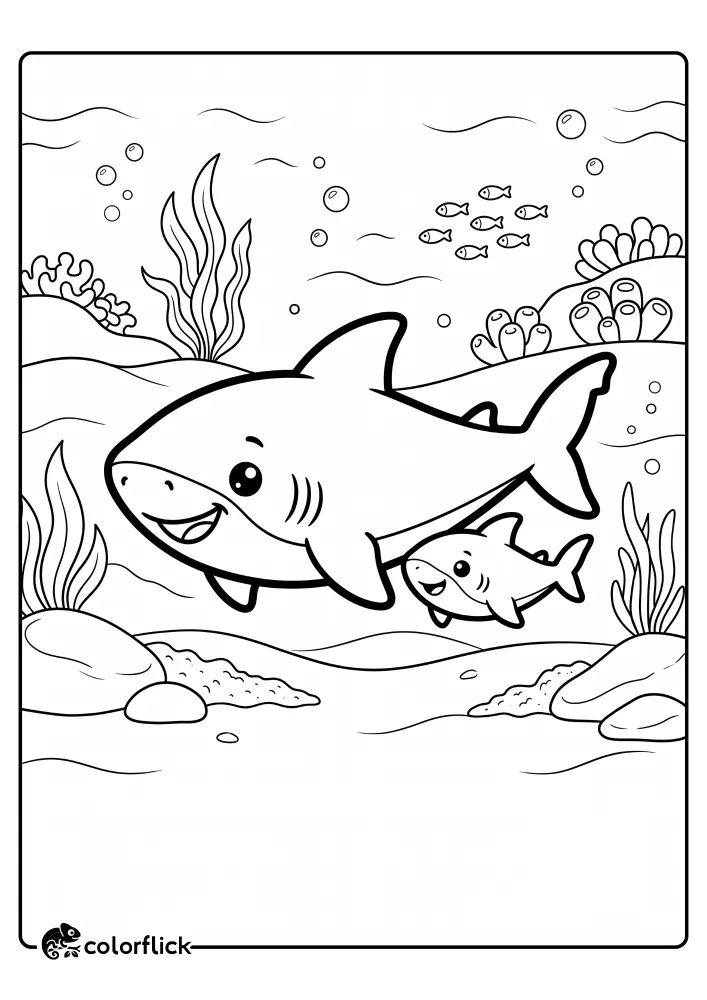
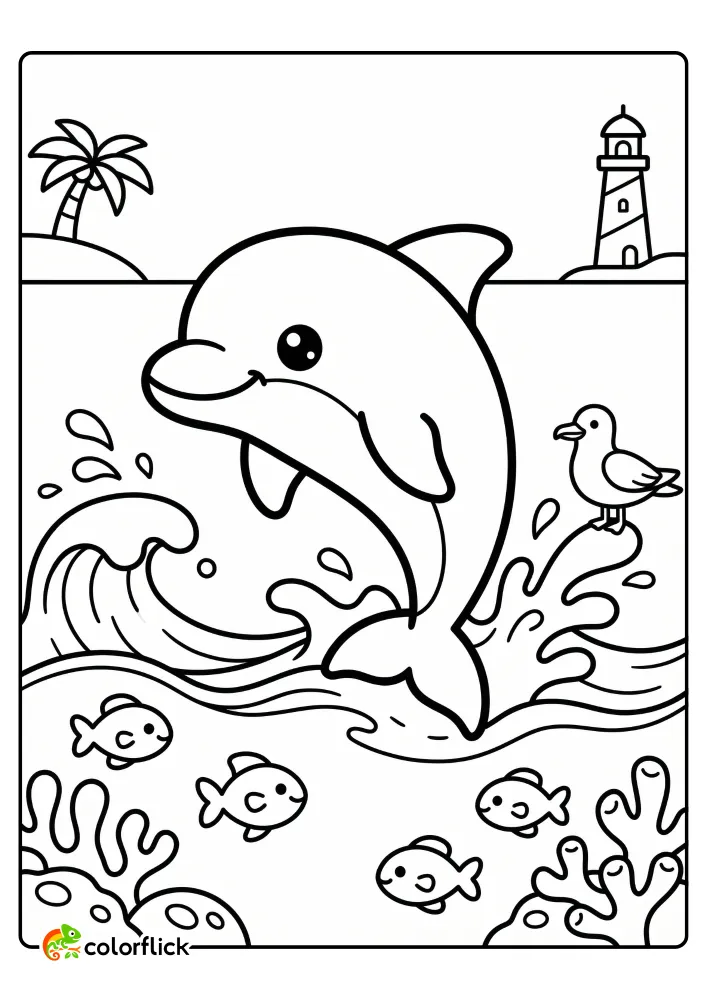
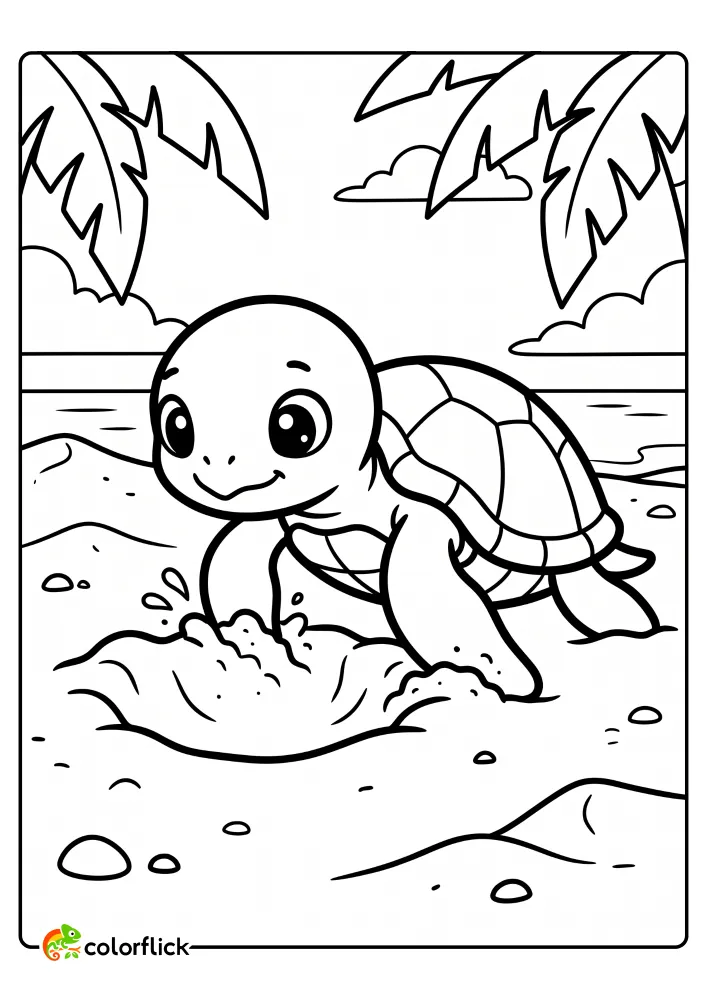
Turtles gliding past. Seahorses tucked into branches. Sharks, clams, octopuses, all sharing one address. Thousands of animals call the reef home, using it for food, shelter, and camouflage. This is where coloring pages get genuinely exciting for kids — so many creatures to spot, so many shapes and textures to compare. Some animals change color entirely just to hide from predators. Others wedge into coral cracks and disappear. Spotting the differences sharpens attention to detail while building animal vocabulary naturally.
Fringing Reefs, Barrier Reefs, and Atolls
Not all reefs look alike. Fringing reefs hug the coastline. Barrier reefs stand further out, separated by open water. Atolls form rings, often around what was once a sunken volcanic island, with a calm lagoon resting in the middle. Comparing these types gives kids a gentle nudge toward classification and sorting, both early science skills. It also builds a mental map of how land, water, and reef shapes connect to one another, one ring or ridge at a time.
Bursting With Color and Pattern
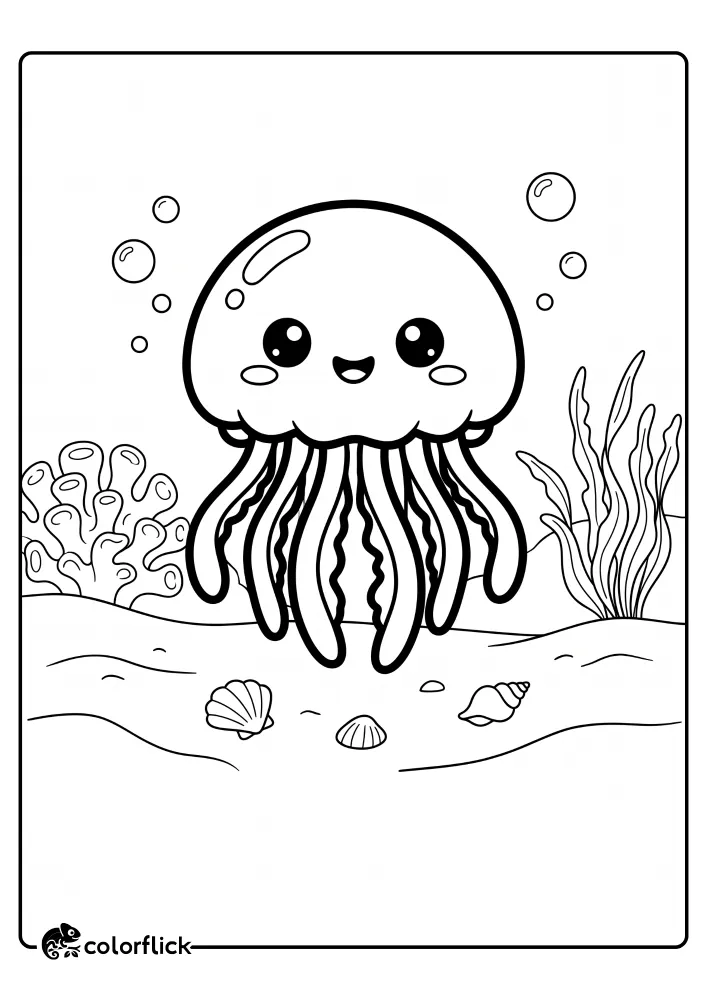
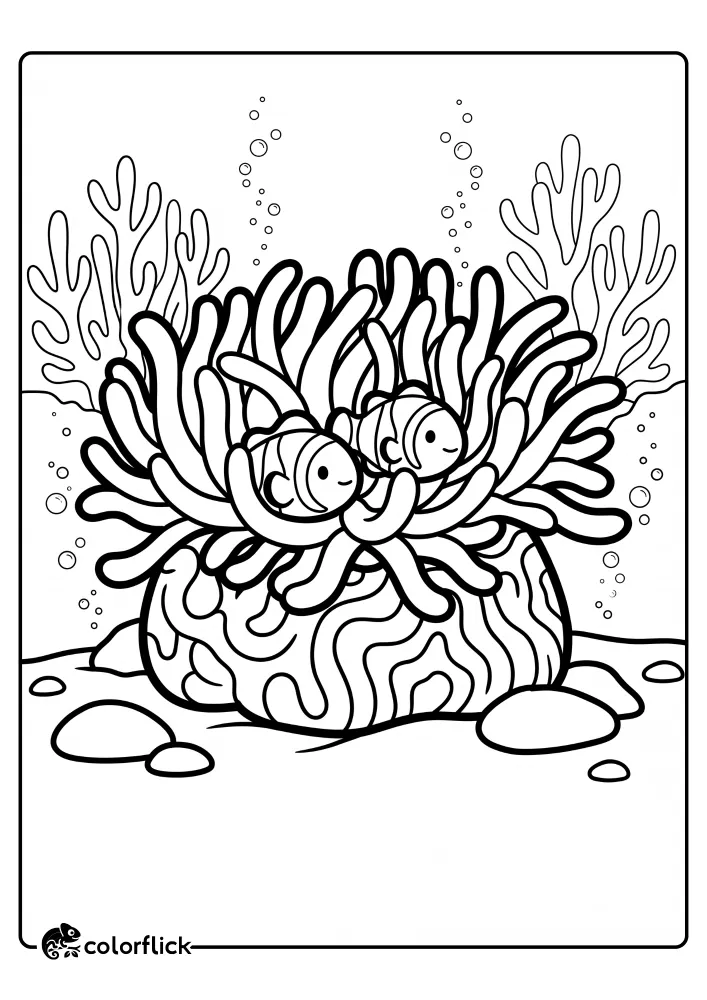
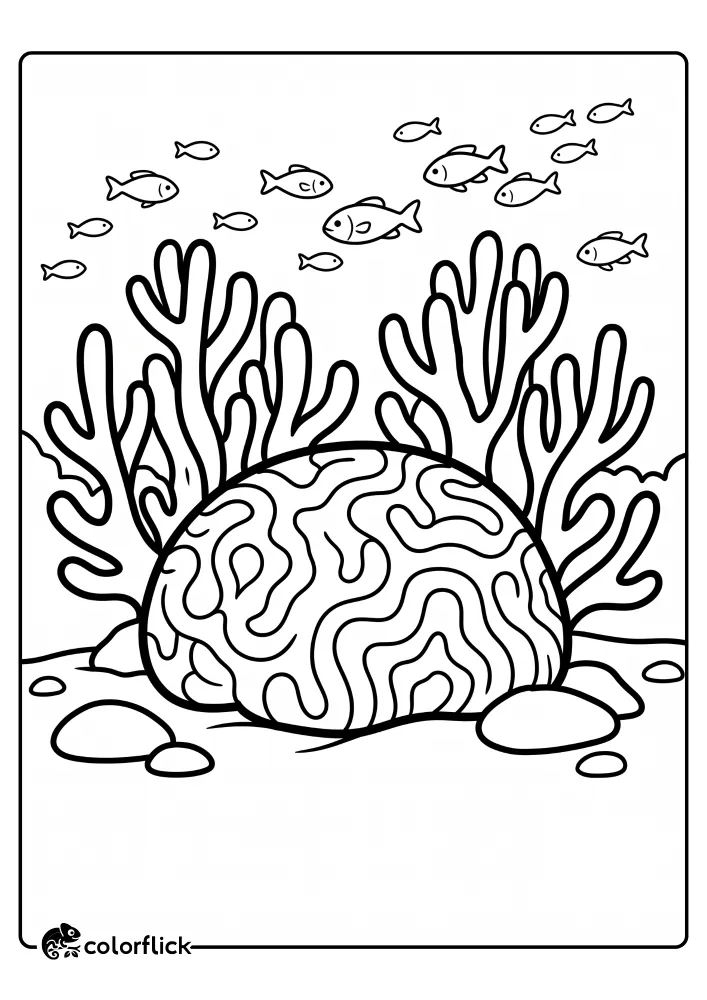
Branching corals twist upward. Rounded coral mounds sit low and solid. Sponges, waving sea plants, and scale-covered fish add layer after layer of texture. This is the richest section for open-ended creativity, hands down. Warm oranges next to cool blues. Repeating patterns along a fish’s side. Soft, waving movement suggested through color choices alone. A busy, layered reef scene invites kids to experiment freely, building hand-eye coordination while making genuinely personal color decisions.
Why Reefs Need Our Help
Reefs are fragile. That single truth changes how kids see this ecosystem. Pollution, overfishing, and careless boat damage all threaten reef habitats worldwide. Protecting reefs means protecting every animal that depends on them. For young children, this isn’t a heavy lecture — it’s a simple, meaningful message. Coloring stops being just decoration and starts connecting to care for the natural world. Scientists and volunteers actively protect reef zones and clean up pollution, and some areas are now set aside as protected marine sanctuaries.
The Secret Partnership Inside Every Coral
Here’s a fact that surprises most adults too: tiny algae live inside coral polyps. Using sunlight, these algae produce food, and that partnership helps coral grow and thrive in clear, shallow water. Remove the sunlight, and the whole system struggles. This little science nugget gives coloring pages real educational weight, beyond just shapes and shades. Kids start connecting cause and effect. Algae, sunlight, shelter — three words, one entire ecosystem quietly humming along beneath the waves.
Play the Coral Reef Find-It Game
A good reef illustration is packed with detail — fish, coral branches, shells, waving plants, tucked-away creatures. That density makes it perfect for a scavenger hunt. Before or during coloring, challenge your child: find and count every fish, spot the largest coral shape, locate one creature hiding behind the reef. Searching sharpens observation and visual scanning skills, and it keeps the page interactive rather than passive. Suddenly, coloring time turns into a hunt, and a hunt keeps kids engaged far longer than color alone ever could.
Ready to Color the Reef?
Coral reefs pack an entire ecosystem into one small, colorful space, and that’s exactly what makes them such a rewarding coloring theme. Every stroke of crayon teaches something, whether it’s patience, pattern, vocabulary, or simple care for ocean life. Head back to our gallery, print a page, and let the reef come alive one color at a time.