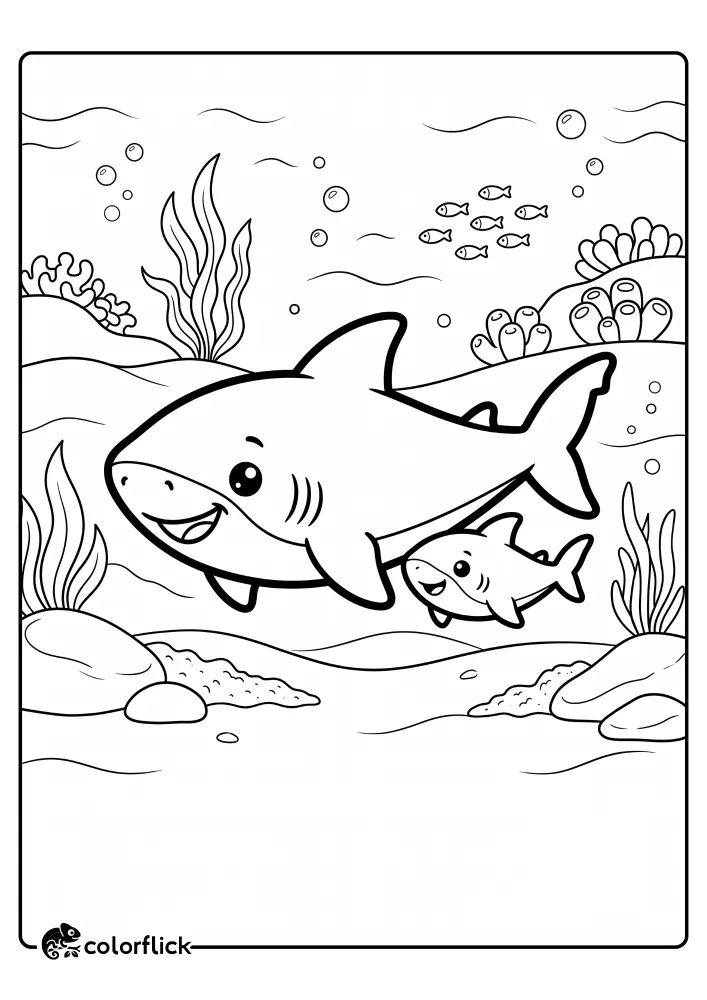
Sharks have been swimming the oceans for hundreds of millions of years. Longer than dinosaurs walked the earth. That alone makes them one of the most fascinating creatures a child can meet with a box of crayons.
Coloring sharks does more than fill in an outline. It sharpens focus. It builds vocabulary. It turns a fear-based animal into a subject of curiosity and respect. Perfect for quiet afternoons, rainy days, or classroom science time.
Ready to Explore Our Free Shark Coloring Collection?
We’ve pulled together a full library of shark pages, from gentle whale sharks to sharp-toothed predators. Every sheet is free, printable, and made for little hands ready to color their way through the deep blue.
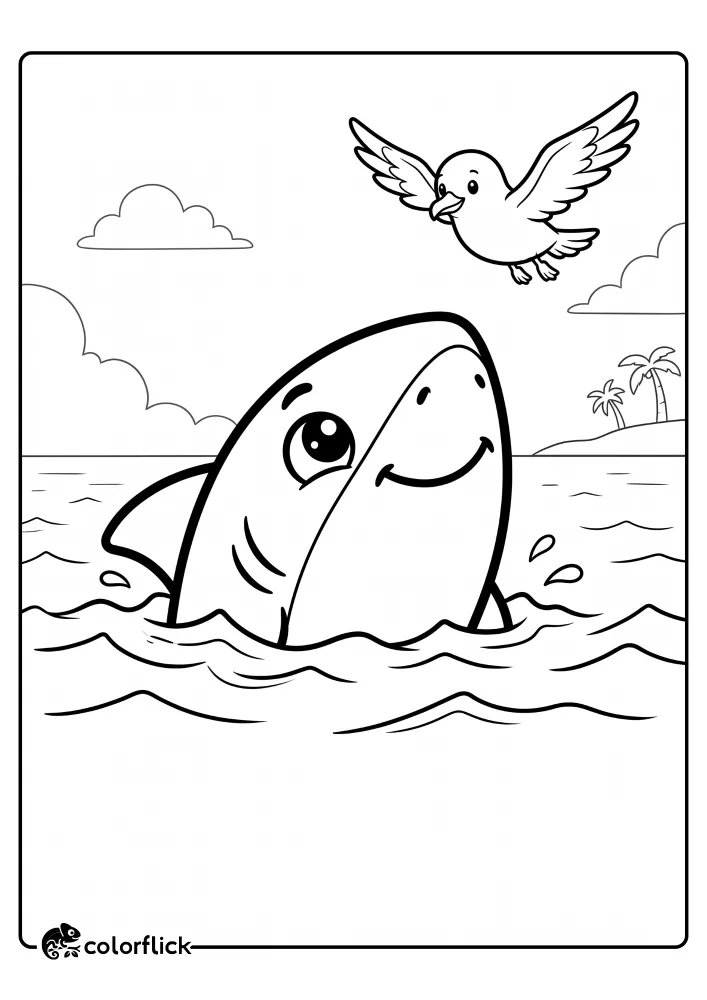
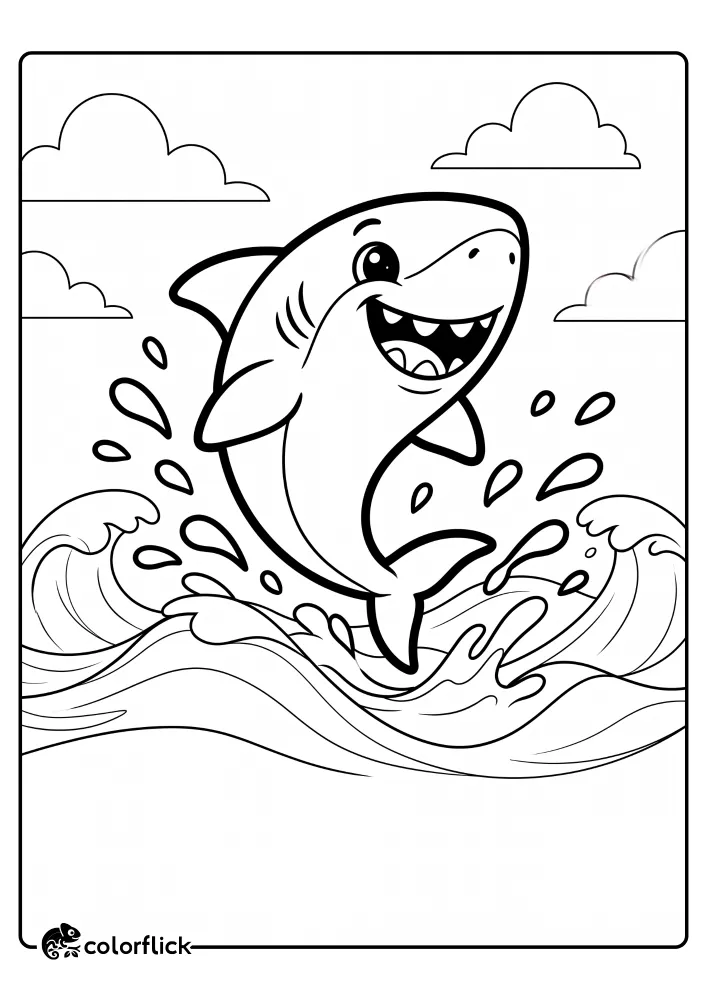
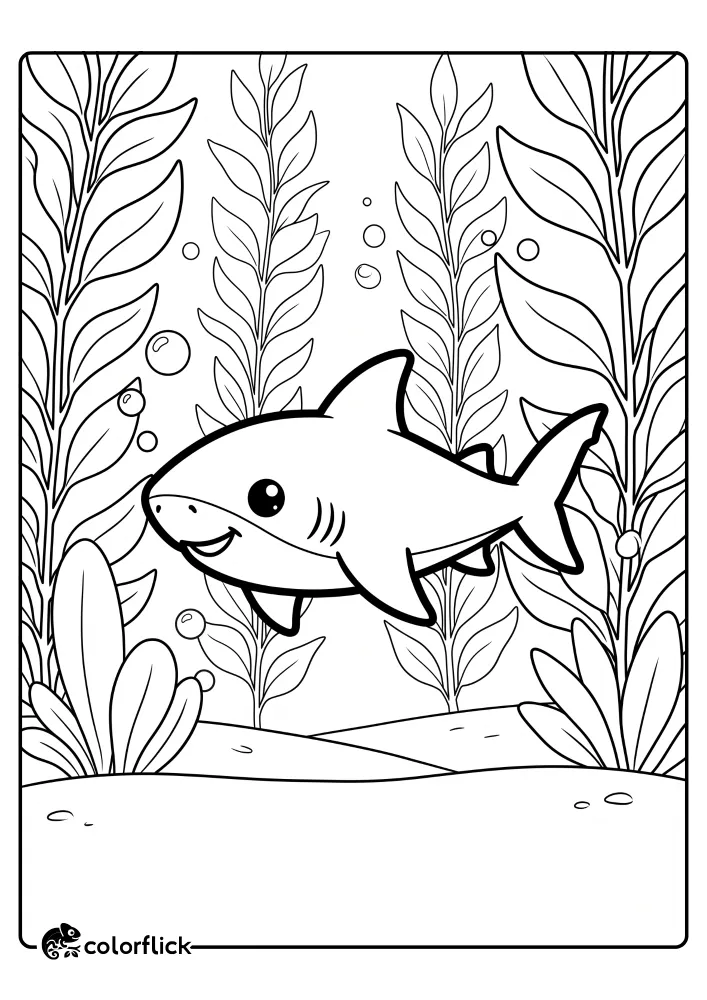
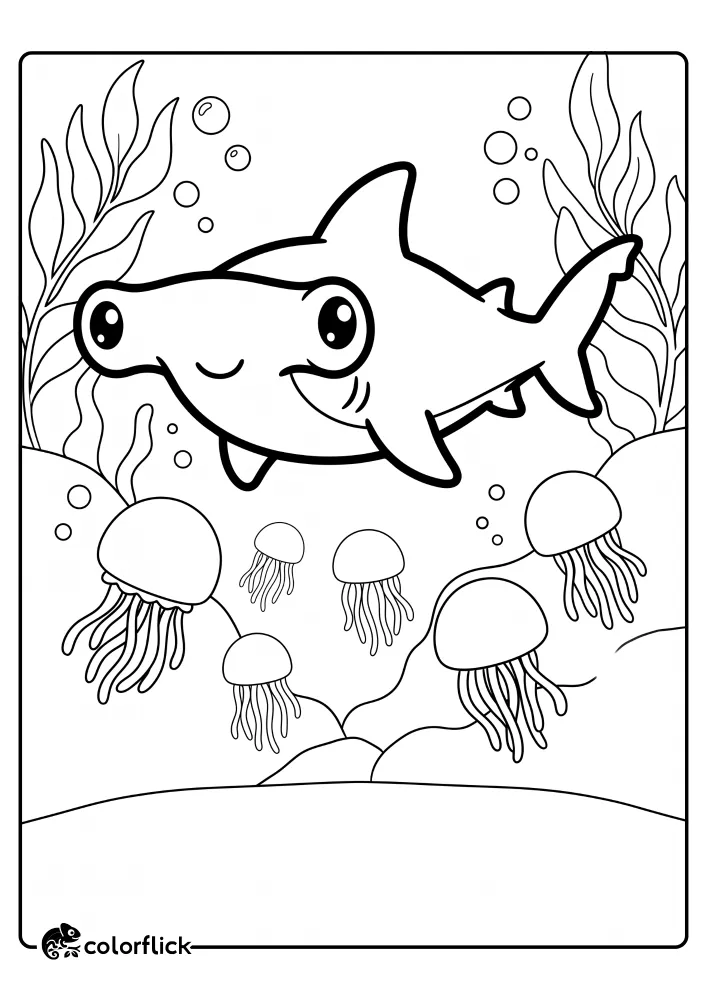
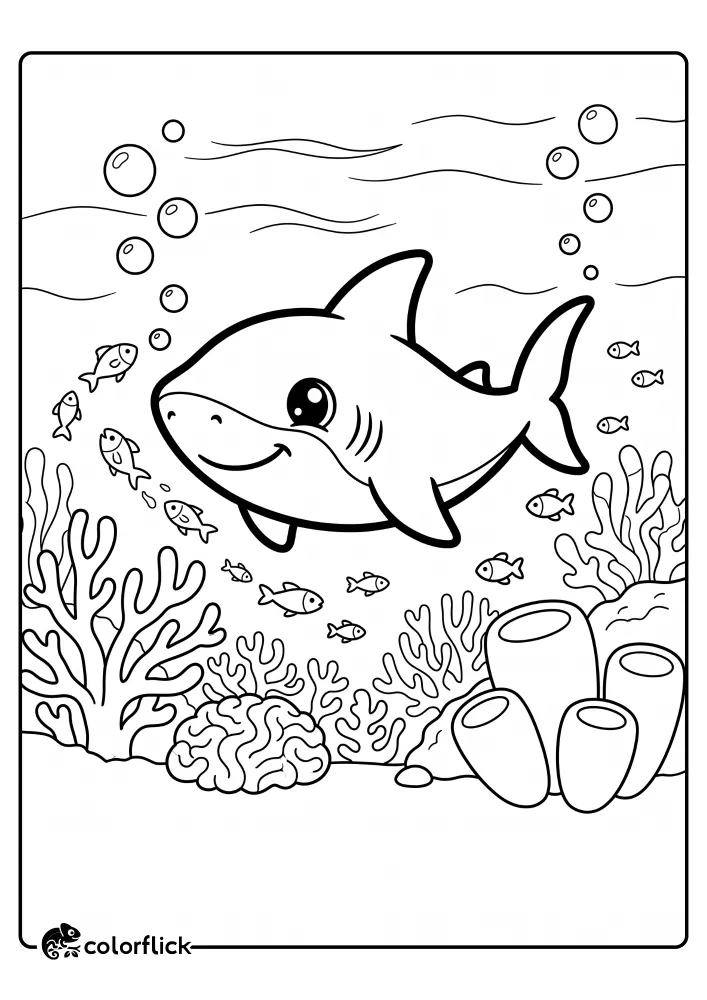
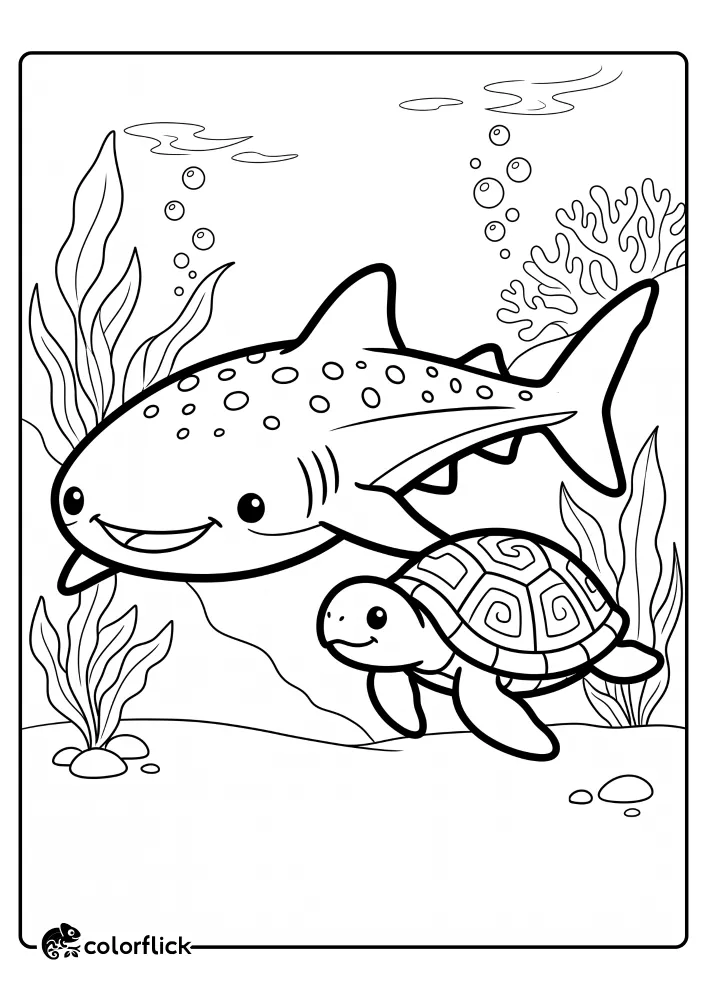
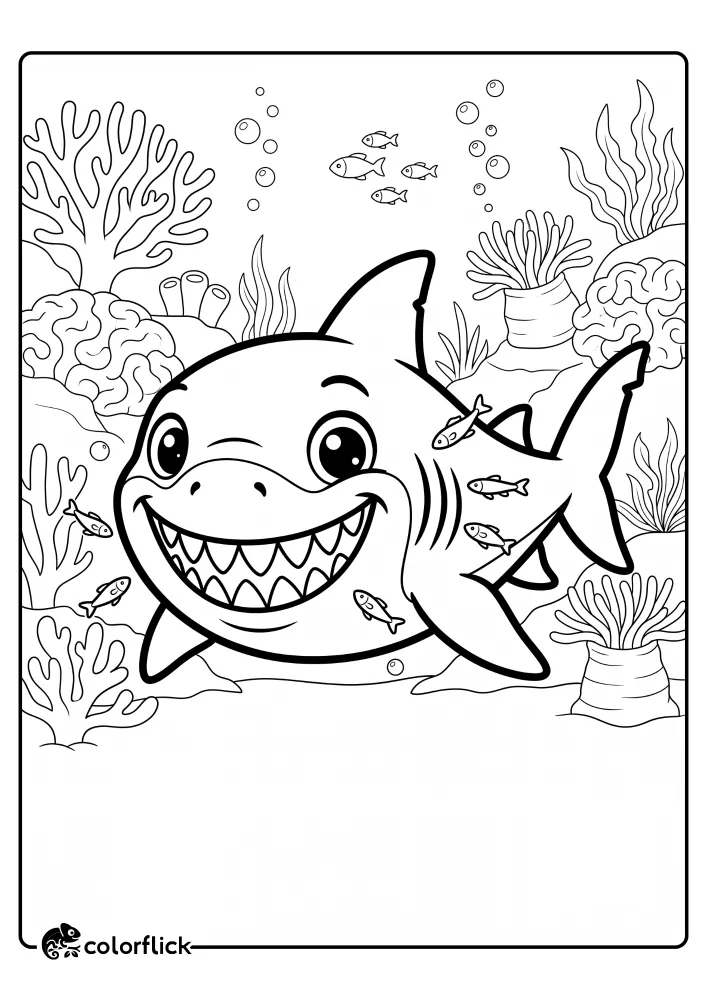
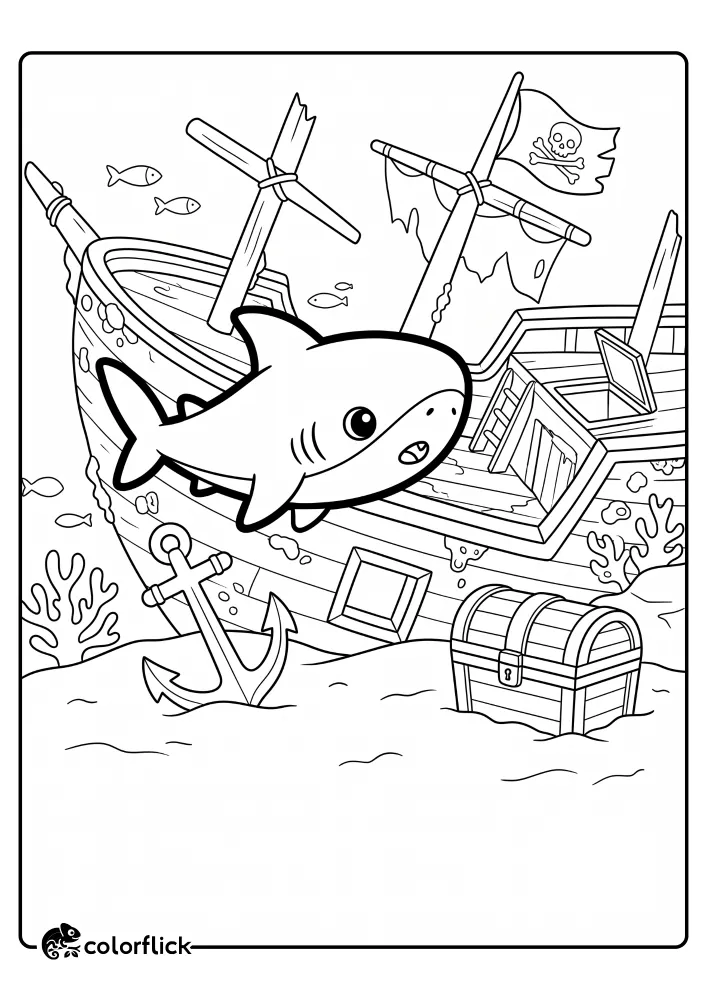
Built for Speed: Shark Anatomy and Body Shape
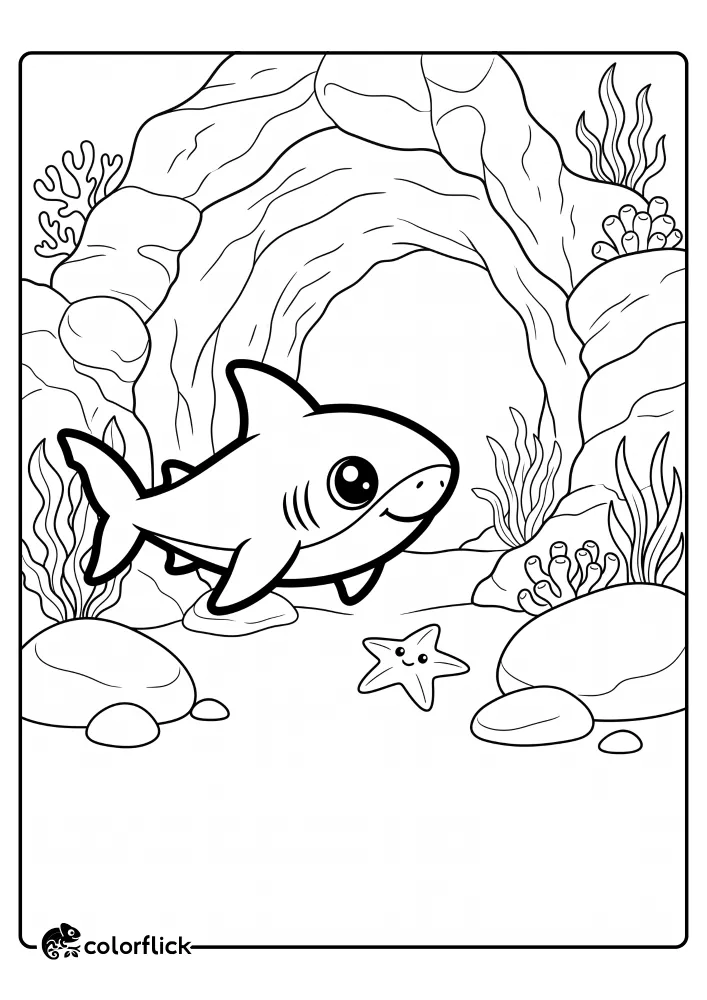
Sharks aren’t quite fish in the usual sense. Their skeletons are made of cartilage, not bone. Bendy, light, built for motion. That’s what gives them their streamlined shape and their gliding, effortless swim.
Fins keep them balanced. Gills let them breathe underwater. Tough skin protects them from the rough work of ocean life. When kids color a shark’s body, they’re really tracing the blueprint of a swimming machine — and picking up words like fin, gill, and cartilage along the way.
A World of Different Sharks
Here’s something surprising: there isn’t just one kind of shark. There are hundreds.
Whale sharks are the giants of the group — the largest fish alive, yet they eat some of the smallest food in the ocean. Great whites and tiger sharks hunt. Hammerheads look like nothing else in the sea.
Comparing these species on a coloring page does real cognitive work. Kids start sorting shapes, spotting patterns, noticing differences. It’s science dressed up as art, and it sticks.
Why a Shark’s Skin Isn’t Just Gray
Look closer and shark skin tells a story. Dark on top, pale underneath. Not by accident.
This is countershading, a natural camouflage trick. Seen from above, a shark blends with dark water below. Seen from below, its pale belly disappears into bright surface light. Rough to the touch too, almost like sandpaper, despite looking smooth and sleek.
Coloring these patterns teaches children something quietly important: color isn’t only decoration. Sometimes it’s survival.
Rows and Rows of Teeth
A shark’s mouth holds a secret most kids don’t expect. Behind the front row of teeth, more teeth wait. Ready to move forward the moment one is lost. Like a conveyor belt that never stops.
Not every shark hunts with teeth, though. Whale sharks filter tiny plankton straight from the water, gentle giants despite their size. Coloring the mouth and teeth gives kids a clear focal point, and a simple lesson in cause and effect: different mouths, different meals.
Where Sharks Call Home
Coral reefs. Open ocean. Cold Arctic water. Deep, sunless trenches. Sharks have found a way to live in almost every corner of the sea.
That range is exactly why shark scenes look so different from one page to the next — sometimes a bright reef, sometimes deep blue nothing. Old sailors once told stories of sharks as ocean guardians, or fearsome deep-sea monsters. Coloring a shark in its home teaches children to see the whole picture, not just the animal alone.
Are Sharks Really Dangerous?
Most sharks want nothing to do with people. Attacks are rare, especially compared to how many swimmers share the ocean with them every single day.
When something does go wrong, it’s usually confusion. Mistaken identity, unfamiliar shapes, curious investigation rather than aggression. Learning this shifts a child’s mindset from fear toward respect. Curious, not scary. Safe to admire, safe to color, safe to understand.
Myth or Fact? Testing What We Know About Sharks
Myth: All sharks are dangerous.
Fact: Most sharks are harmless to people, and attacks are genuinely rare given how many humans swim in shark waters every day.
Sorting myth from fact is its own kind of learning. It teaches kids to question what they hear, and to replace fear with real information — one fin, one fact at a time.
From Paper to Puppet: A Shark Eco-Craft
Once a shark page is colored, the fun doesn’t have to stop. Glue it onto a scrap of cardboard for backing. Add a string tail. Tear strips of blue paper for choppy little waves underneath.
Recycled materials won’t look perfectly even, and that’s the whole point. A slightly crooked wave, a rough cardboard edge — these small imperfections are what make a handmade ocean scene feel real, and feel like it truly belongs to the child who made it.
Time to Set Sail Into the Shark Collection
Sharks carry more wonder than fear once you get to know them. Every page is a small dive into biology, vocabulary, and quiet focus, wrapped up in crayons and paper.
Ready for the full ocean adventure? Head back to our free shark coloring collection and let the exploring begin.