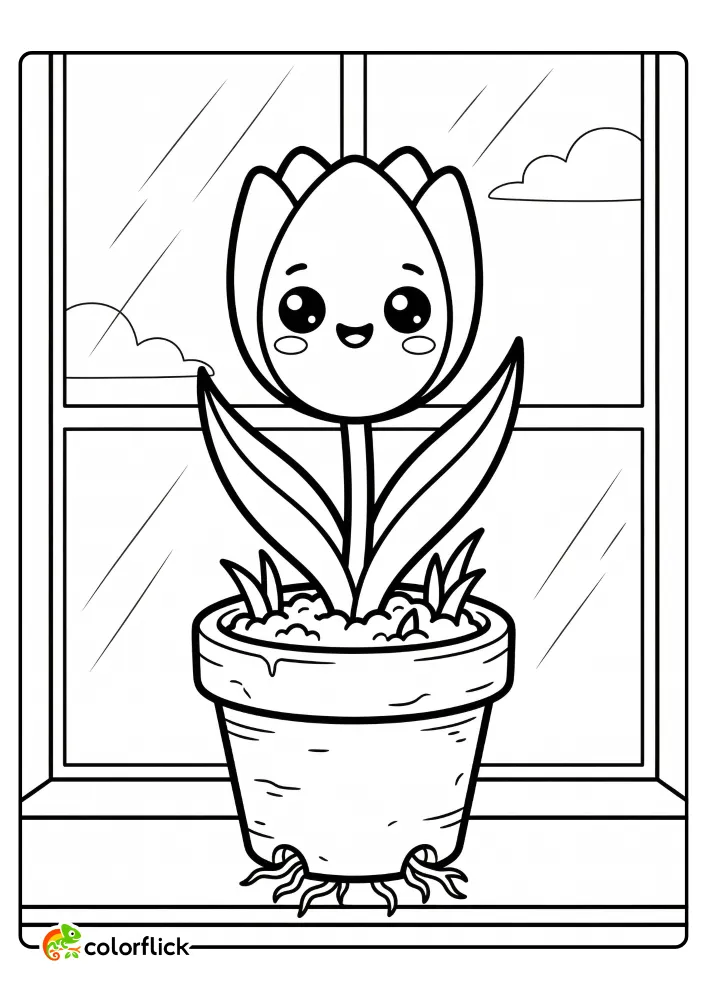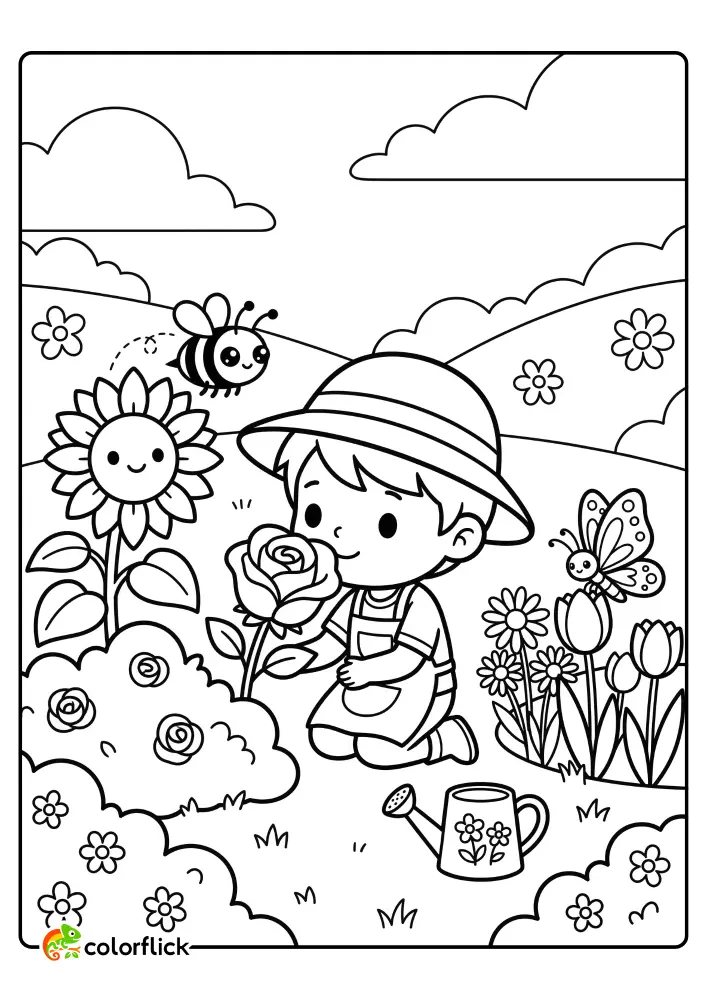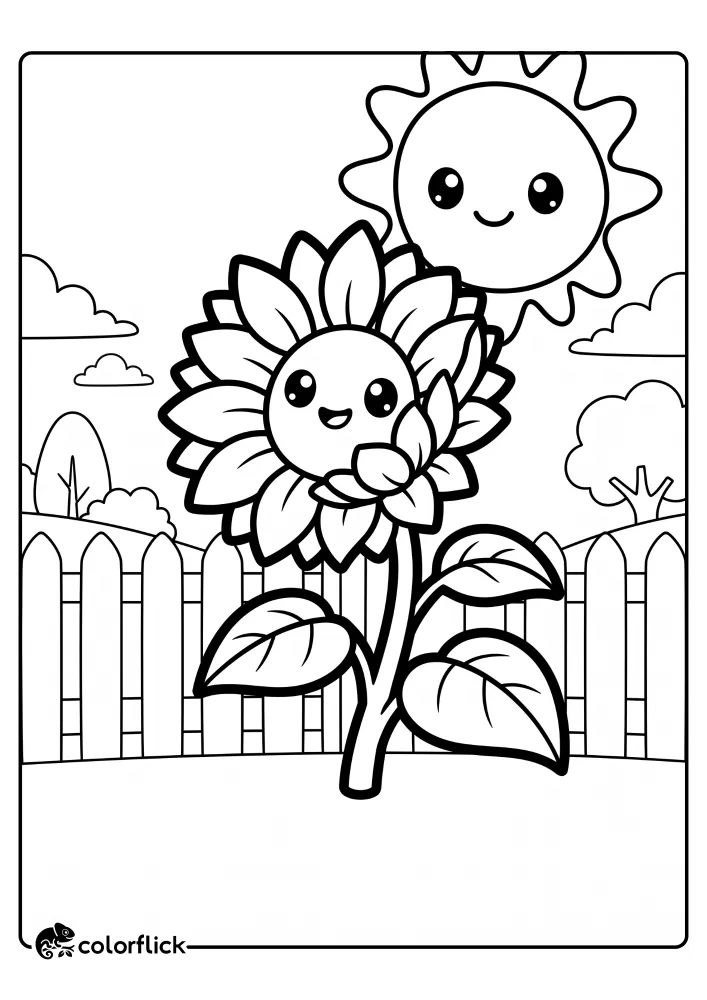
Rainforests aren’t flat. They’re stacked, layer upon layer, each one fighting for its own sliver of sunlight. That single fact turns a simple coloring page into a lesson on how life organizes itself when space runs short.
For kids, this topic is gold. Coloring tall canopy trees builds an eye for scale and depth. Tracing curled ferns sharpens fine motor control. And spotting an orchid tucked into a tree branch? That teaches ecological thinking before a child even knows the word “ecology.”
Explore Our Free Rainforest Plants Coloring Collection
We’ve pulled together a lush, layered set of pages covering every part of the rainforest, from towering canopy trees to tiny epiphytes. Each one is free, print-ready, and built to spark real conversation about how plants live and adapt.
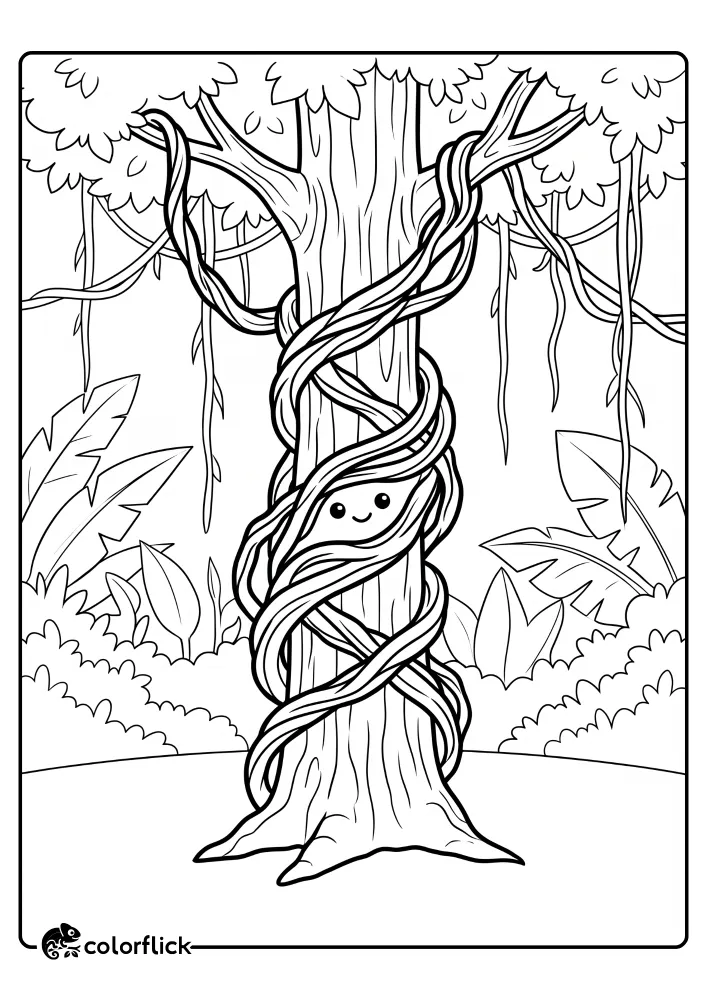
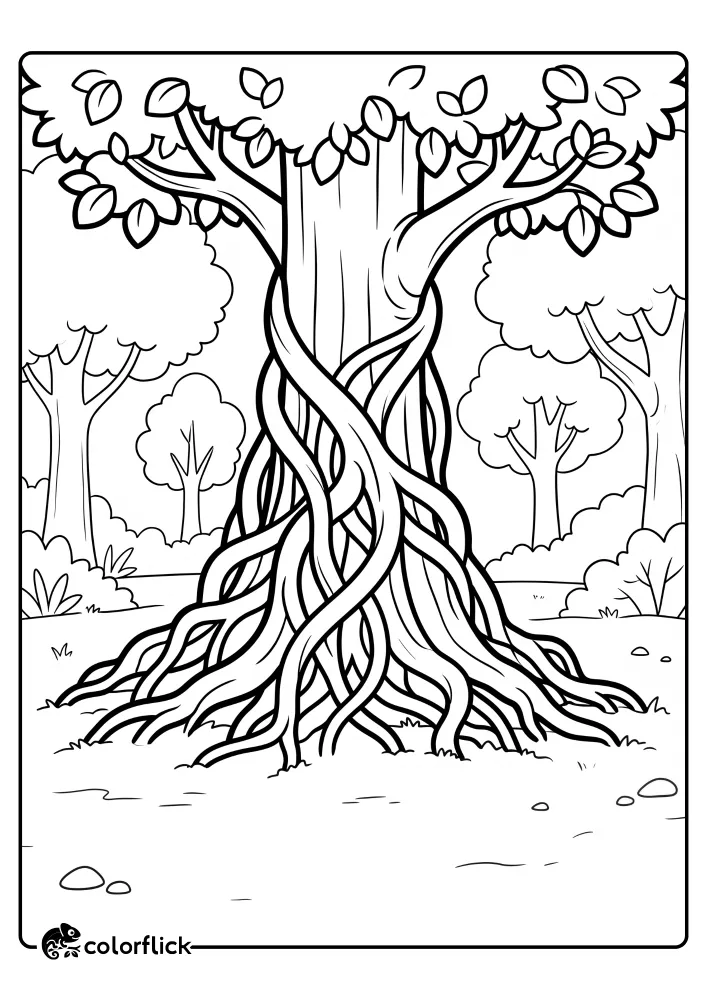
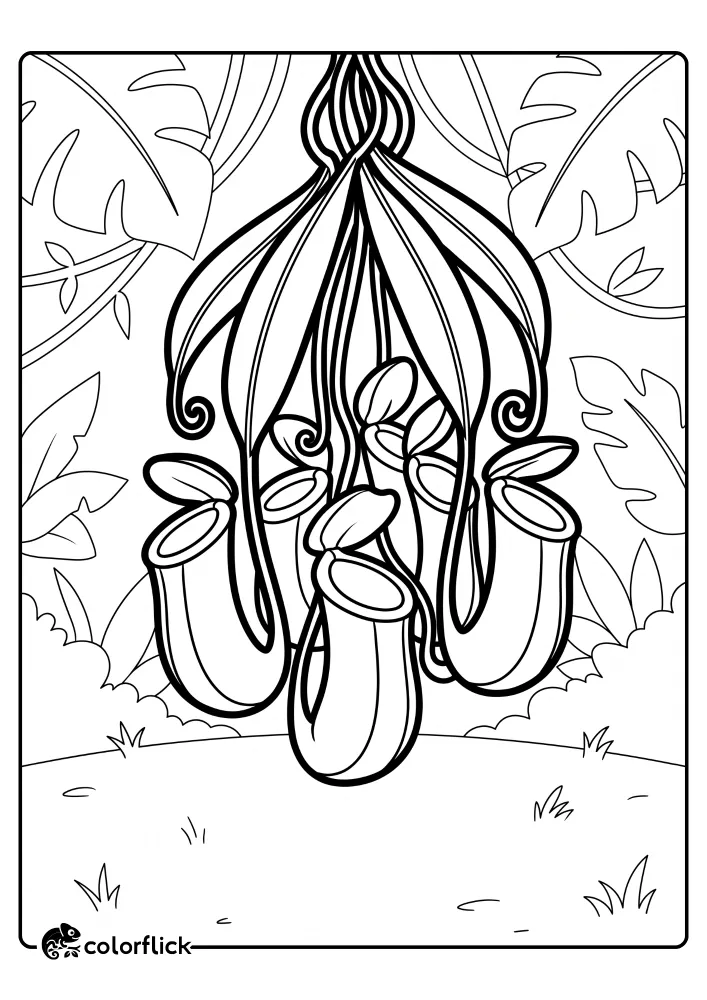
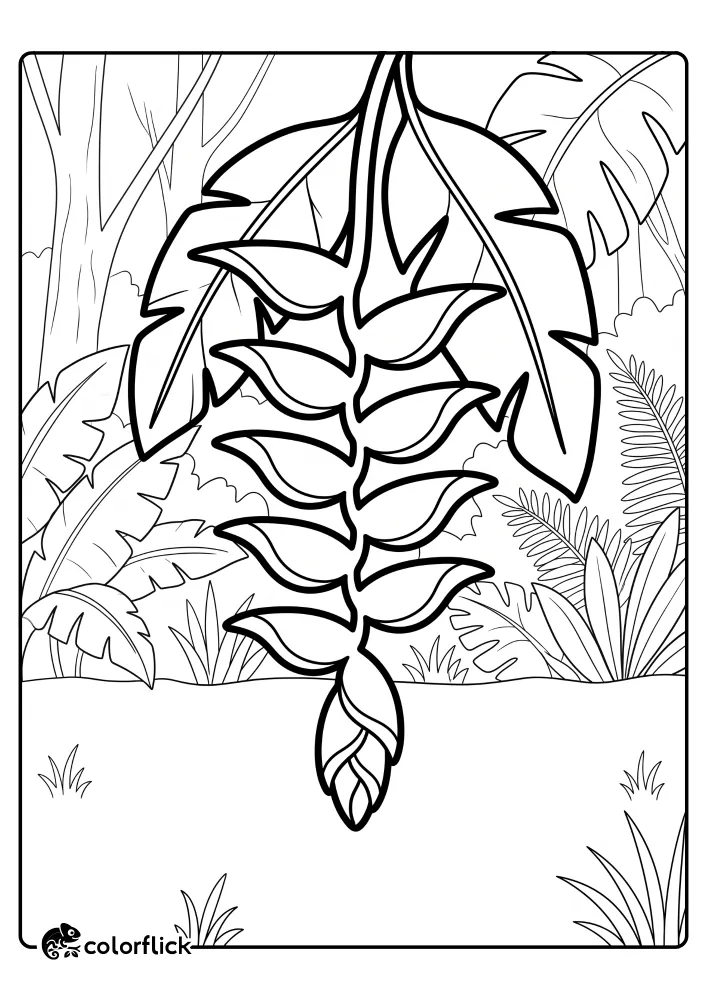
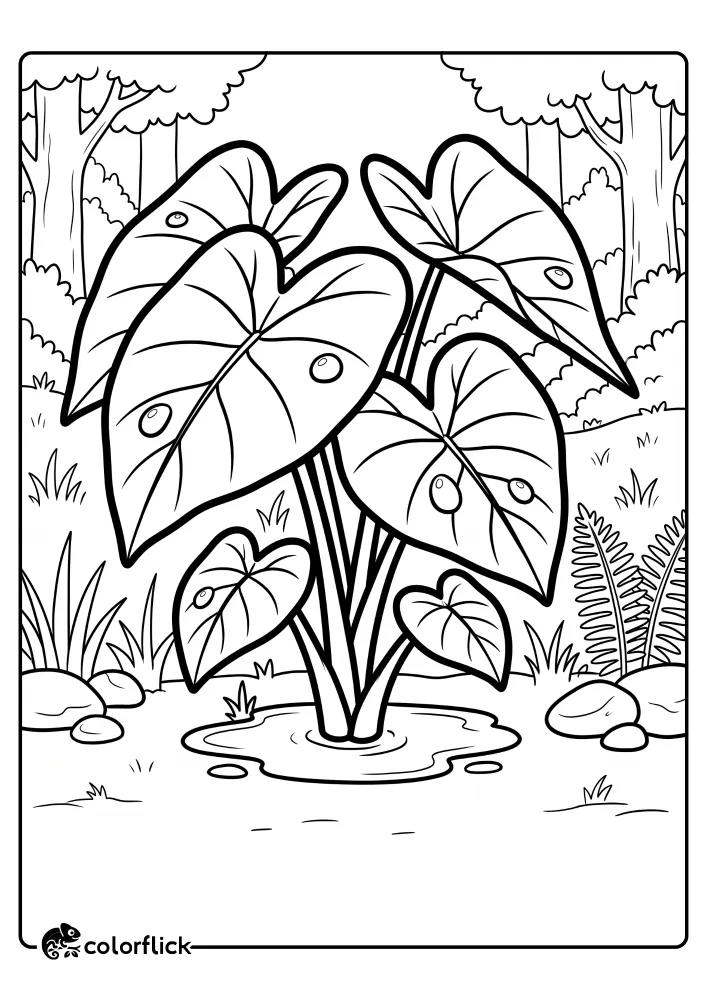
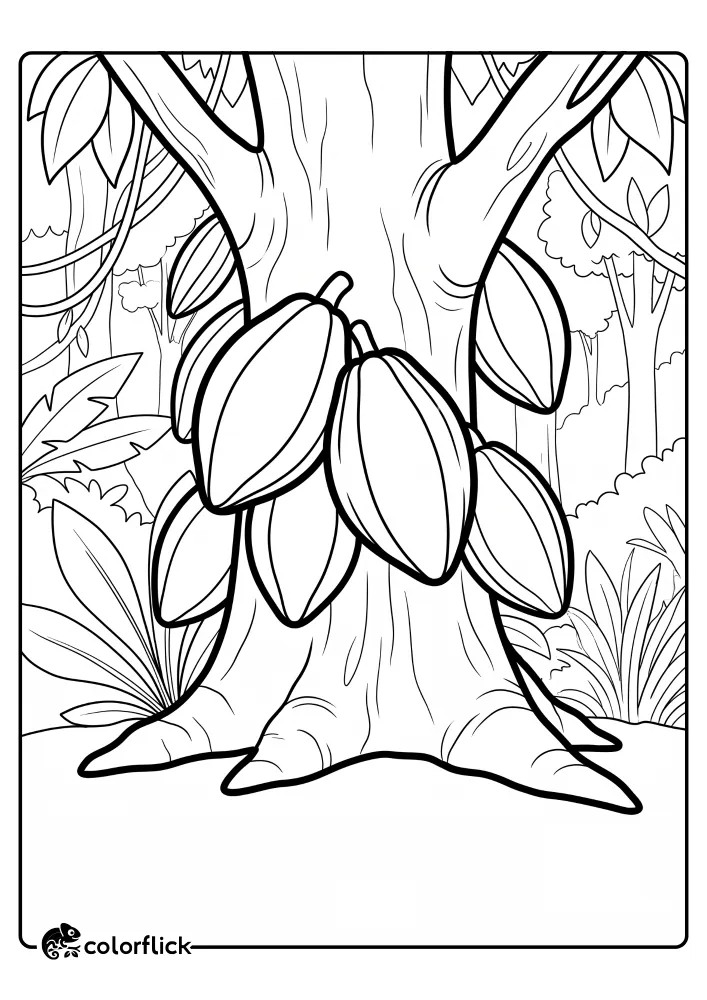
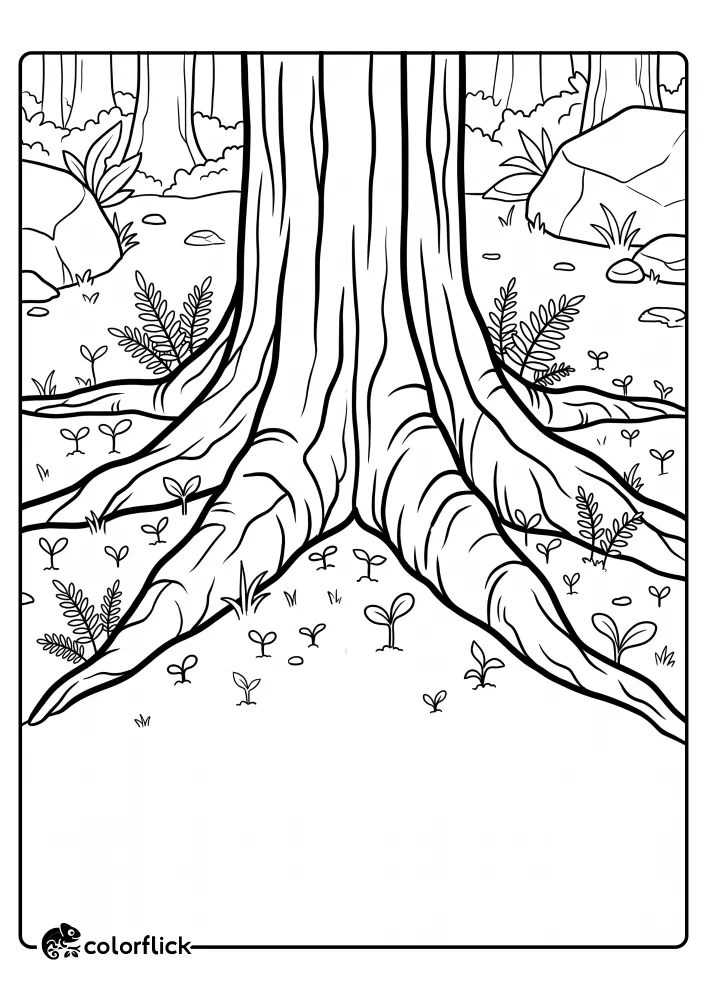
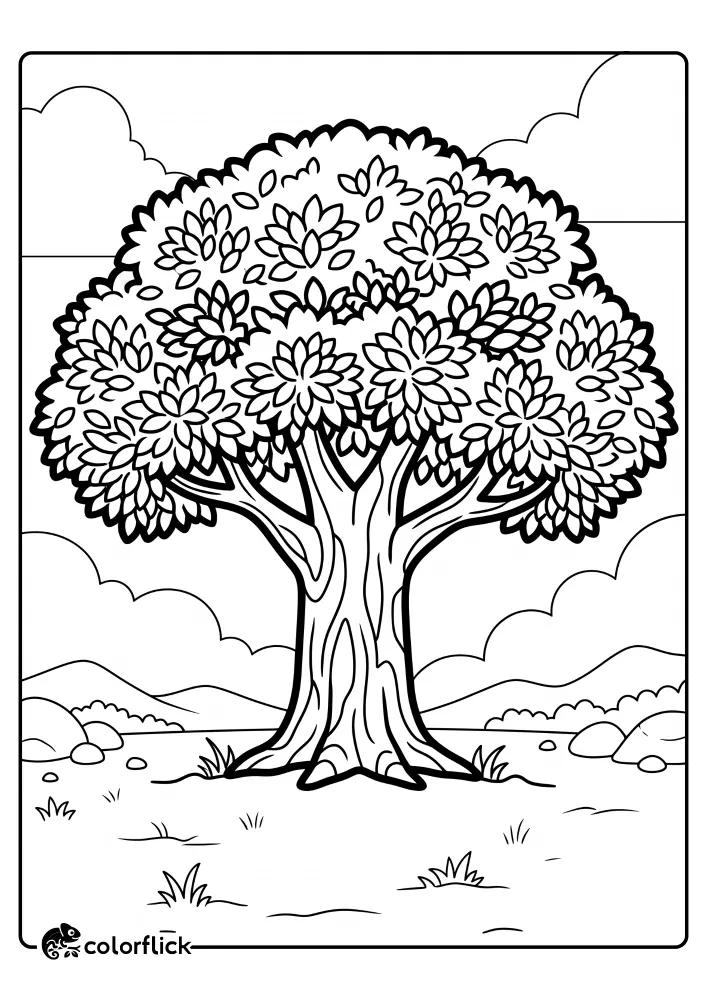
The Canopy: Where the Rainforest Touches the Sky
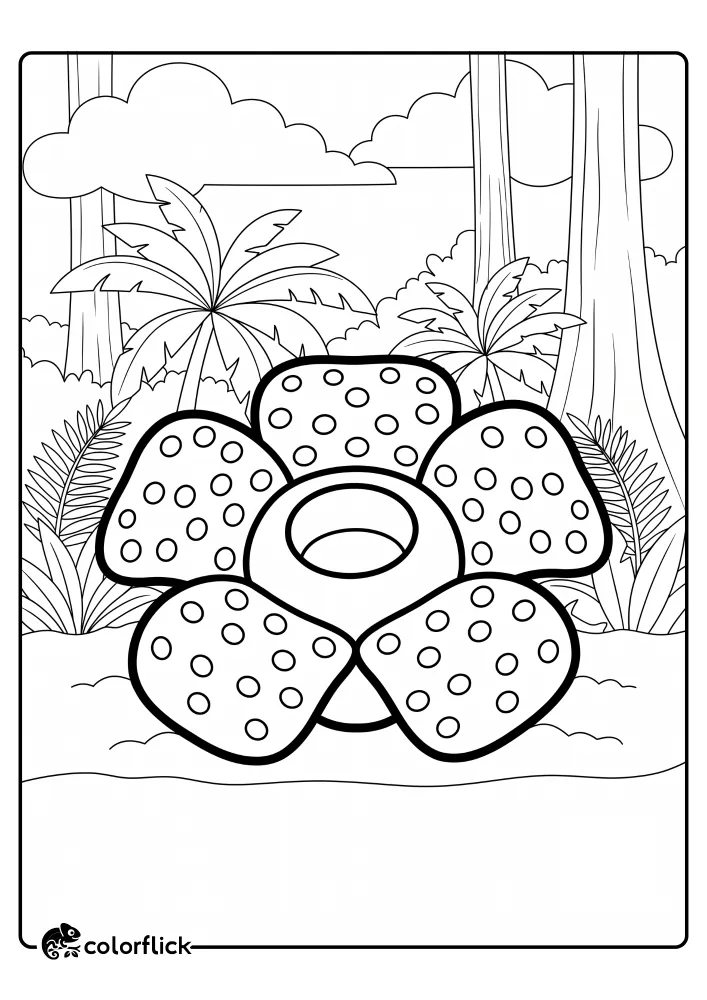
Tall. Taller. Then taller still. The canopy is the rainforest’s rooftop, a dense ceiling of tree crowns that grabs most of the sunlight before it ever reaches the ground. Underneath, everything else adapts to what’s left over.
This layer shelters an enormous share of rainforest life. Coloring overlapping crowns and towering trunks gives children a natural lesson in layered composition, scale, and depth, since the canopy acts as a clear “top layer” cue in any rainforest scene they draw or color.
Vines, Ferns, and the Shadowy Understory
Below the canopy, light gets scarce. Filtered. Dim. Cool.
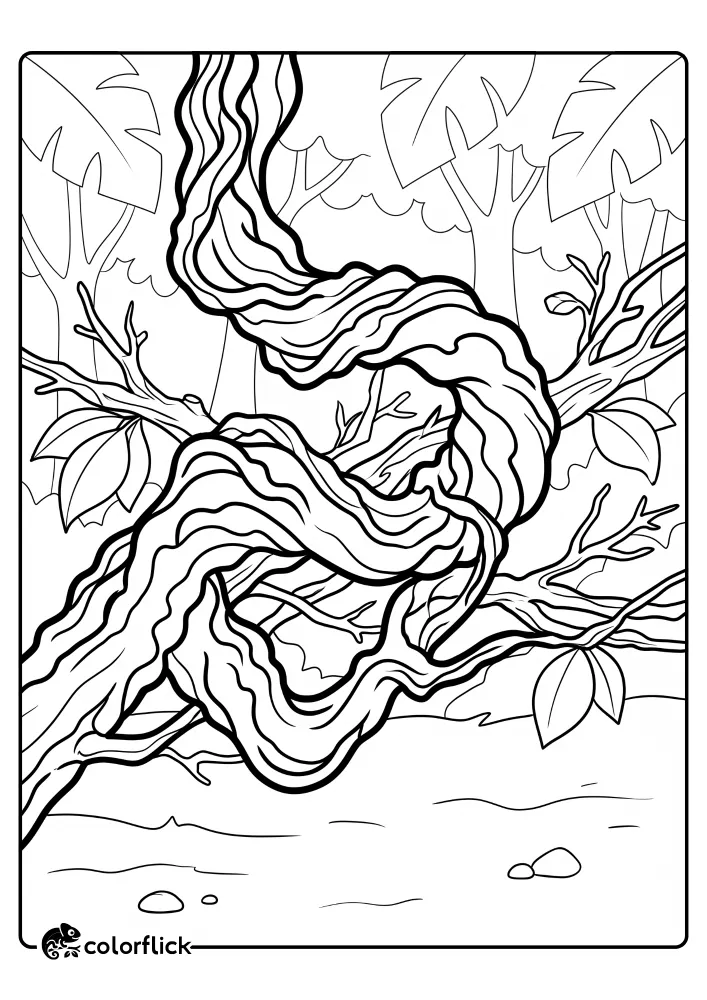
The understory survives on whatever sunlight slips through the gaps above, and its plants show it. Vines climb. Ferns unfurl their fronds. Smaller trees and palms lean toward any stray beam of light they can find. It’s a shade-loving, humidity-soaked world.
Coloring curled fronds and tangled vines builds pattern recognition and steady line control. Because this layer looks visually busy, it also helps kids practice sorting foreground shapes from background ones, a small but real design skill.
Vocabulary moment: shade, frond, vine. The understory even feels different, damp, soft, faintly waxy on the leaves, an easy sensory detail to bring up while coloring.
Orchids and Bromeliads: Plants That Don’t Need Soil
Here’s a fact that surprises most kids: some plants never touch the ground.
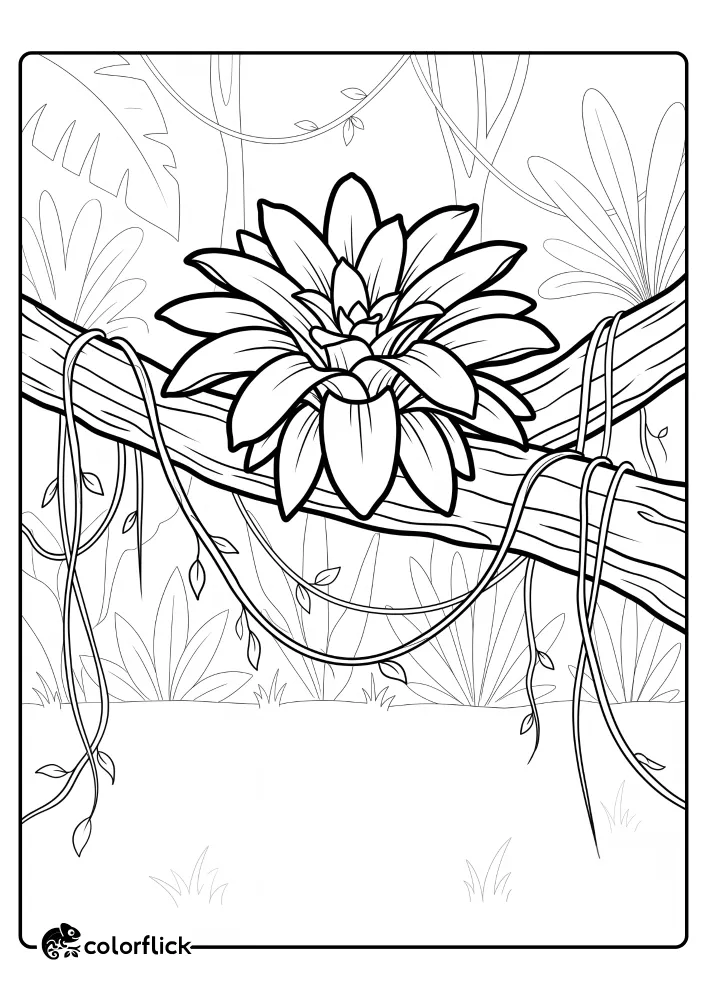
Epiphytes grow directly on other plants, usually up in the canopy, without stealing nutrients from their host. Orchids and bromeliads are the rainforest’s most famous examples, and some bromeliads even cup rainwater in their leaves like a tiny natural bowl.
Their shapes make them perfect coloring subjects. Petals, rosettes, layered leaf cups, all built for detail work. Orchids form one of the largest plant families on Earth, and bromeliads have been prized ornamentally across many cultures for their bold, unusual color. Coloring them teaches a bigger idea too: not every plant roots in soil.
Myth vs. Fact: What Rainforest Plants Really Look Like
Myth: rainforest plants are just giant trees.
Fact: the rainforest is a stack of communities. Shade-loving ferns, climbing vines, canopy-dwelling epiphytes, and quiet ground-level leaf litter all belong just as much as the tallest tree does.
This is a great one to say out loud while coloring. It reframes the whole page, turning “a jungle picture” into “a layered ecosystem,” which is exactly the kind of shift that sticks with young learners.
Getting the Most Out of Coloring Time
What ages do these pages suit? Simple canopy outlines work well for younger children. Detailed orchids, tangled vines, and full layered scenes suit older kids who want more of a challenge.
What should we talk about while coloring? Sunlight, moisture, and adaptation. Ask why the understory plants look different from canopy trees, or why an orchid would choose to grow on a branch instead of the ground. Small questions, big thinking.
Conclusion
Rainforest plants aren’t just green shapes on a page. They’re a working system, layered, shaded, and endlessly adapting. Every coloring session becomes a small trip through that system, one crayon stroke at a time.
Ready to explore all three layers? Head back to our full, free Rainforest Plants coloring collection and let the adventure continue.