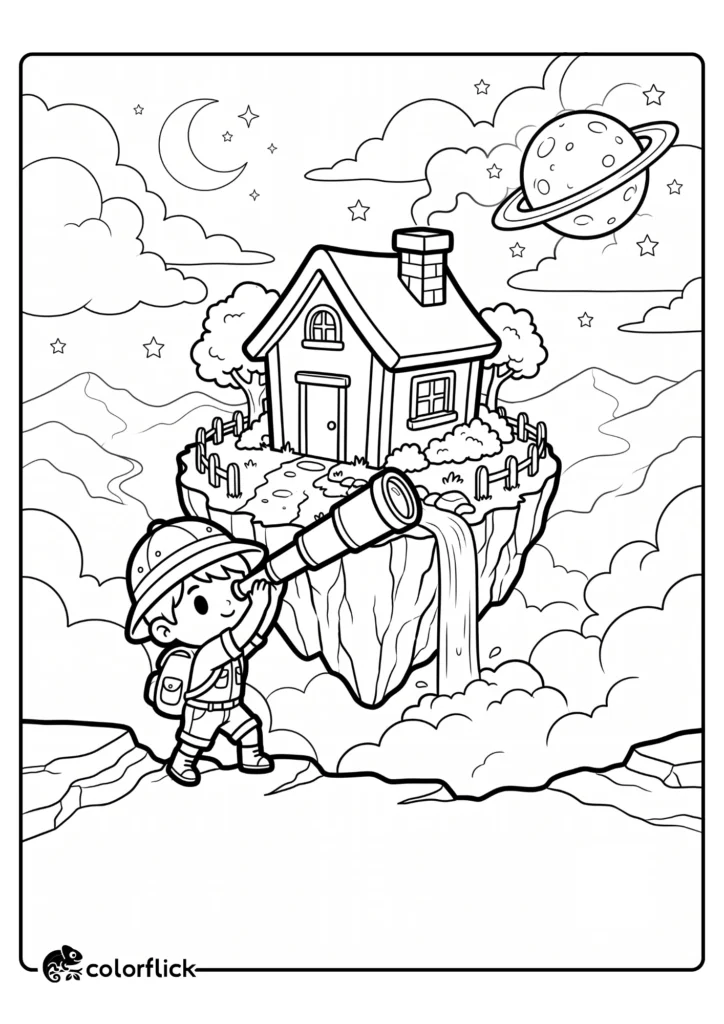
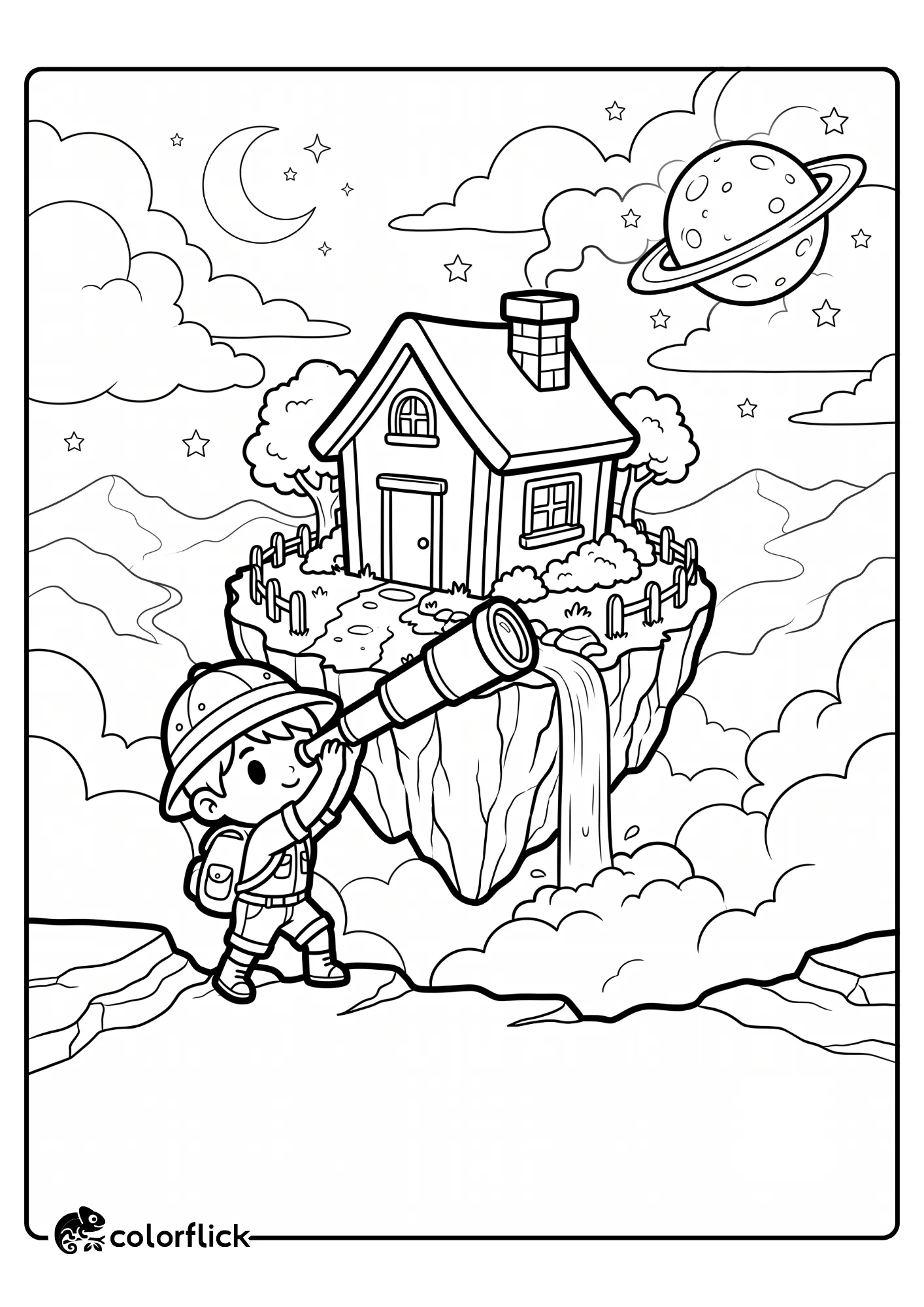
Kids don’t need a real island to build real skills. A page. A crayon. That’s enough.
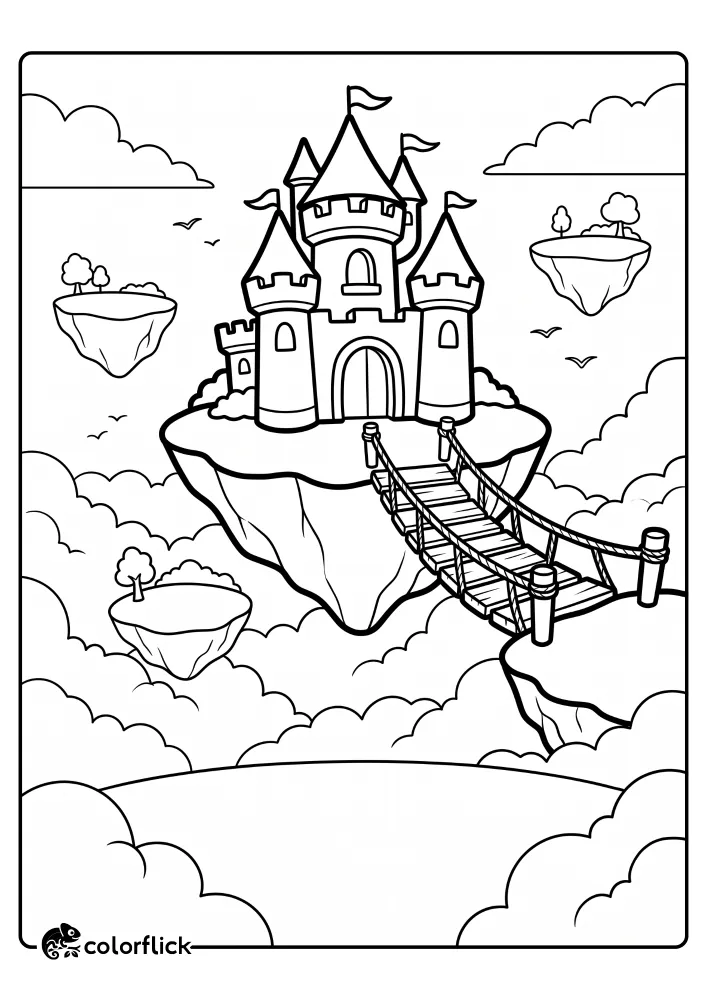
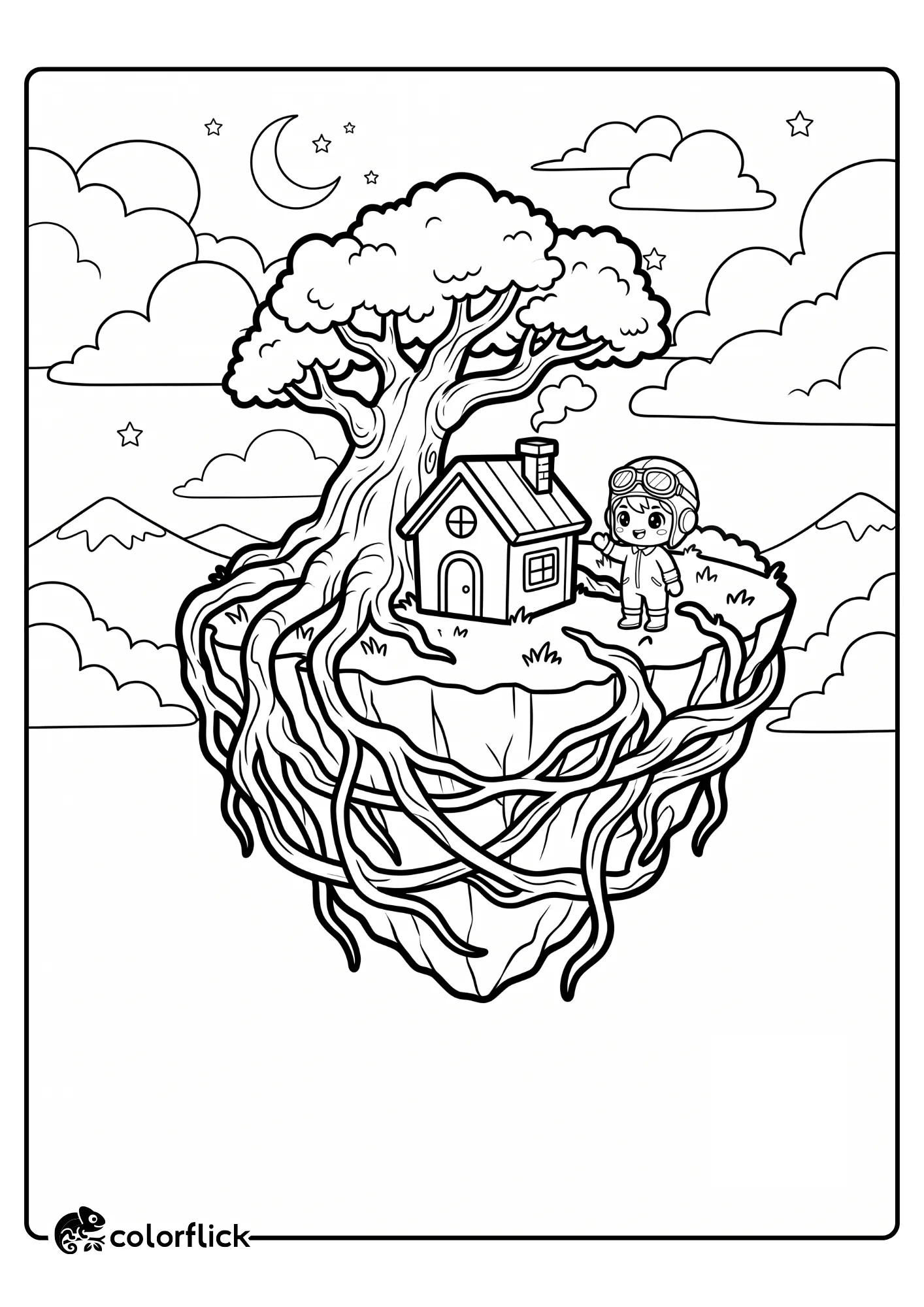
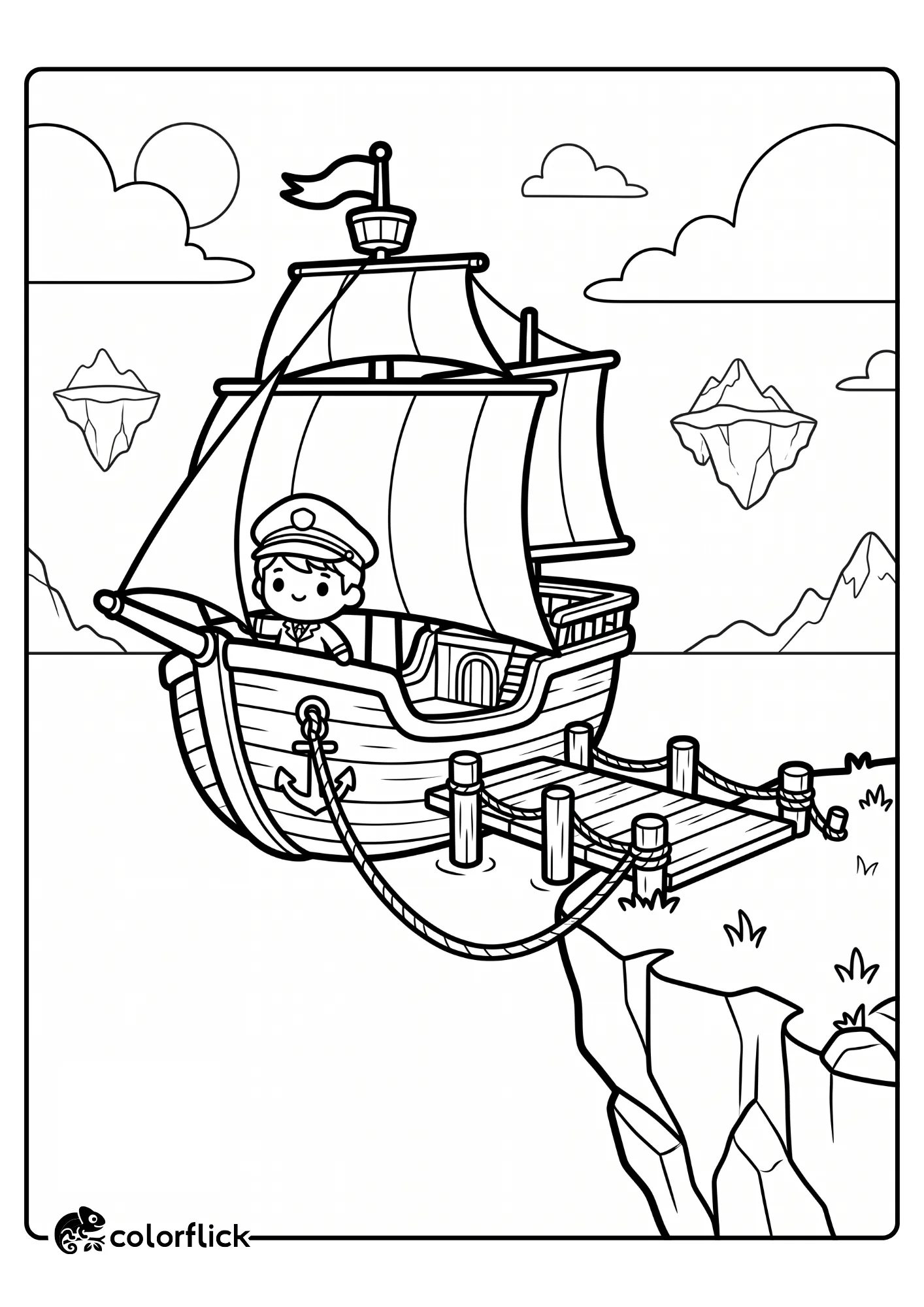
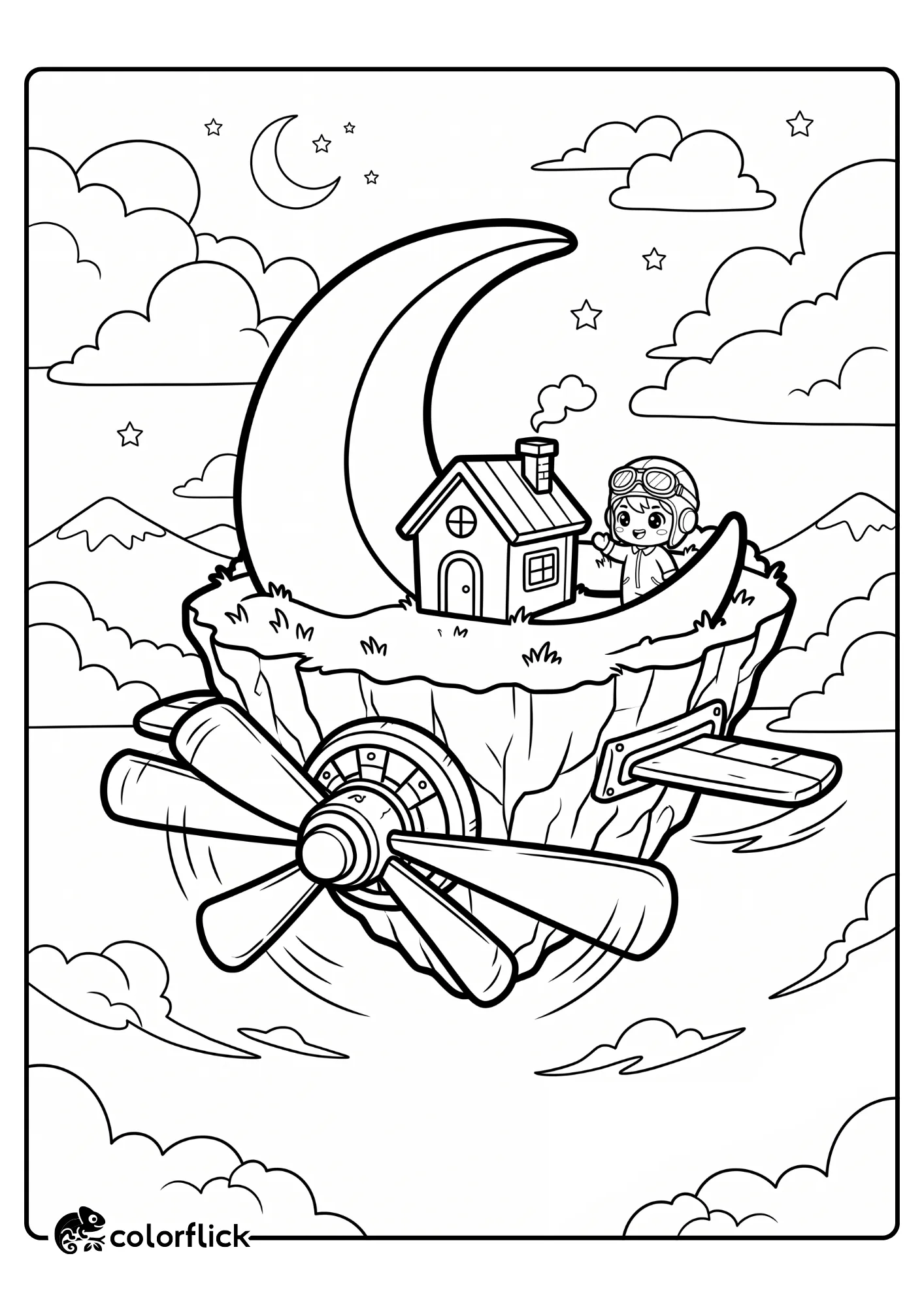
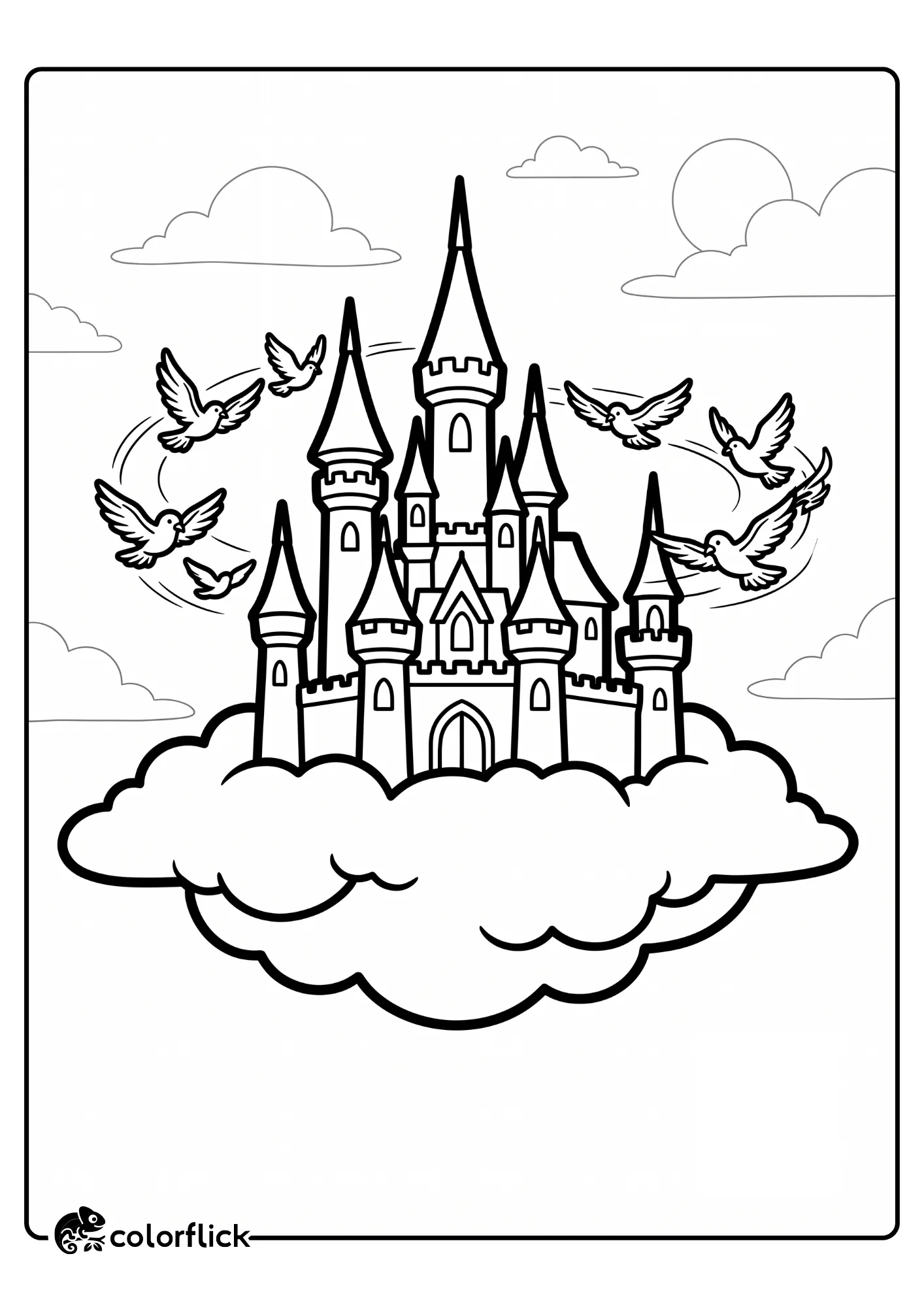
Floating island coloring pages hand children clouds, water, tiny homes, and hidden creatures — all in one scene. They’re not just pretty. They build focus. They spark science questions. They turn quiet time into a small adventure.
The journey doesn’t have to end in the clouds, either. If your little artist loves these high-flying worlds, they will find an entire world of wonder in our Fantasy Landscape Coloring Pages: A Magical Escape for Growing Minds. It is the perfect next step to keep their imagination stretching beyond the horizon.
Explore the Full Floating Island Coloring Collection
We’ve gathered a whole sky’s worth of scenes. Clouds, castles, birds, bridges — it’s all here, free and ready to print.
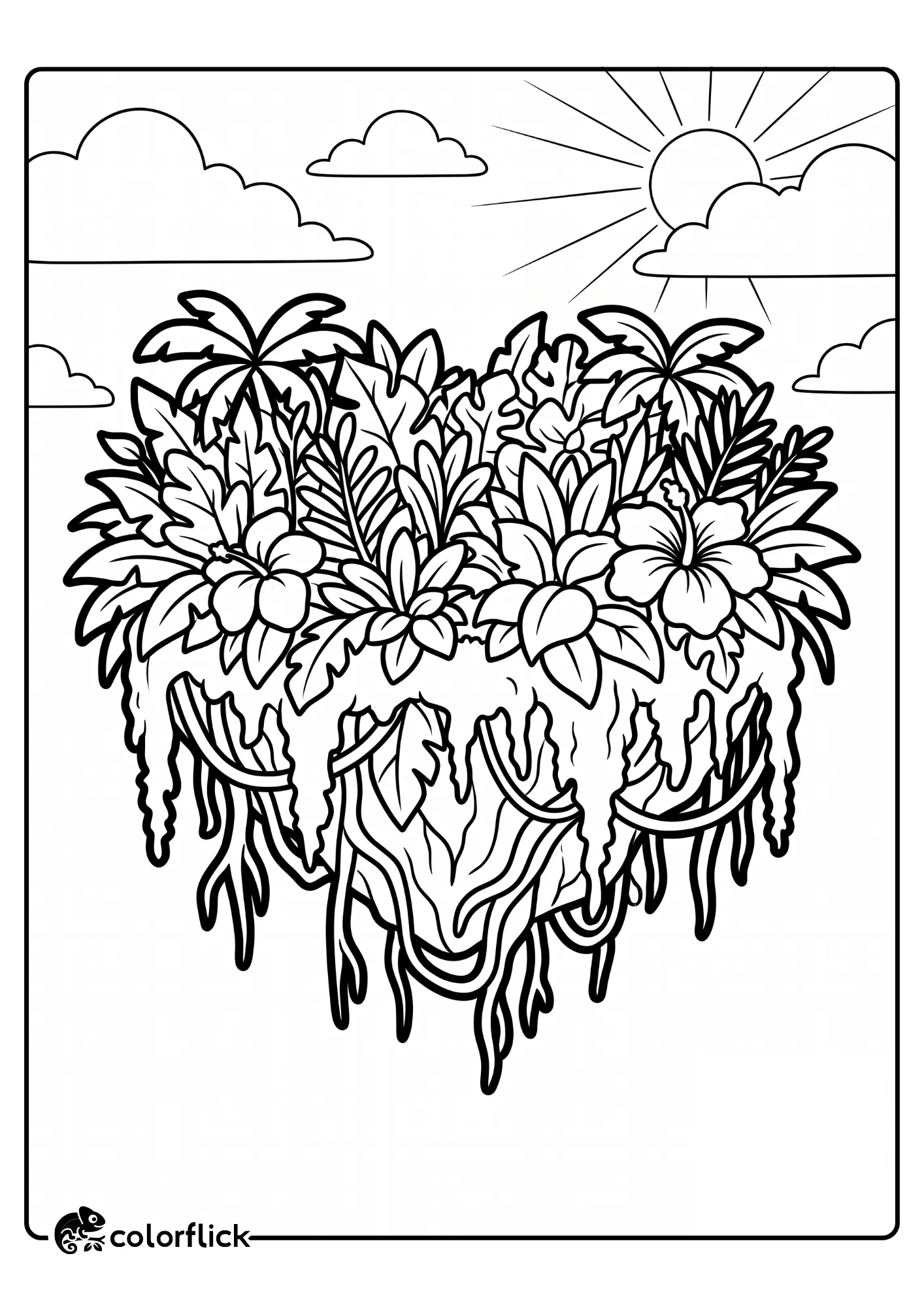
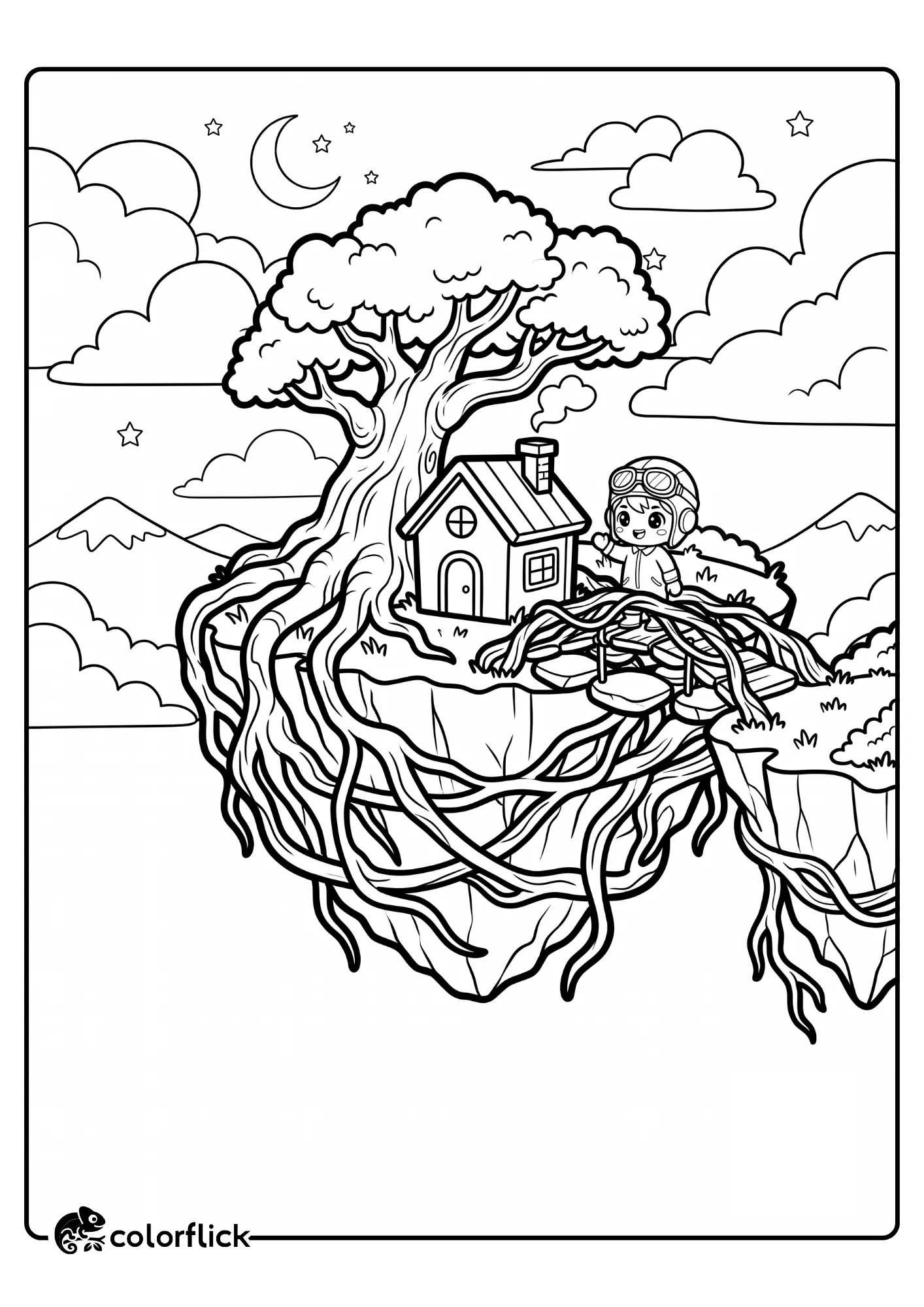
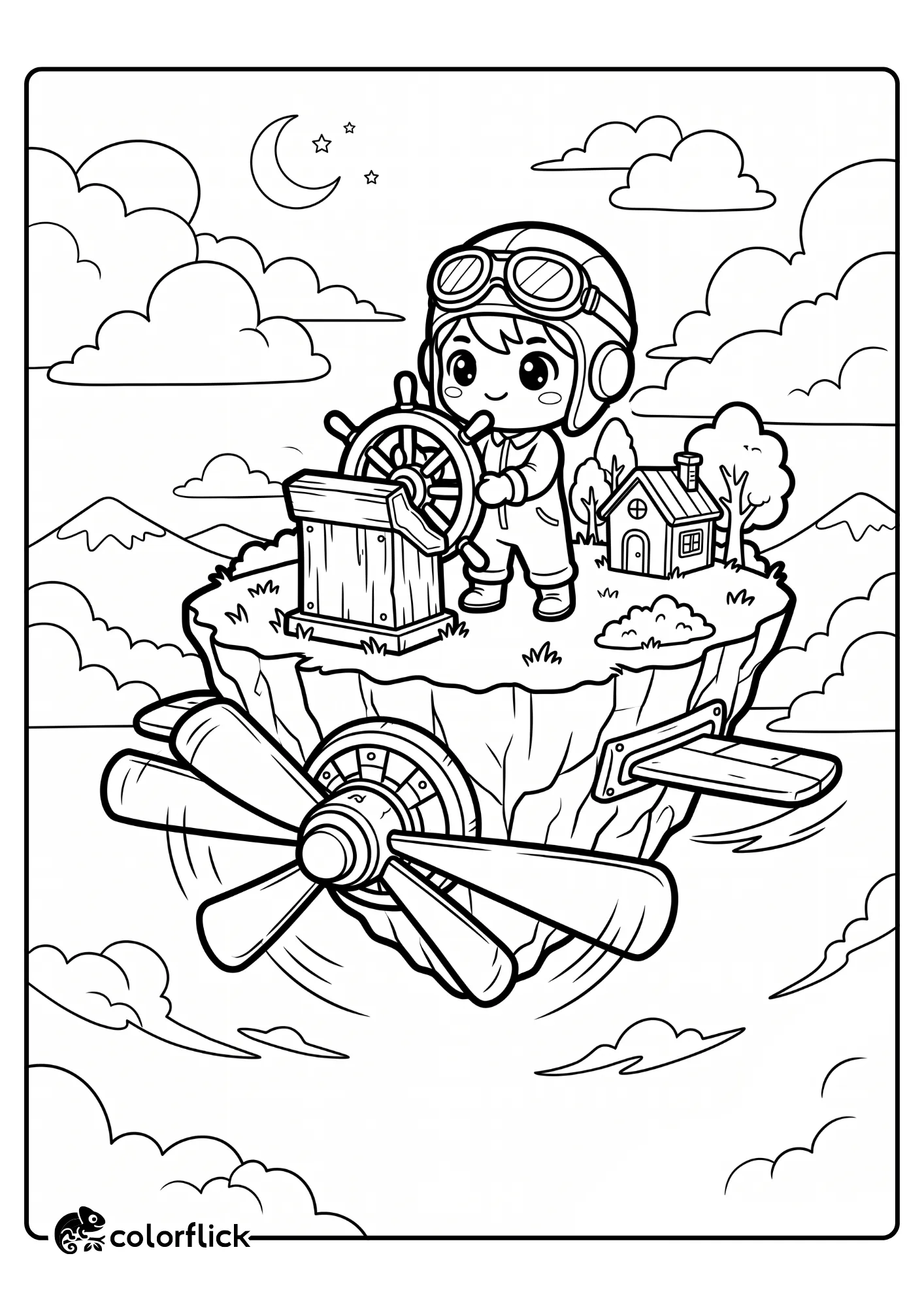
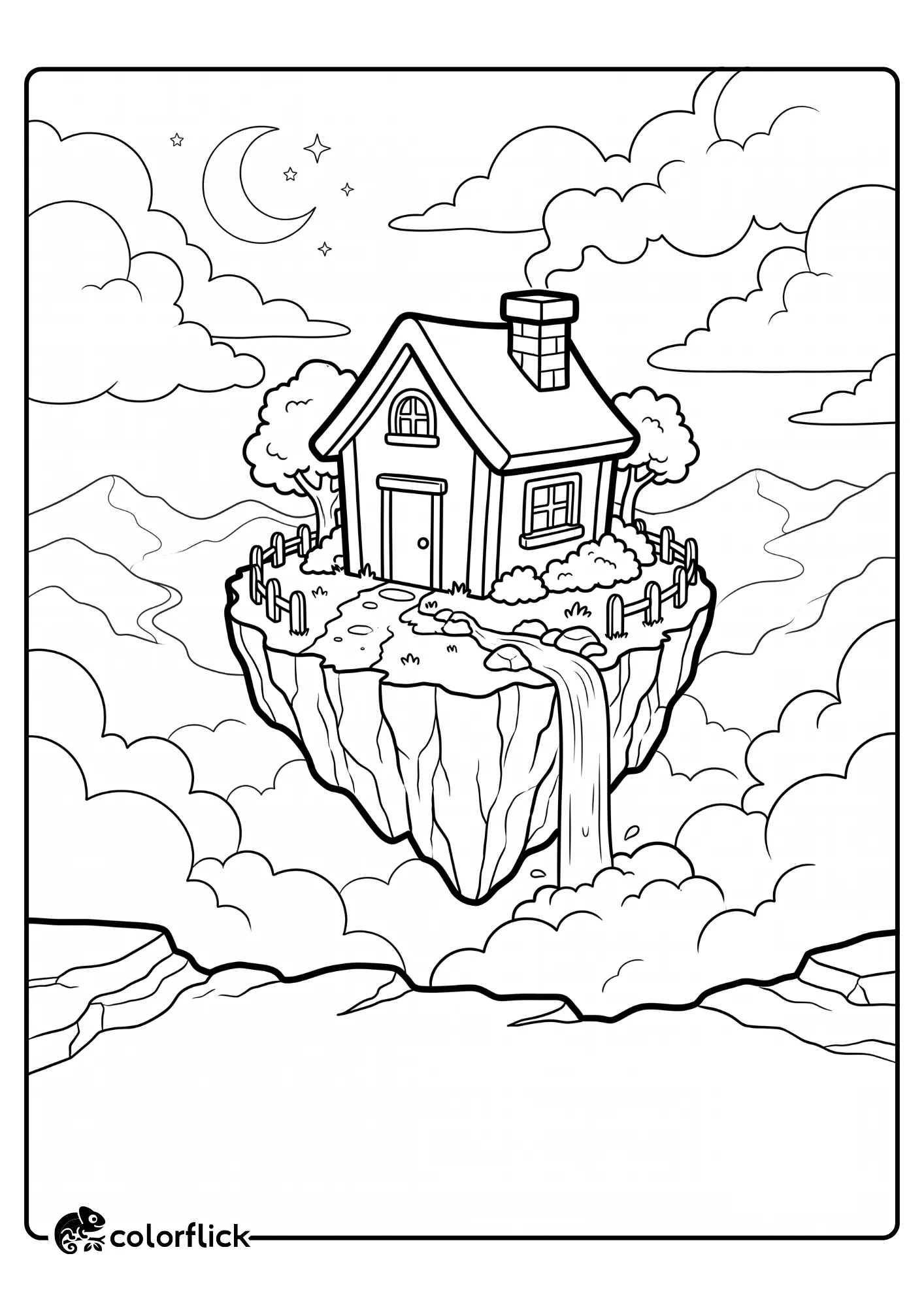
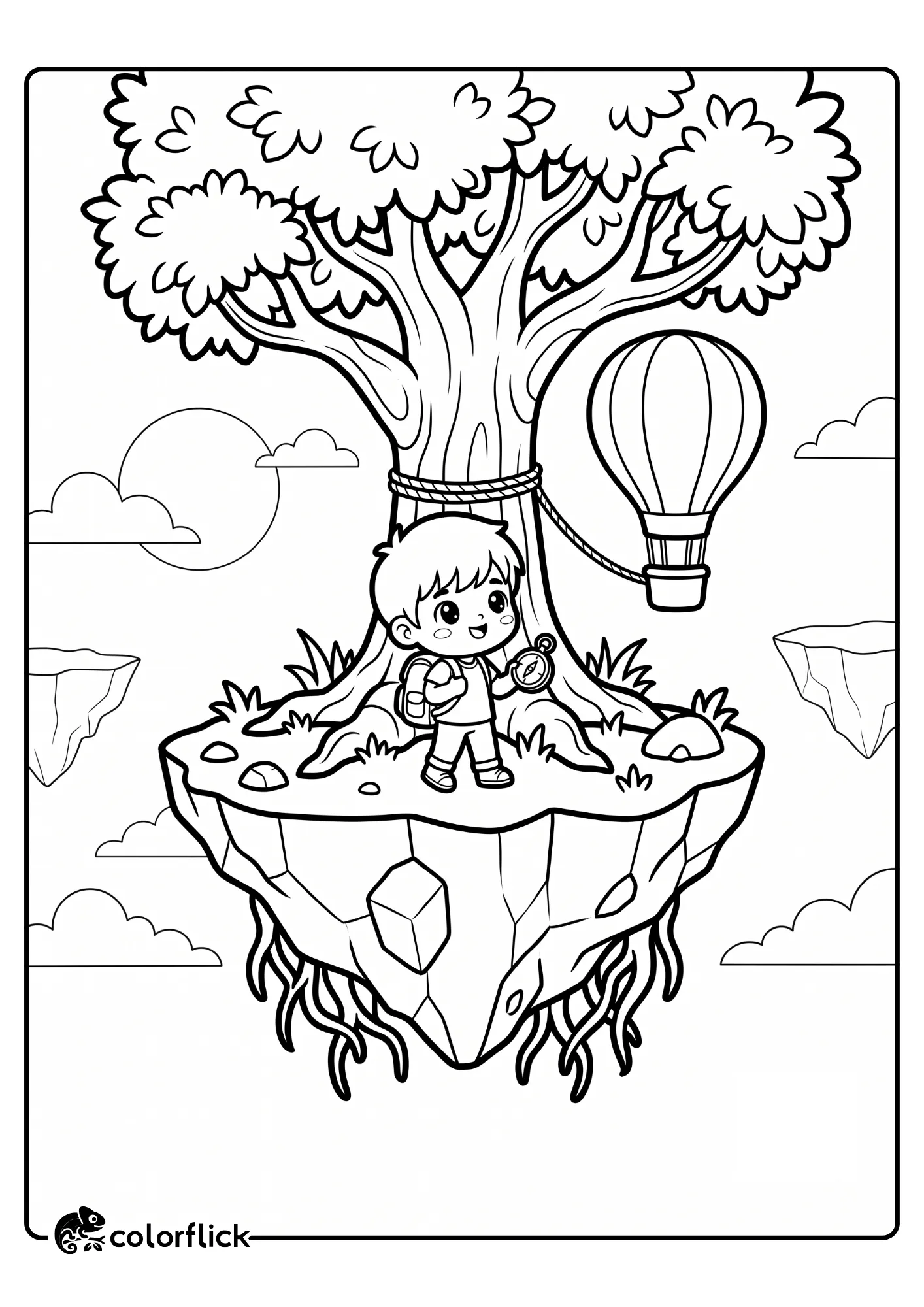
Sky Islands: A World That Floats Between Fantasy and Fact
Floating islands aren’t one single thing. Some are natural mats of vegetation drifting on water. Some are built by hand. Others exist only in stories, dreamed up as sky kingdoms. That mix is what makes this theme so rich for young colorers — they’re working with something that’s part real, part imagined. Coloring the open sky and island shapes also builds a sense of composition, teaching kids where to place big ideas on a small page.
Clouds and Sky: Soft Shapes, Big Skills
Here’s the thing about clouds — they’re never the same twice. That’s exactly why they’re great for little hands. Filling in fluffy, drifting shapes teaches spacing and shape variation without any pressure to stay inside rigid lines. The sky background also quietly teaches depth: what’s near, what’s far, what sits behind what. Simple words like fluffy, drift, and horizon slip naturally into conversation while coloring.
Water Below: Where Islands Rest
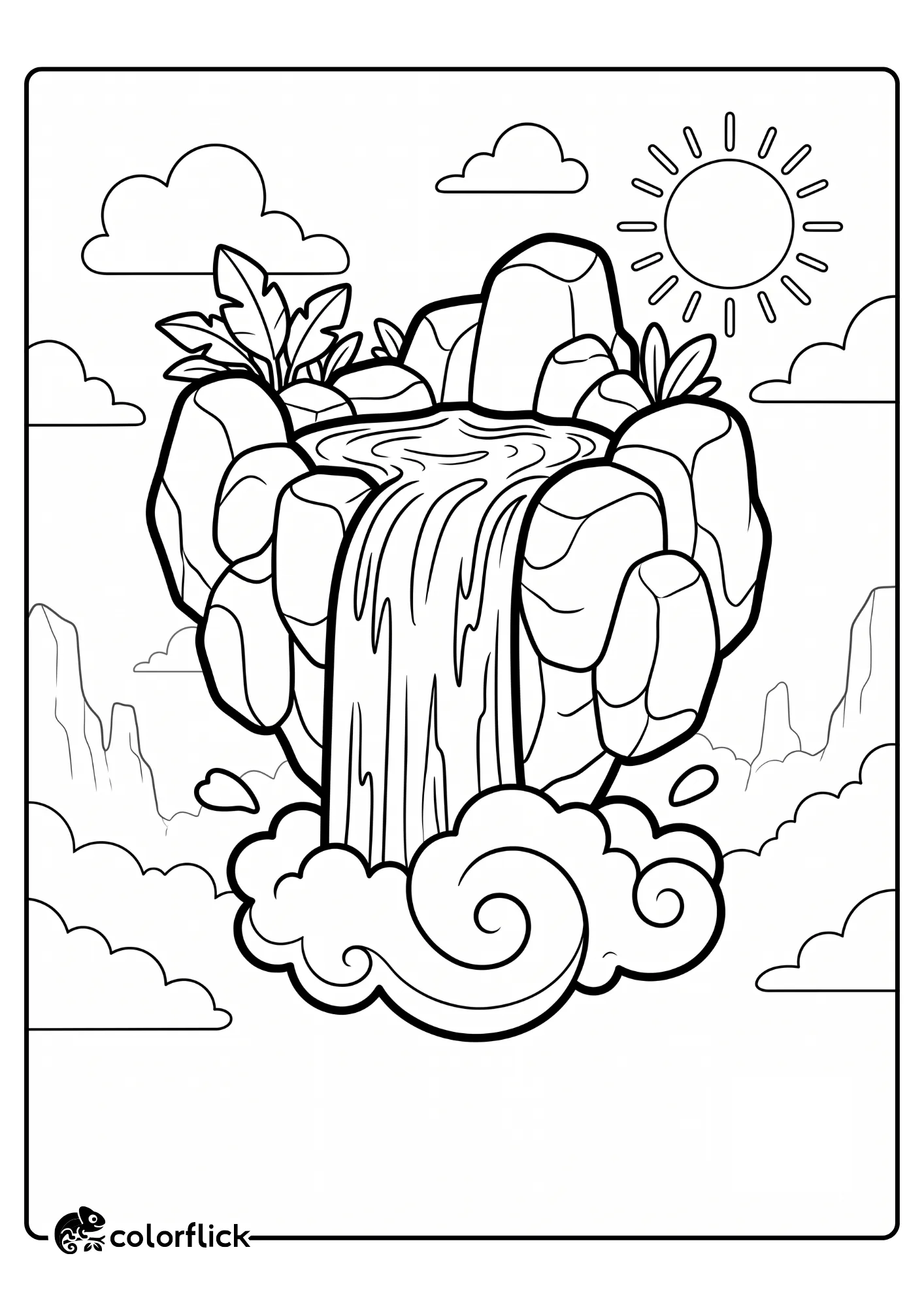
A child leans over the page, crayon paused above the water line. Should it be blue? Green? Does it ripple? This is where floatation becomes a real idea, not just a picture. Water beneath an island might be a lake, a wetland, or open ocean, often mirroring the scene above it. Coloring these areas teaches layering and gentle motion. It also plants an early seed of physics — the idea that some things are simply built to stay up.
Plants and Trees: Islands That Live and Grow
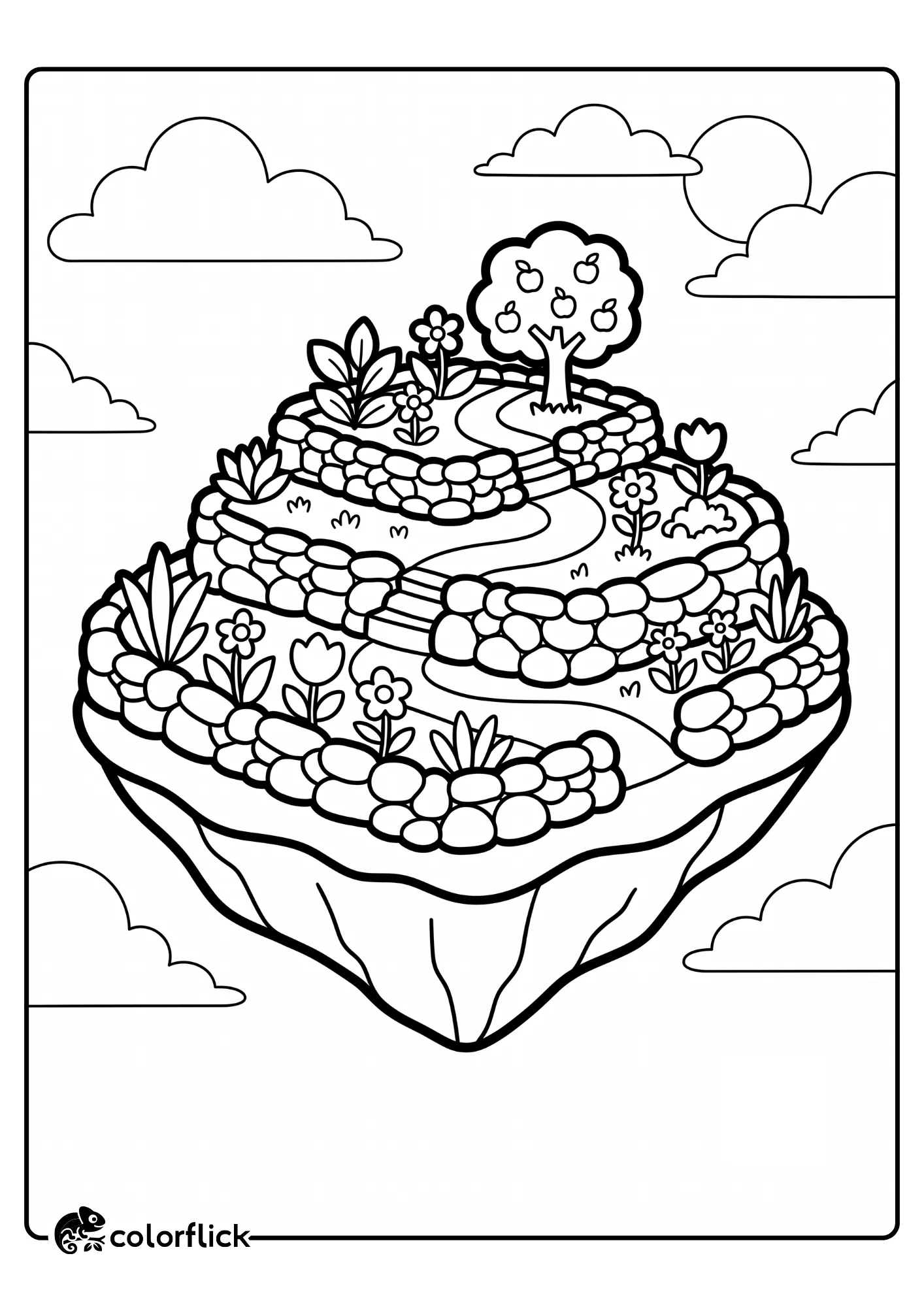
Grasses. Reeds. Small shrubs, maybe even a tree. On a floating island, plants aren’t just decoration — in real floating wetlands, roots hold the whole mat together and shelter wildlife underneath. For kids, filling in leaves and stems builds patience and pattern recognition. It also teaches something bigger: an island isn’t blank land. It’s alive. Words like reed, root, and sprout fit naturally here, alongside a nod to the Uros people of Lake Titicaca, who built real floating reed homes.
Fantasy Homes: Towers, Bridges, and Tiny Lives
This is where imaginations run loudest. A castle tower. A rope bridge. A tiny house tucked into the hillside. Kids naturally start asking who lives there and why. That storytelling instinct is worth protecting — it strengthens narrative thinking and attention to detail. Interestingly, real floating villages exist too. Lake Titicaca’s reed islands were originally built for protection, tied together so families could manage them safely.
Magic Details: Stars, Lanterns, and Quiet Wonder
Tiny stars. A glowing lantern. A soft, warm light tucked into a dark corner of the sky. None of this reflects anything scientific — and that’s fine. These small touches exist purely to make a scene feel enchanted, separate from ordinary land. For children, spotting and coloring these tiny accents sharpens attention to detail and encourages bold color choices against dark space. It feels a little like coloring inside a bedtime dream.
Floating Science: Why Islands Don’t Sink
Here’s a fact kids love: objects float when they’re lighter than the water they push aside. That’s buoyancy, first explained by Archimedes centuries ago. Natural floating islands stay up because of trapped air, roots, and decaying plant matter — all lighter than solid ground. Even pumice, a volcanic rock, can float because it’s full of tiny air pockets. A coloring page becomes a doorway into real physics, no textbook required.
Island Wildlife: Birds, Fish, and Hidden Life
Somewhere on the page, a bird waits to be found. Maybe a fish, just below the water line. Floating islands, in real ecosystems, often shelter birds, insects, and aquatic creatures, boosting biodiversity in the process. For kids, spotting and coloring these animals turns a picture into a search-and-discover moment. It builds observation skills and a bit of empathy toward living things, tucked quietly into ordinary imagination time.
Myths and Stories: Where Floating Islands Come From
Cultures across the world have told stories about floating islands — hidden kingdoms, sacred places, lands no one can quite reach. That mix of mystery and distance is exactly why they still show up in adventure stories and illustrations today. For children, myth-inspired scenes are an invitation to invent freely: their own kingdom, their own characters, their own reasons the island floats at all.
Myth vs. Fact: Are Floating Islands Real?
A lot of people assume floating islands only exist in storybooks. Not quite true. Some are entirely natural, built from tangled roots and trapped air. Others, like the reed islands of Lake Titicaca, are handmade and lived on today. And plenty more exist purely in imagination, dreamed up as sky kingdoms. The theme works because it sits right on that line between fact and fantasy — and kids find both sides fascinating.
Find It First: A Quick Game Before You Color
Before the crayons come out, try this. Ask your child to spot every tiny detail hiding on the page — a bridge, a lantern, a bird, a window, a star. Count them out loud. This turns coloring into a two-part activity: a sharp-eyed search first, a calm creative session second. It’s a small trick, but it works especially well for kids who tend to rush.
Let the Sky World Begin
Floating islands make room for both facts and dreams, often on the very same page. Whether your child is chasing clouds, counting birds, or inventing a castle full of make-believe neighbors, there’s real learning tucked into every scene. Grab your crayons, print a page, and let the sky do the rest — and don’t forget to visit the full gallery for more scenes to explore.