Kids see candy everywhere. Wrappers. Jars. Holiday bowls. Turns out, all that sugar-coated imagery is secretly good for their brains. Shape recognition. Fine motor control. Pattern practice. Coloring candy pages sneaks real learning into pure fun. No lectures required.
Grab the Full Candy Coloring Collection
We’ve put together a whole treasure chest of candy pages. Lollipops, gummy bears, candy shops, holiday sweets — all free, all ready to print.
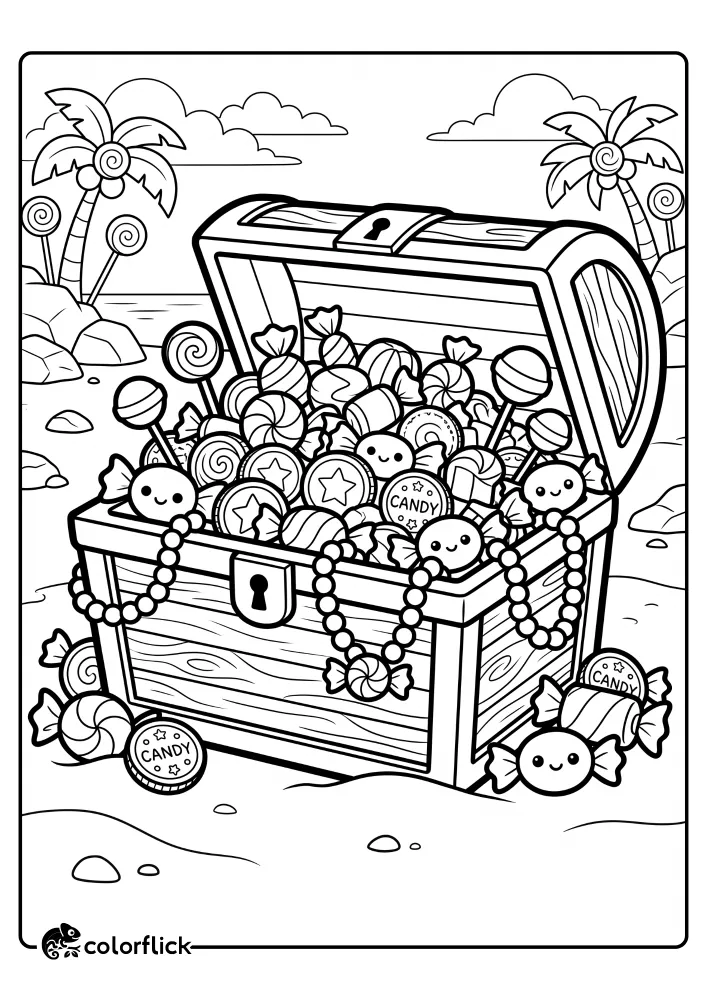
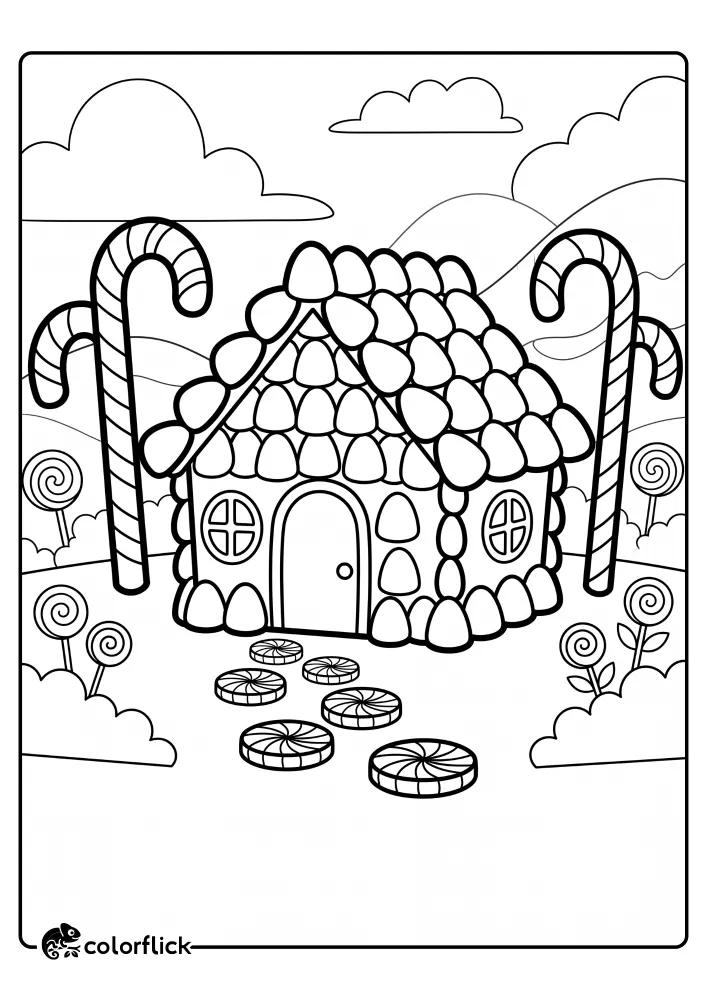
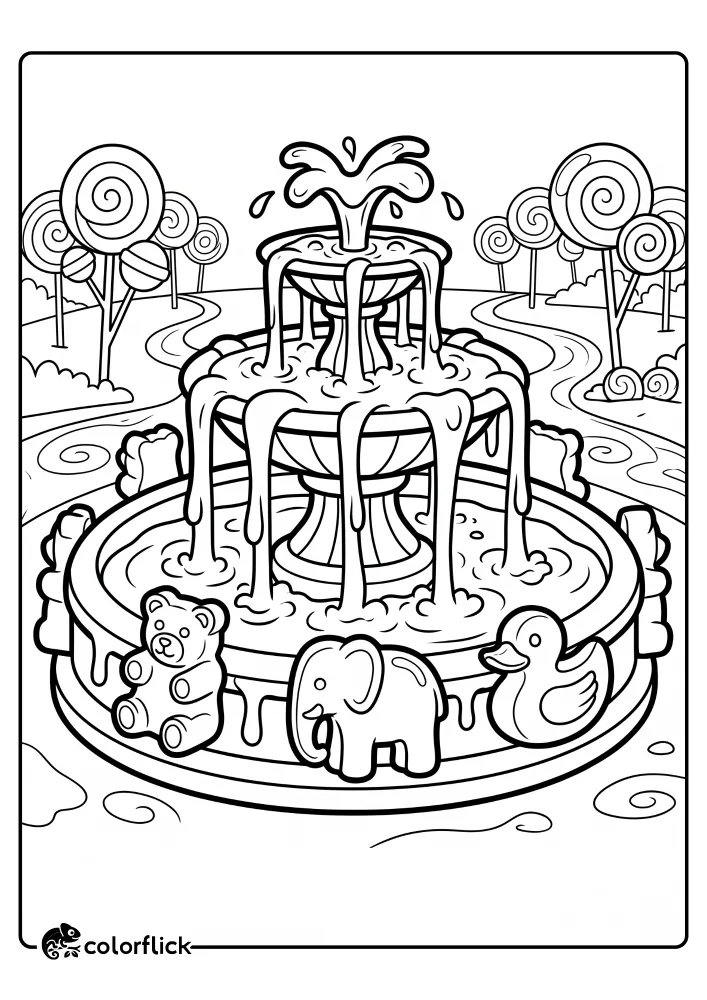
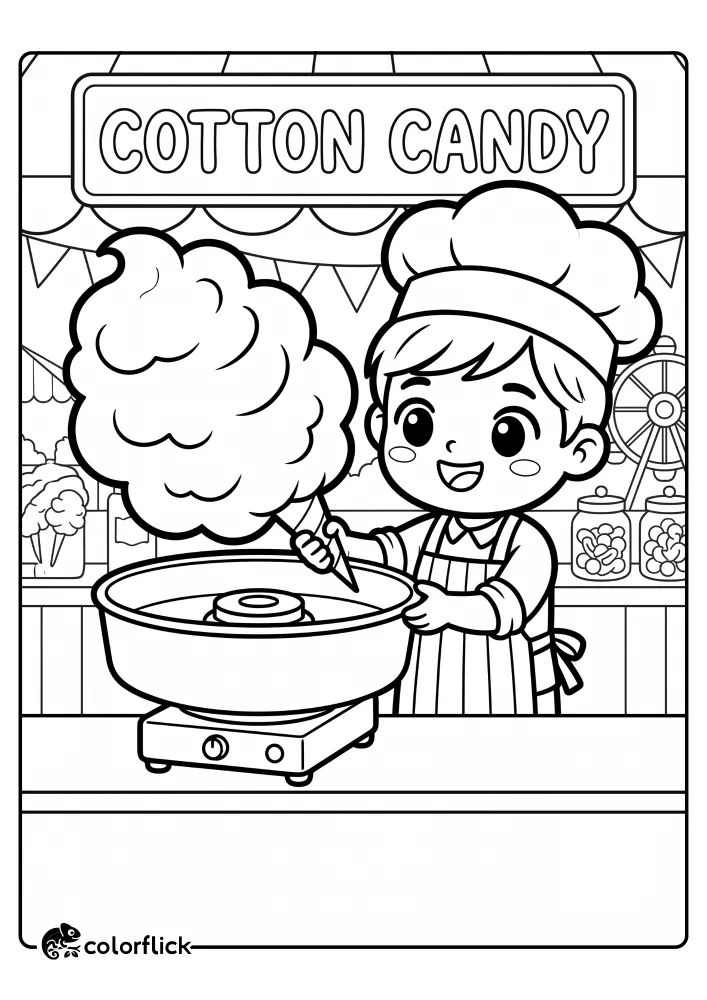
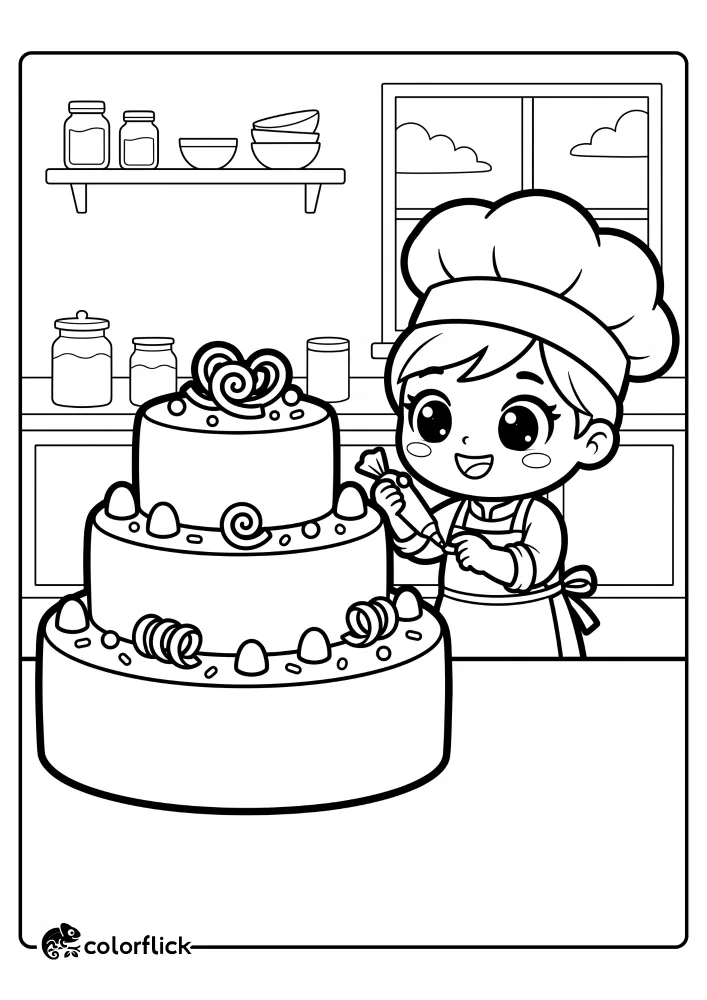
Every Candy Has a Shape Story
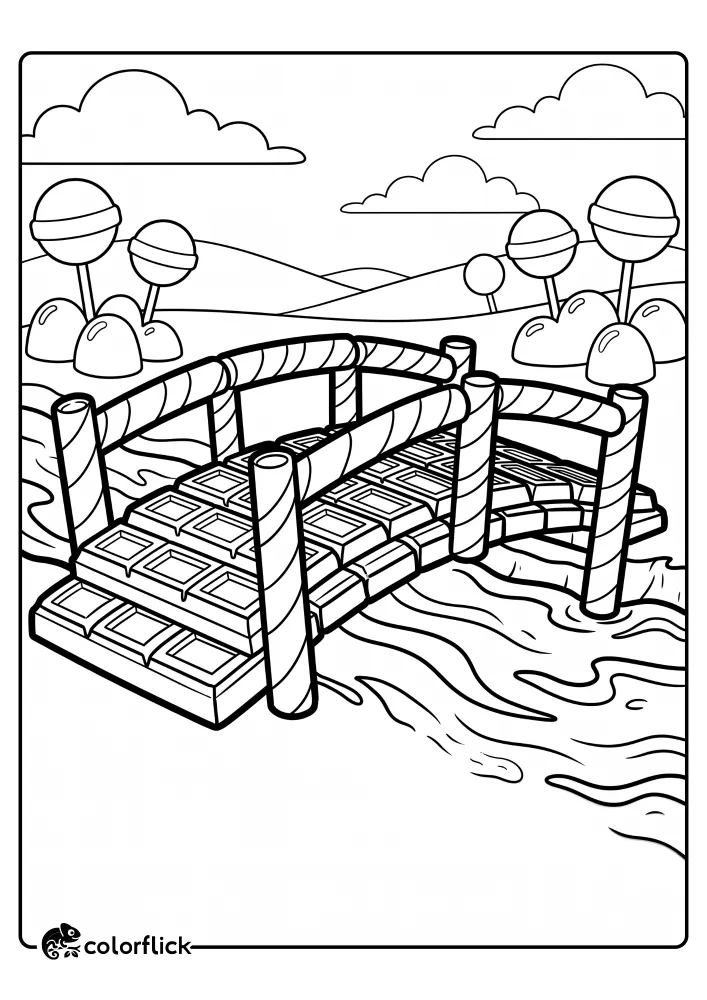
Lollipops. Chocolate bars. Gummy bears. Three candies, three totally different textures. That variety isn’t just visual — it’s a workout for little hands. Tracing a swirled lollipop outline demands different control than filling a blocky chocolate square. Fun fact: chocolate didn’t start out sweet. Ancient Central Americans drank it bitter, as a ceremonial beverage, centuries before anyone added sugar. Kids learn the vocabulary too — “gummy,” “wrapper” — while their fingers do the real work.
Peppermint Stripes and Holiday Magic
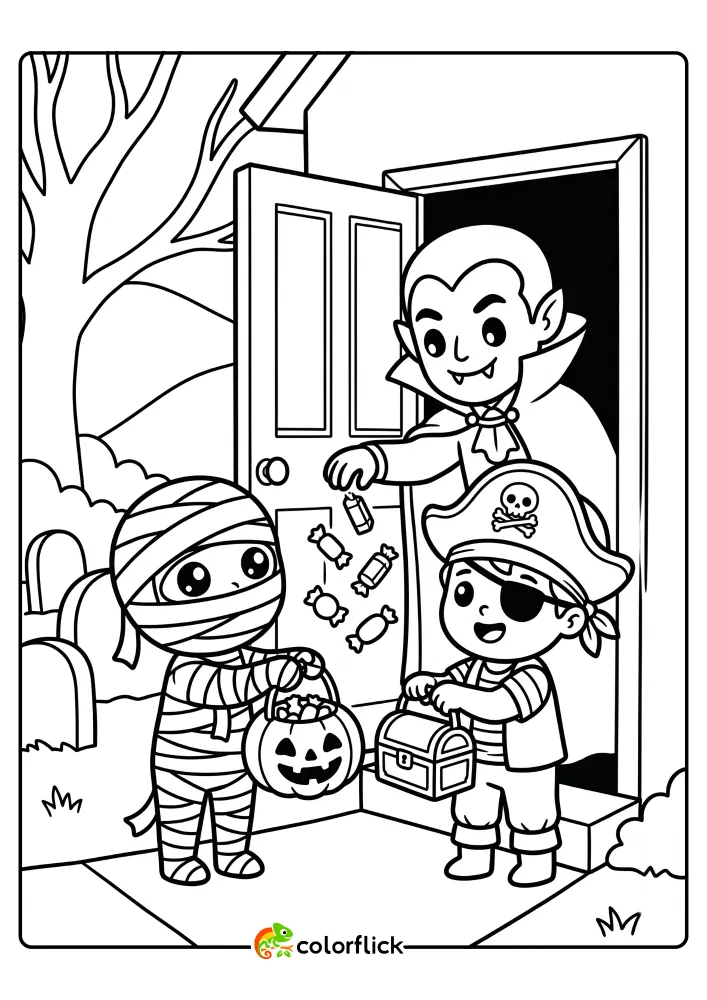
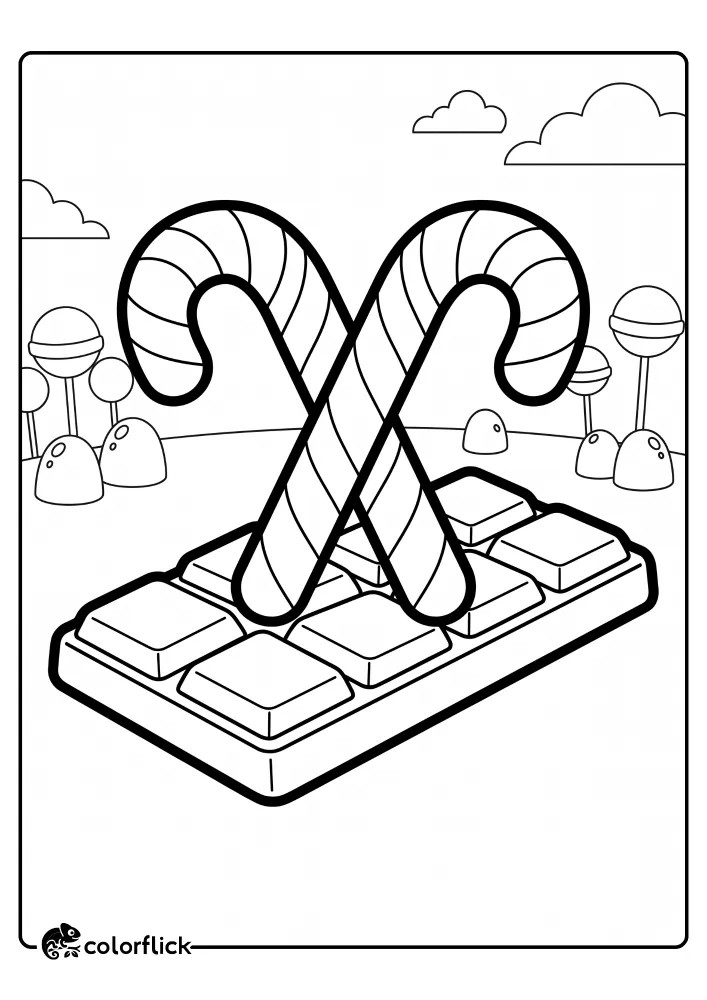
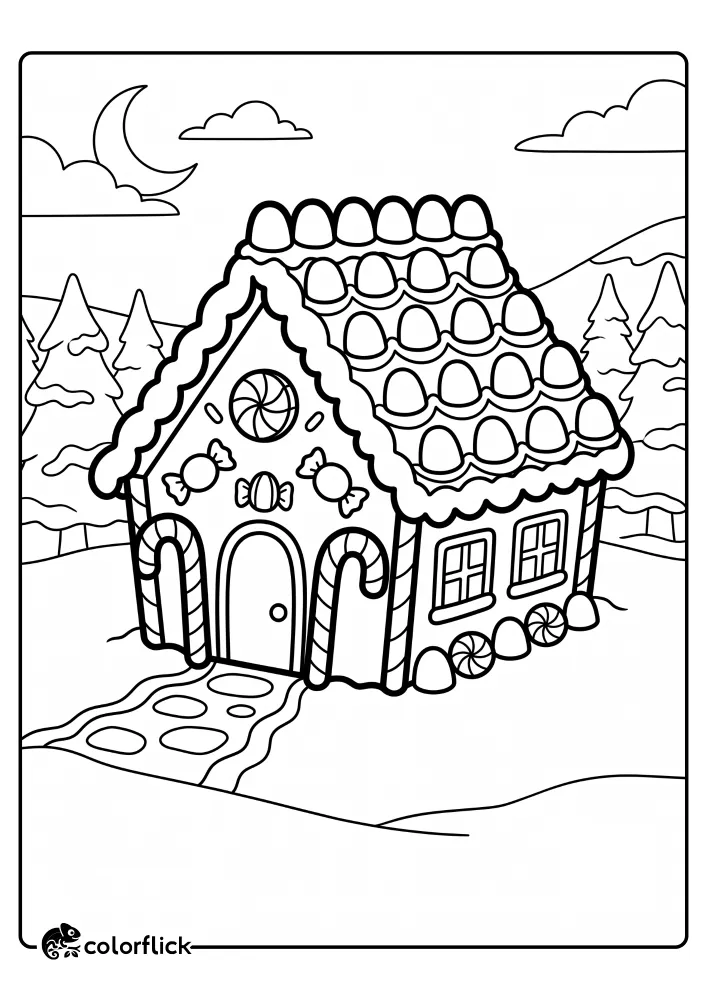
Candy canes smell like Christmas morning. Halloween candy rattles in a plastic pumpkin. Easter chocolates hide in grass. Seasonal sweets connect coloring time to something bigger — cultural memory. Kids practice palette choices that actually mean something: red and white for peppermint, orange and black for October. Many children swear they can almost smell the mint sting just from coloring the stripes. That’s sensory imagination doing its job.
When Candy Gets a Face
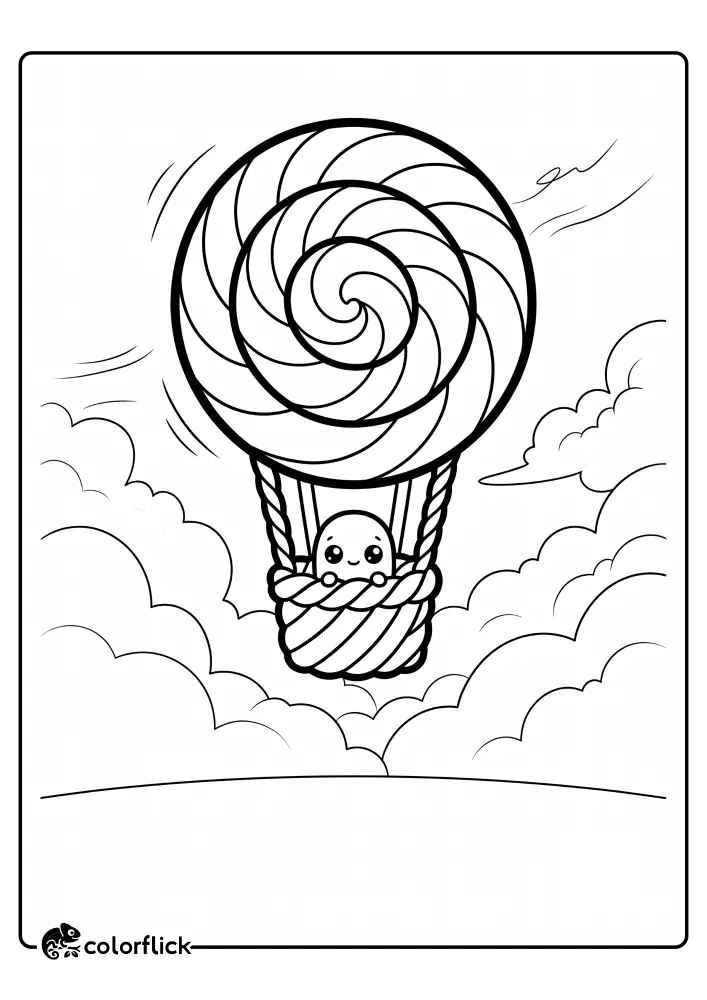
A lollipop with eyes. A chocolate bar that winks. Candy characters aren’t random — companies build mascots on purpose, because a face sticks in a kid’s memory far longer than a logo does. And it works both ways for parents. A named character with an expression gives your child something to talk about mid-page. Is he happy? Grumpy? What’s his name? Suddenly coloring turns into storytelling, and storytelling builds early reading skills without anyone noticing.
Step Into the Candy Shop
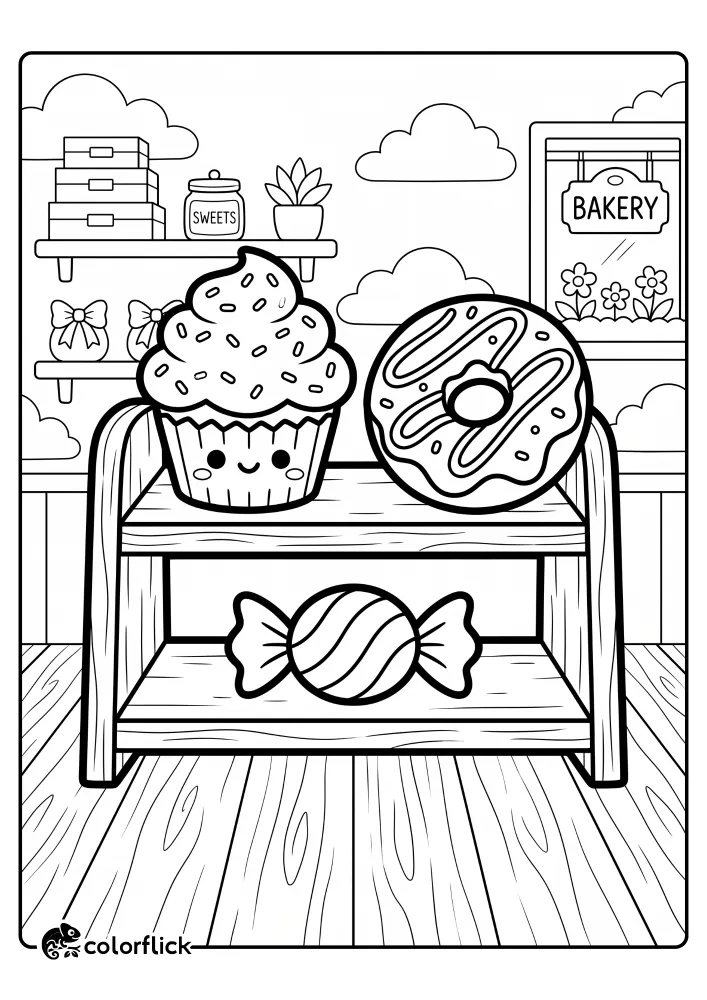
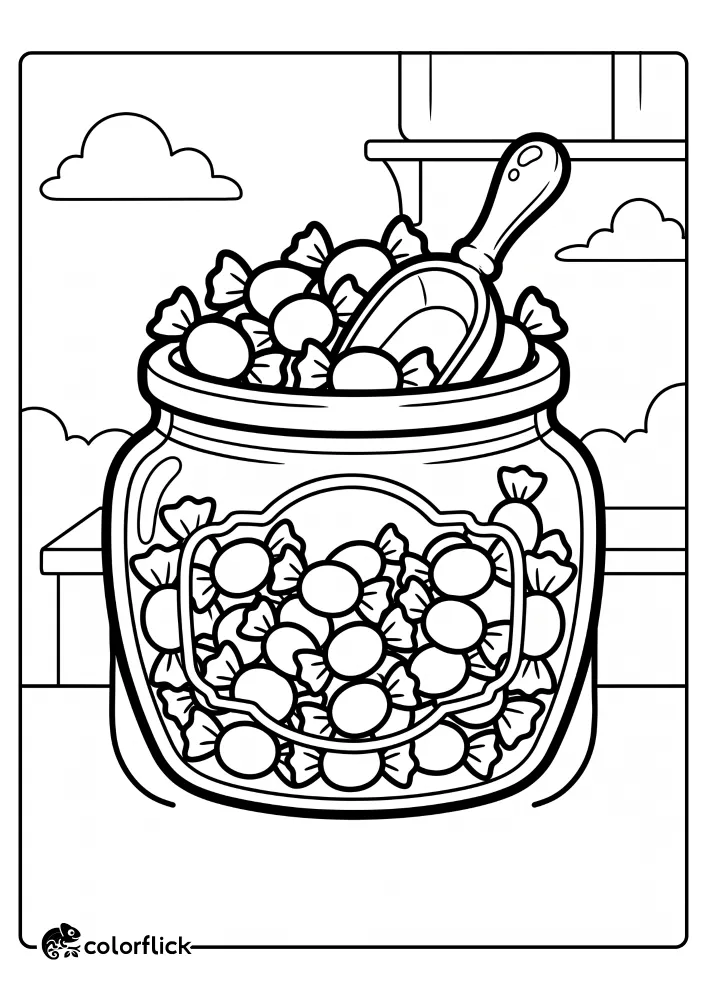
Picture rows of glass jars, each one packed with something different. Candy shop scenes ask a lot from young eyes — scanning, sorting, deciding what to color first. That’s spatial reasoning in disguise. Old-fashioned sweet shops from the 1800s displayed candy exactly this way, in tall glass jars along wooden shelves, and that nostalgic image still shows up in holiday stories today. A busy shop page isn’t overwhelming. It’s a full attention workout, one jar at a time.
Stripes, Swirls, and the Power of Sprinkles
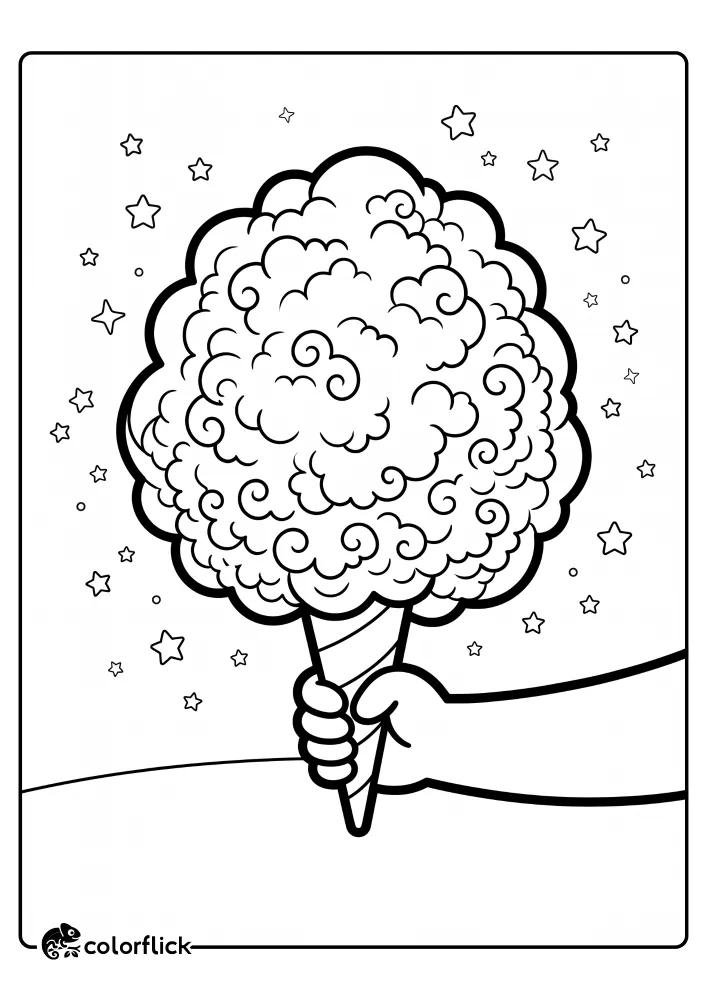
Small details matter more than they look. A page covered in sprinkles forces tiny, controlled strokes — no room for scribbling. Swirled candy patterns train rhythm in the wrist, the same rhythm kids will later use for handwriting. Bumpy. Grainy. Crunchy-looking. That’s how sprinkles read on paper, and kids often color them slower, almost carefully, like they’re imagining the crunch.
Sweet Treats, Smart Choices
Candy pages don’t have to skip the health conversation. Pair a coloring page of candy next to a clock or a piece of fruit, and suddenly portion size becomes part of the picture — literally. Words like “treat” and “portion” slide in naturally. No lecture, no guilt. Just an early, gentle sense that sweets are a sometimes food, not an anytime food.
Design Your Own Candy
What if the candy didn’t exist yet? That’s the hook for this cluster. Kids invent a flavor, sketch a wrapper, choose colors that somehow taste right. Packaging science backs this up more than you’d expect — most people assume a red candy tastes like strawberry or cherry before they even try it. Letting a child design their own wrapper touches branding, color theory, and imagination all in one page.
Play It Safe: Allergy Awareness Pages
Not every candy is safe for every child. Simple symbols on a coloring page — a peanut with a line through it, a warning label shaped like a sticker — teach hazard recognition early, without fear. Halloween has always carried a tradition of checking candy before eating it; today’s parents just do it more carefully, and pages like these turn that habit into something a child understands too.
The Eco-Craft Corner: Candy Jar Collage
This one’s messy in the best way. Print a handful of candy pages, let your child color every piece, then cut them out and glue them onto a recycled glass jar — an old jam jar works perfectly. Use scraps of fabric or magazine clippings for extra texture. It won’t look symmetrical, and that’s the point. A slightly crooked gummy bear or an uneven stripe of glue makes the jar feel handmade, not manufactured. That imperfection is the charm.
Try the “Find It” Candy Hunt
Turn the candy shop scene into a game. Ask your child to count and color every wrapped candy hiding in the picture. Missed one? Look again. Found them all? A small sticker makes a perfect reward. It’s five quiet minutes for you and focused fun for them — no batteries required.
How to Print Your Candy Coloring Pages
Every page in this collection is Free Printable, A4 and US Letter Ready, and available as an Easy PDF Download. Print, color, repeat — as many times as your candy jar of crayons can handle.
Sweetness, Solved
Candy coloring pages turn something kids already love into a quiet learning session — shapes, patterns, vocabulary, even a little health sense, all wrapped in something sugar-sweet. Head back to the main gallery and let the coloring begin.