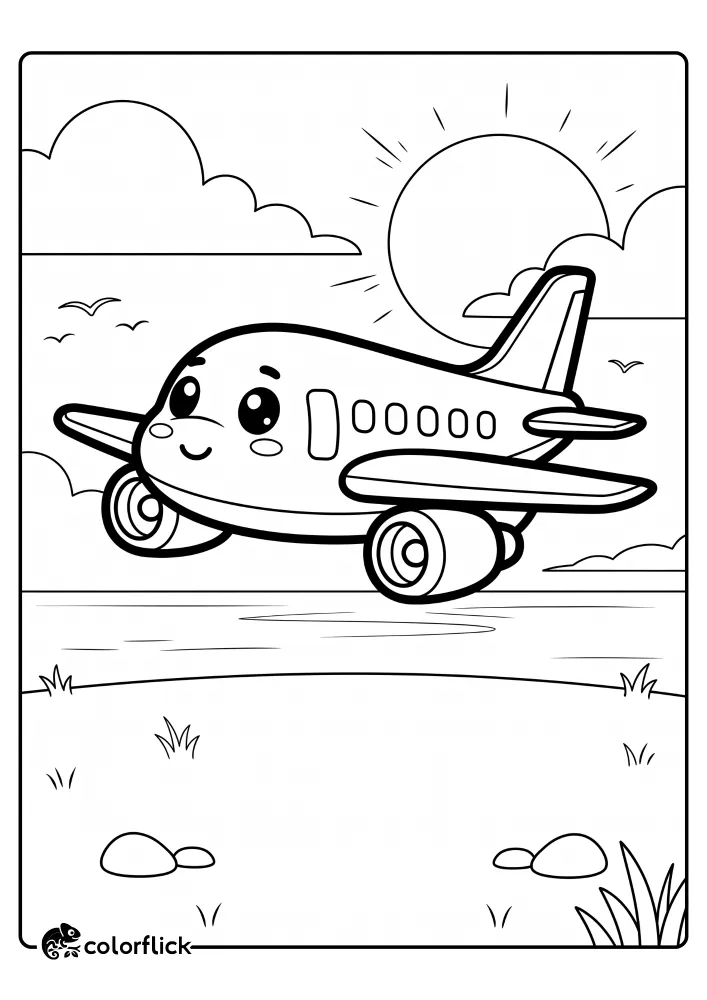
Kids stare up at planes and ask a hundred questions. Why does it fly? Who’s flying it? Where’s it going?
Coloring gives them the answers, one crayon stroke at a time.
Airplane pages aren’t just fun. They build visual-spatial skills, sharpen fine motor control, and turn abstract flight concepts into something a five-year-old can actually hold and understand.
Ready for Takeoff? Grab the Full Airplane Coloring Collection
We’ve put together a full runway of designs. Jets, propeller planes, airport scenes, cloudy skies, and the crews who make it all happen.
Every page is free. Every page is print-ready. No sign-up gymnastics required.
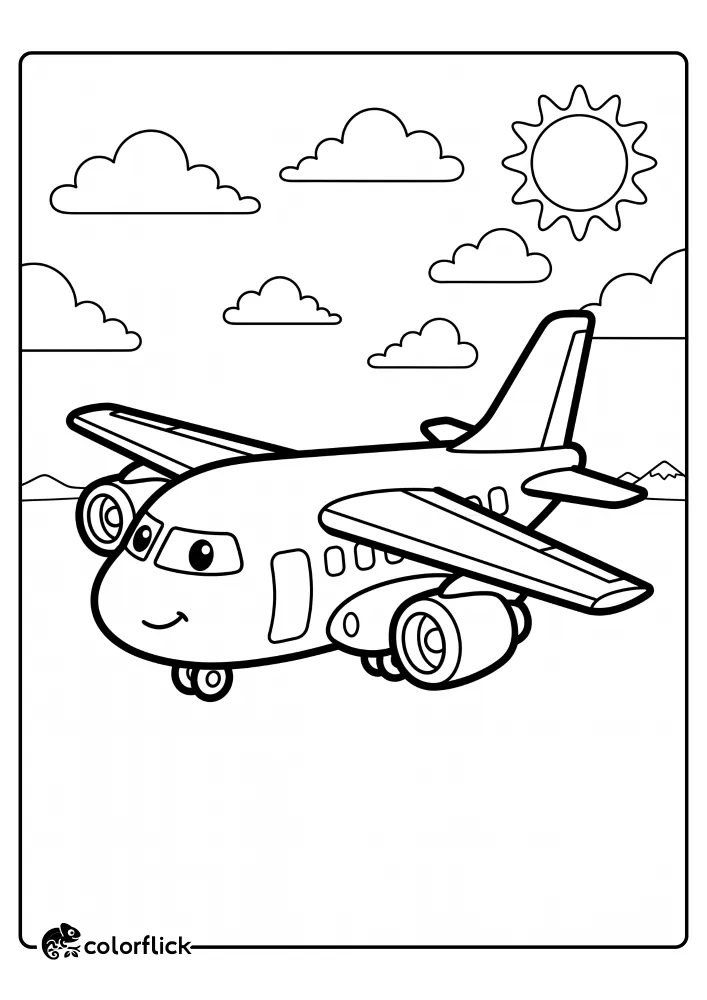
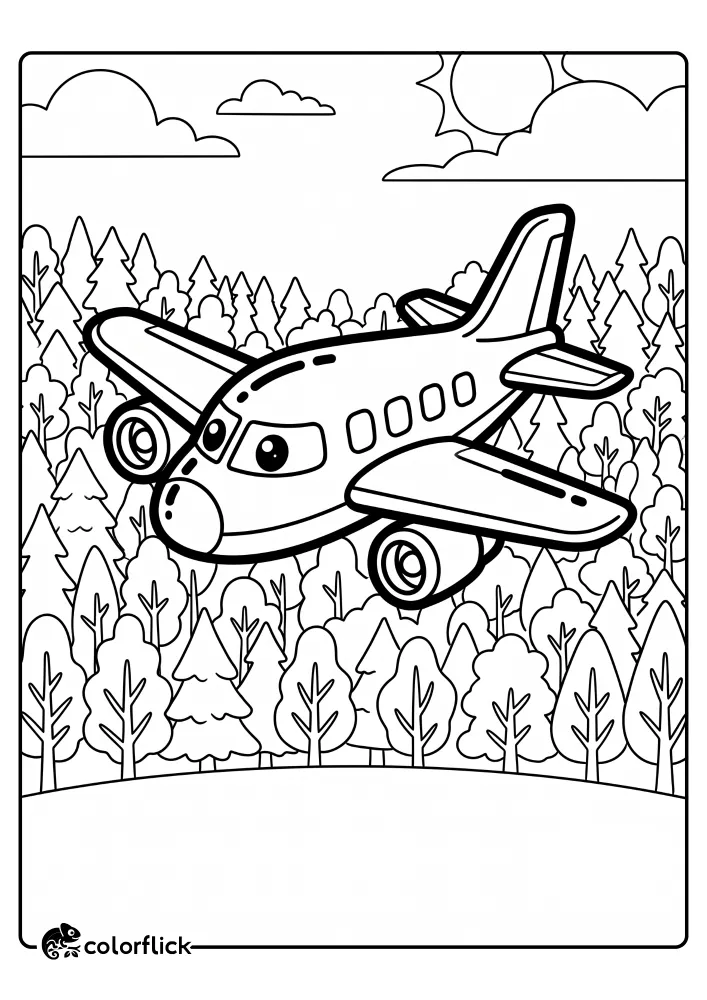
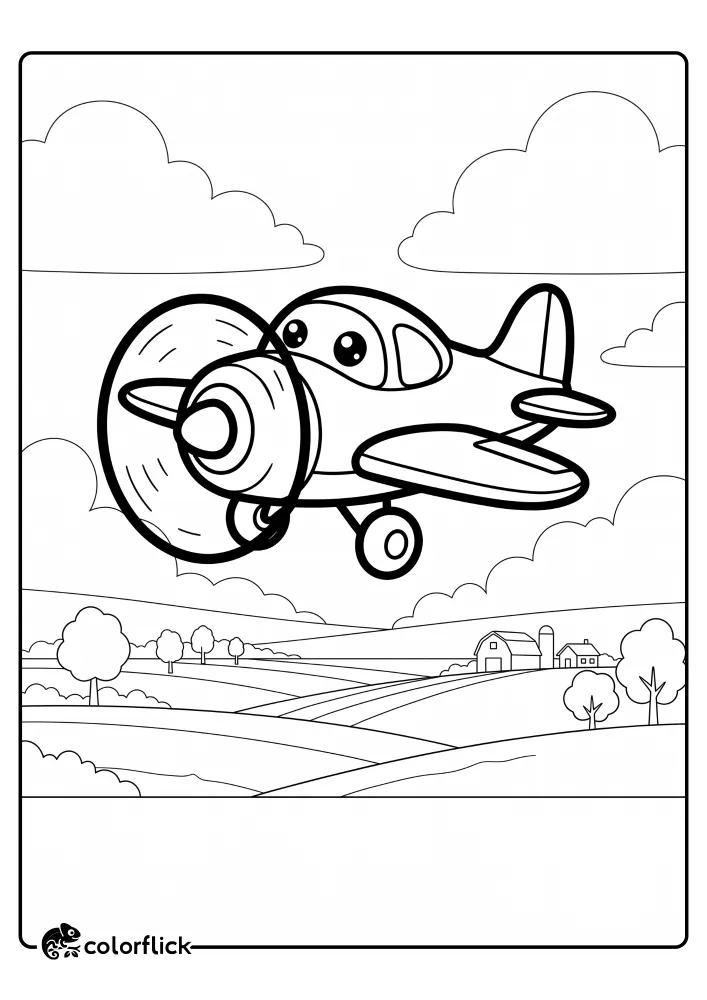
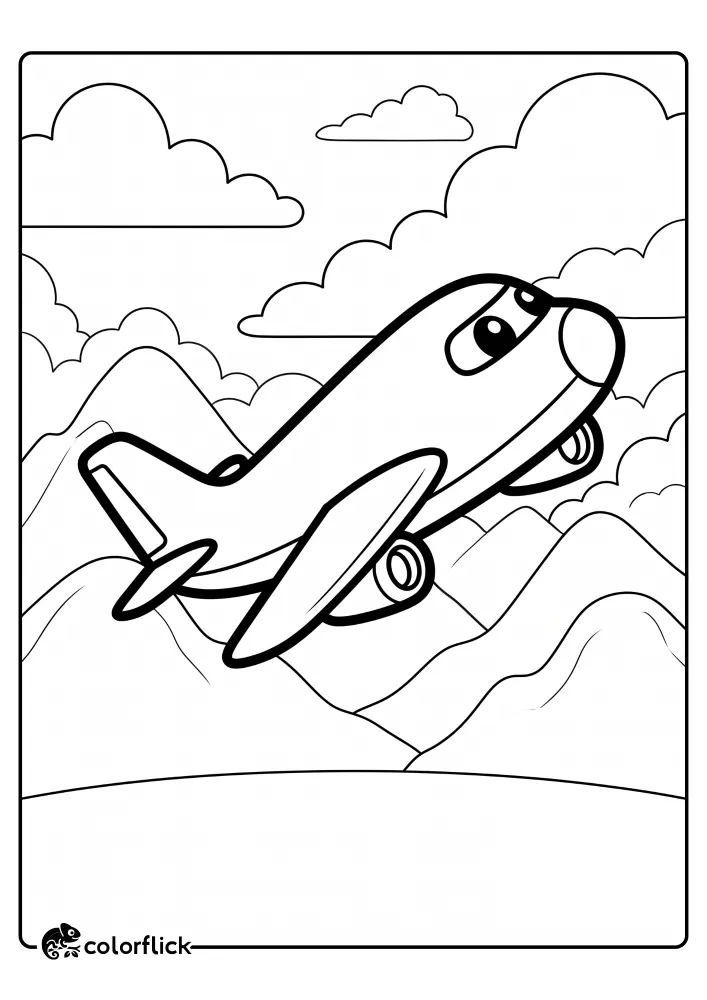
Wings, Tails, and the Machine That Ties It Together
An airplane isn’t one shape. It’s dozens working as one.
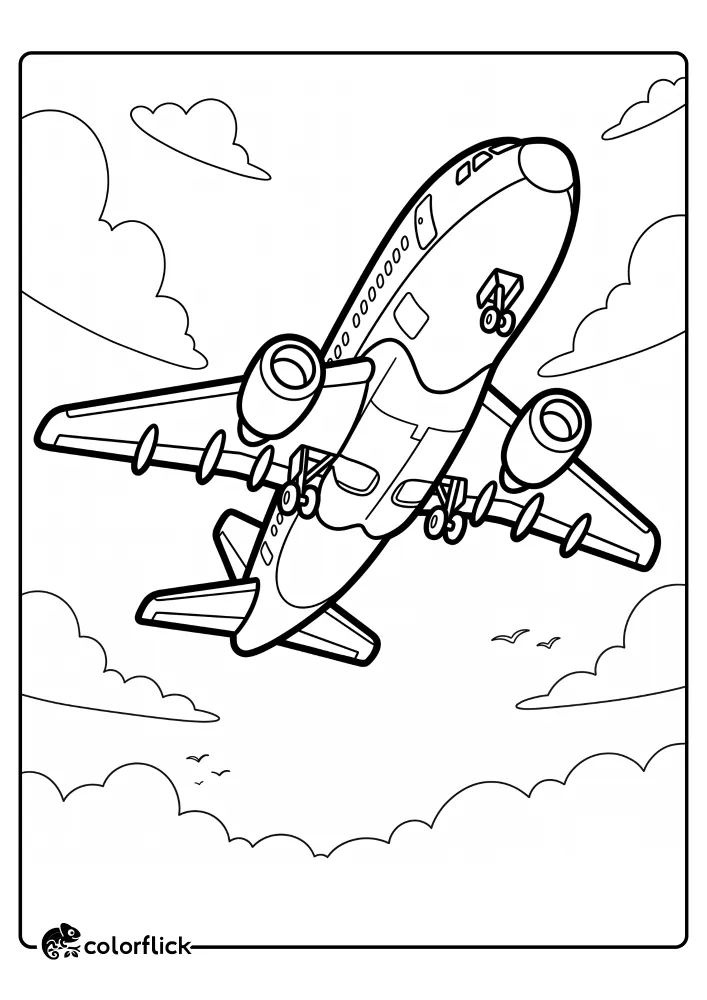
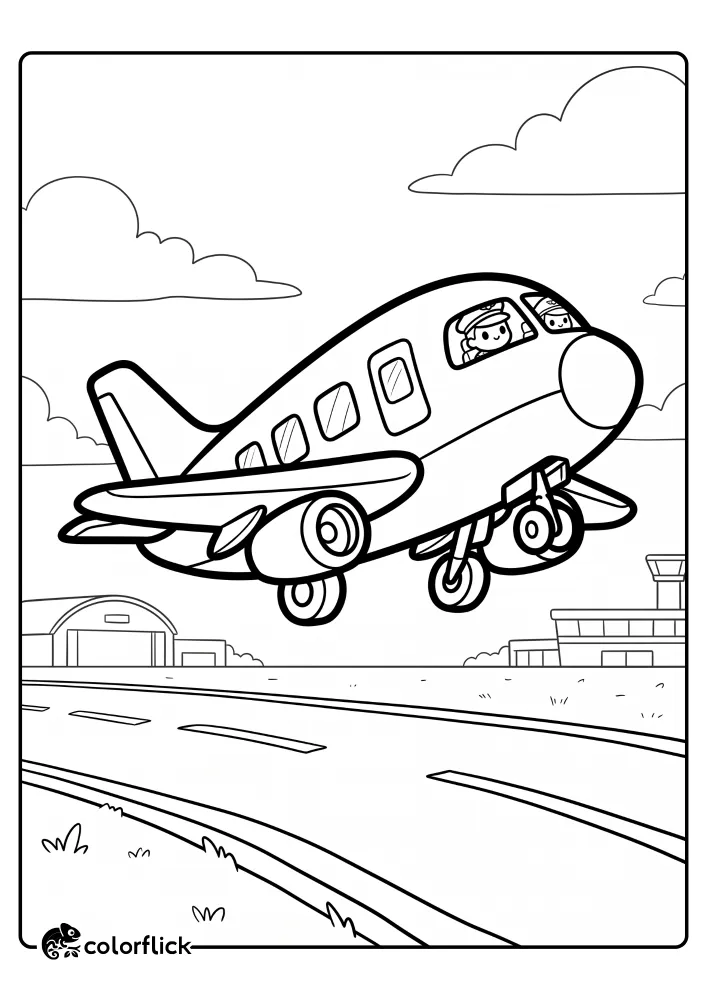
Wings create lift. The cockpit steers. The tail keeps everything steady. When kids color each piece separately, something clicks — they start seeing how parts build a whole. That’s visual-spatial reasoning in action.
Smaller details do double duty. Windows, engines, wheels. Tiny spaces mean tiny crayon movements, which quietly trains fine motor control.
New words worth knowing: wing, tail, cockpit.
The Airport: Where Every Flight Story Begins
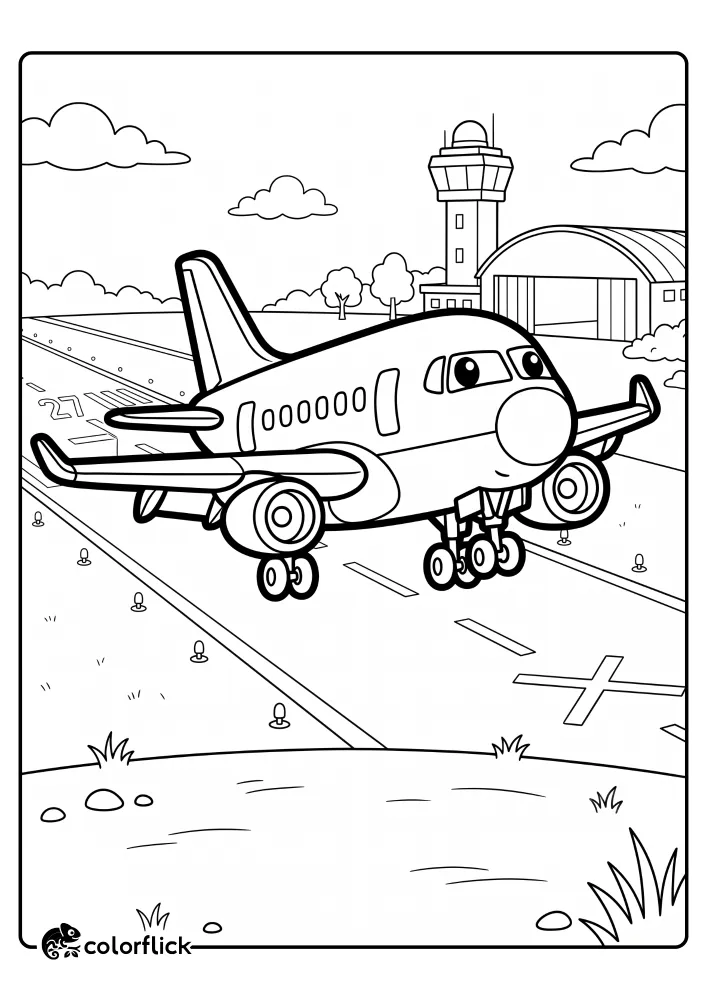
Before the plane climbs into the sky, it sits on the ground. Gates. Runways. A terminal full of people waiting.
That’s the part kids don’t always think about, and it’s exactly why airport scenes work so well. They stretch a single image into a sequence — before takeoff, during boarding, after landing. That’s sequencing skill, built without a worksheet in sight.
More elements also mean more color decisions. More decisions mean more creative ownership over the page.
Jets, Propellers, and Every Plane in Between
Not all planes are built the same.
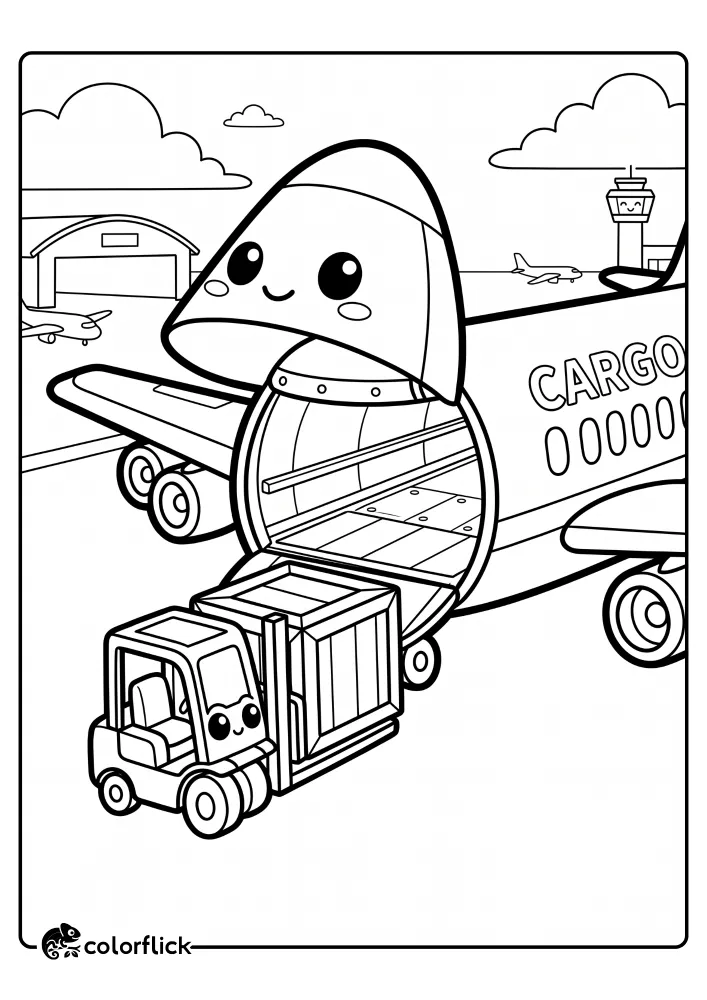
Some carry cargo. Some skim across water. Some are small enough for two seats, others large enough for hundreds. NASA even uses aviation activities like these to introduce kids to aeronautics through real aircraft designs.
Comparing plane types teaches something sneaky-important: classification. Kids start noticing what makes a jet different from a propeller plane, and that noticing is early scientific thinking. Older kids especially gravitate toward the more detailed, research-style aircraft — the extra lines give them more to sink into.
Above the Clouds: Sky, Air, and Open Space
The sky isn’t empty. It’s the whole stage.
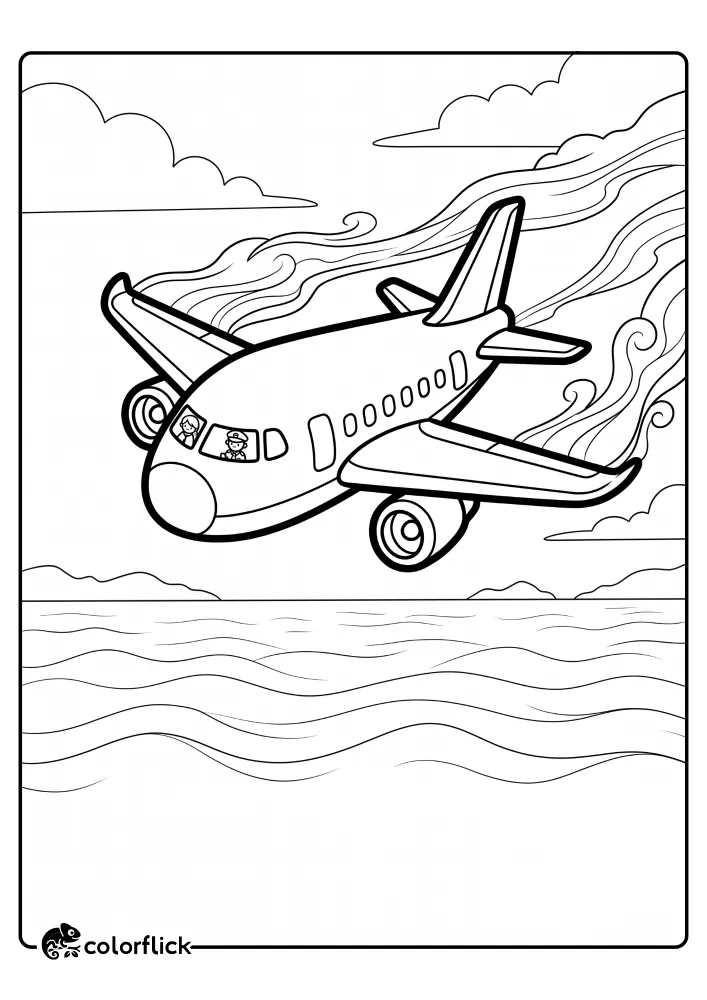
Clouds drifting by. Sun cutting through open air. That sense of altitude and distance doesn’t happen by accident — it’s built into the background of a good airplane scene, reminding kids that flight is a three-dimensional experience, not a flat runway drawing.
Filling in wide, open skies teaches something different than detail work. It’s about blending, background coverage, and patience. For younger children especially, that soft, quiet sky can be genuinely calming — the kind of page that holds their attention a little longer than most.
The People Behind the Flight
A plane doesn’t fly itself.
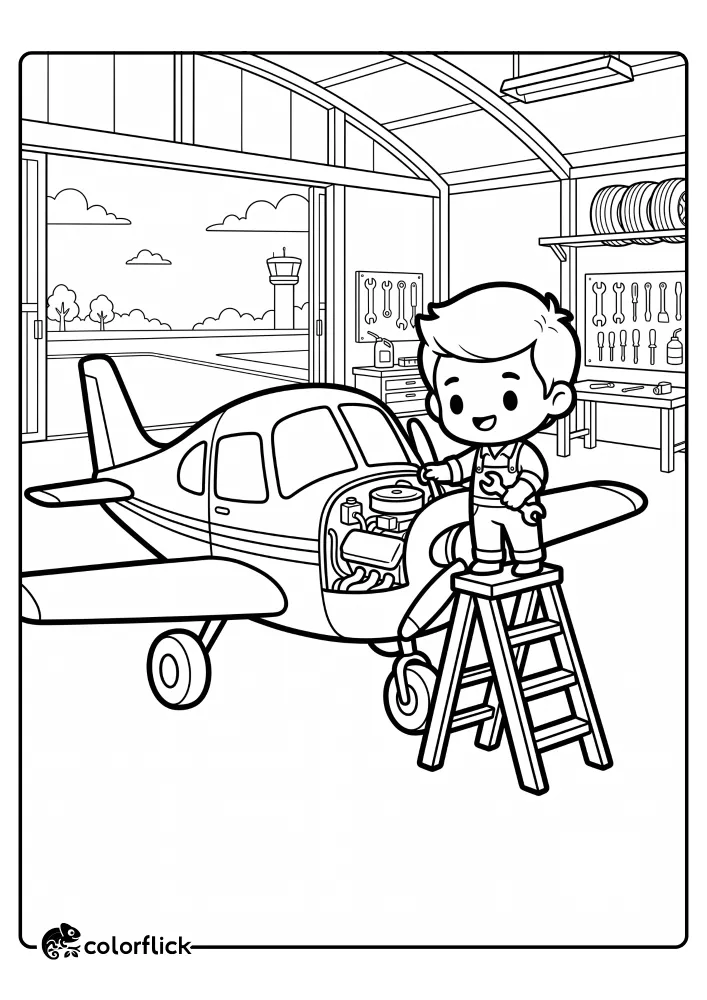
Someone sits in the cockpit. Someone else checks tickets, serves snacks, keeps everyone safe. The moment kids color a pilot or a passenger, the airplane stops being just a machine. It becomes part of a human story — travel, teamwork, purpose.
This theme opens the door to role-play language too. Kids narrate as they color: “the pilot is flying us to Grandma’s house.” That kind of storytelling builds vocabulary in a way that sticks.
New words worth knowing: pilot, crew, passenger.
Busting the Big Airplane Myth
Here’s one most kids believe: planes float through the sky like balloons.
Not true. Planes fly because wings generate lift, engines provide thrust, and control surfaces steer the whole system. It’s physics, not magic — and once kids grasp that, the whole coloring experience gets a layer deeper. They’re not just filling in a wing shape. They’re filling in the exact part that keeps the plane in the air.
Quick Answers for Parents
Are simple airplane pages better for toddlers?
Yes. Bold outlines, thick lines, and simple shapes work best for preschool and kindergarten-aged kids. Less detail means less frustration.
Can older kids still enjoy airplane pages?
Absolutely. Detailed cockpits, busy airports, and realistic aircraft designs give older children the complexity they crave. The same topic, scaled to the right age, works for everyone.
Final Boarding Call
Airplanes carry more than passengers. They carry curiosity, questions, and a little bit of wonder about how something so big gets off the ground.
Coloring is how kids process all of that, one page at a time.