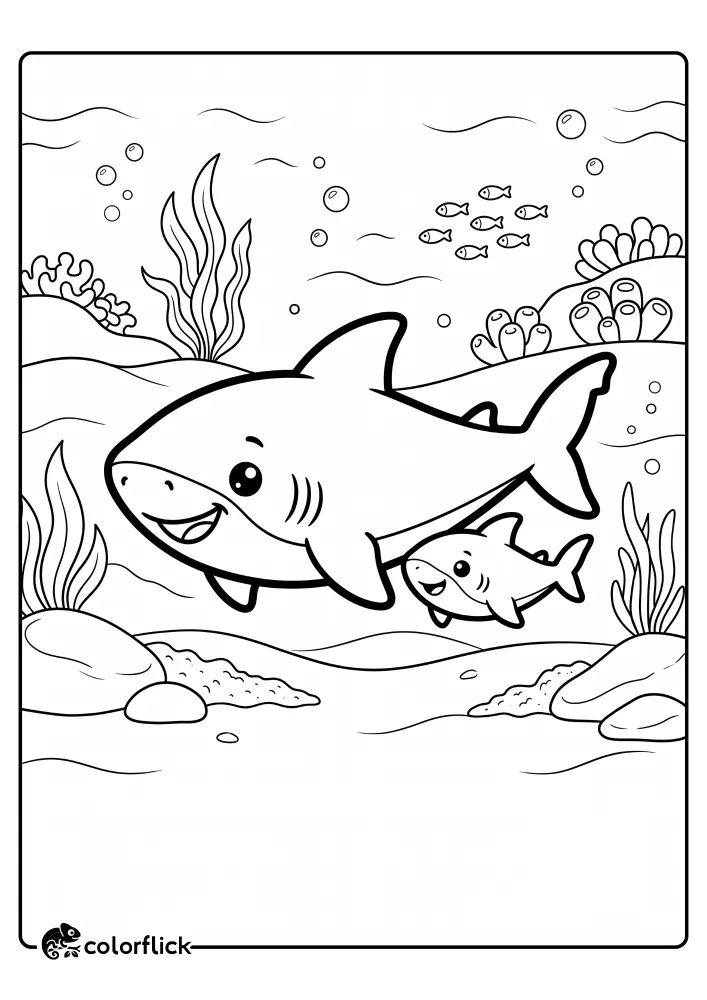
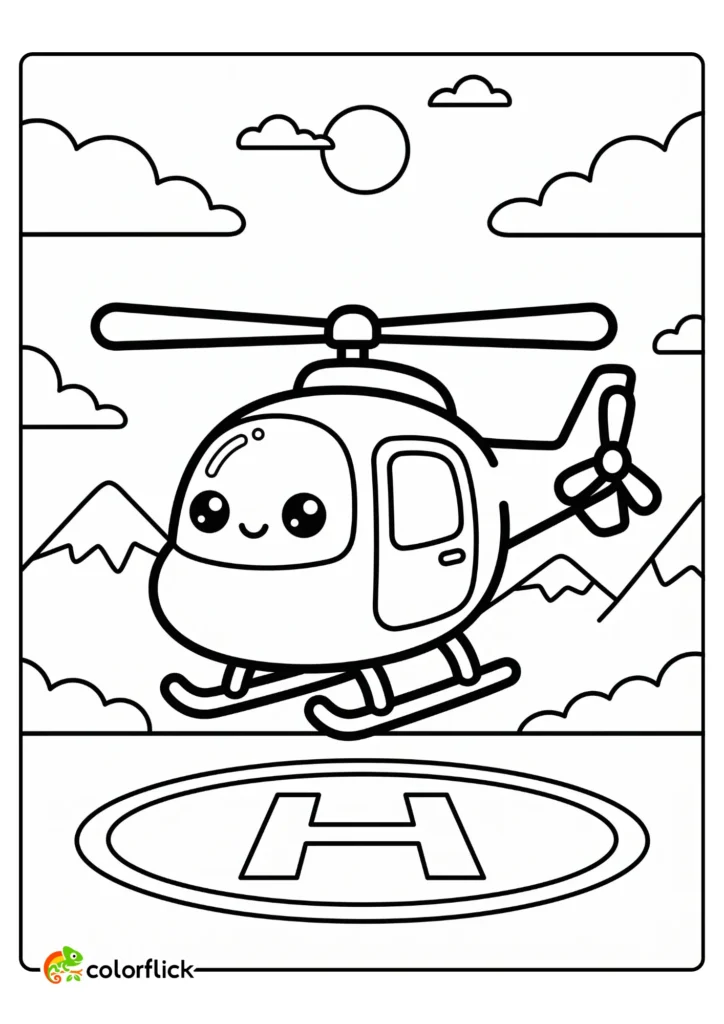
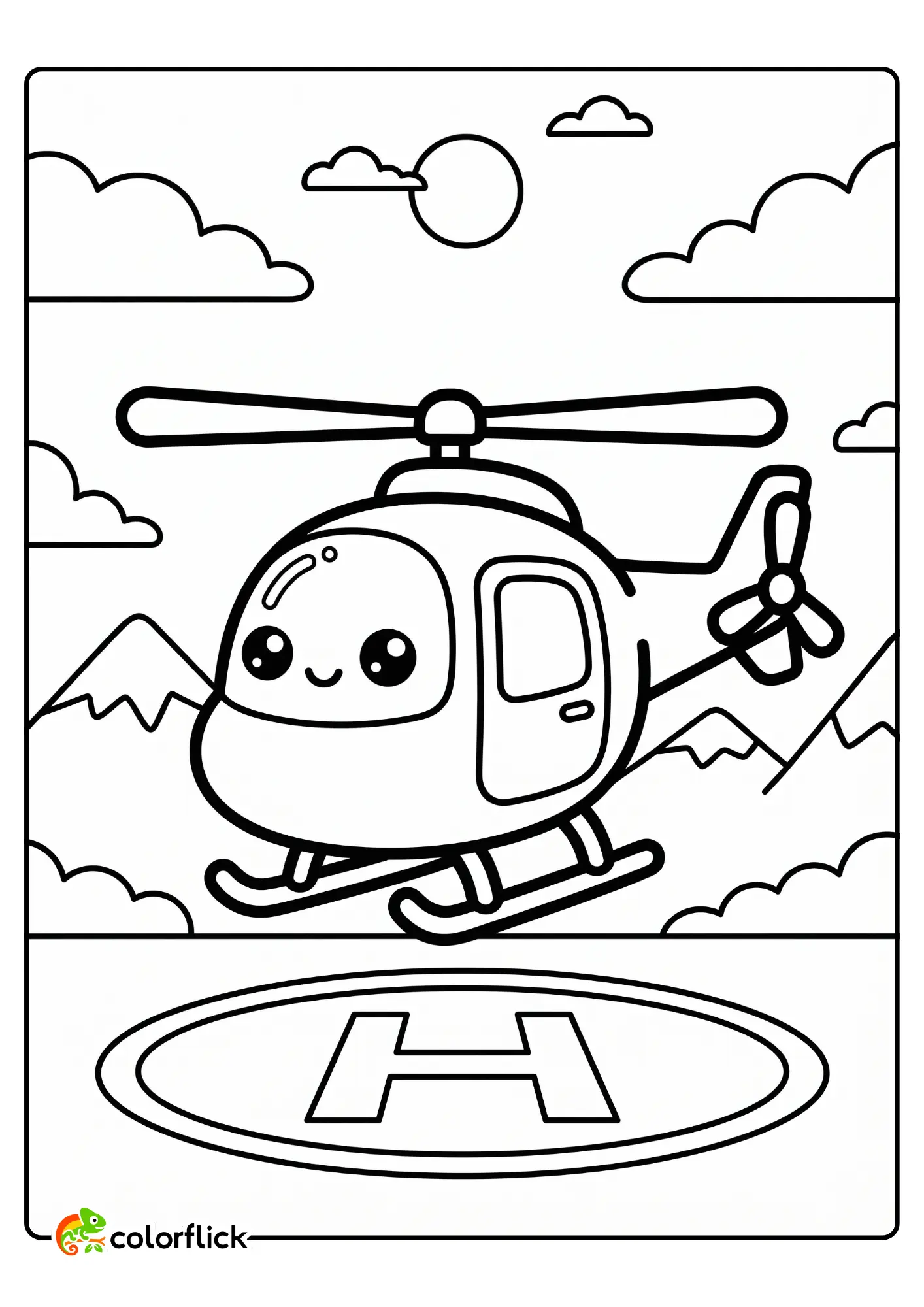
Close your eyes for a moment and picture it: the thunderous whump-whump-whump of giant rotor blades slicing the air. A flash of orange hovering over dark, churning ocean waves. A white medevac chopper touching down on a snow-dusted mountain peak, medics sprinting with a stretcher. The city glowing neon below as a sleek police chopper banks hard, searchlight blazing.
That world — urgent, heroic, and endlessly exciting — is exactly where these helicopter coloring pages live.
Helicopters aren’t just “cool machines.” For children, they’re portals to some of the most dramatic, emotionally resonant stories in the real world: rescues at sea, life-saving airlifts, skyscraper construction, and high-speed pursuits. Every page your child colors is a quiet conversation about bravery, teamwork, engineering, and community.
And here’s the beautiful part: picking up a crayon and deciding this rotor will be bright red or these ocean waves will be stormy purple is a powerful act of creative ownership. It’s STEM, storytelling, and self-expression all at once.
This post is a growing gallery — a living collection. We add new helicopter scenes regularly, so bookmark this page right now and come back often. Whether your child is just starting to color inside the lines or already filling in intricate details with a steady hand, there’s a free printable here waiting for them.
Ready for Takeoff: Color the Heroes of the Sky
Helicopters are unlike any other flying machine — and that’s the first thing worth celebrating with your child. While airplanes need a long runway to build up speed, a helicopter can launch straight up from a rooftop, a mountain peak, or the deck of a ship. The secret is the rotor — those magnificent spinning blades on top that generate lift by pushing air downward. As the rotor spins faster, the helicopter rises. When it tilts slightly forward or sideways, it moves in that direction. No wings. No runway. Pure, almost magical aerodynamics.
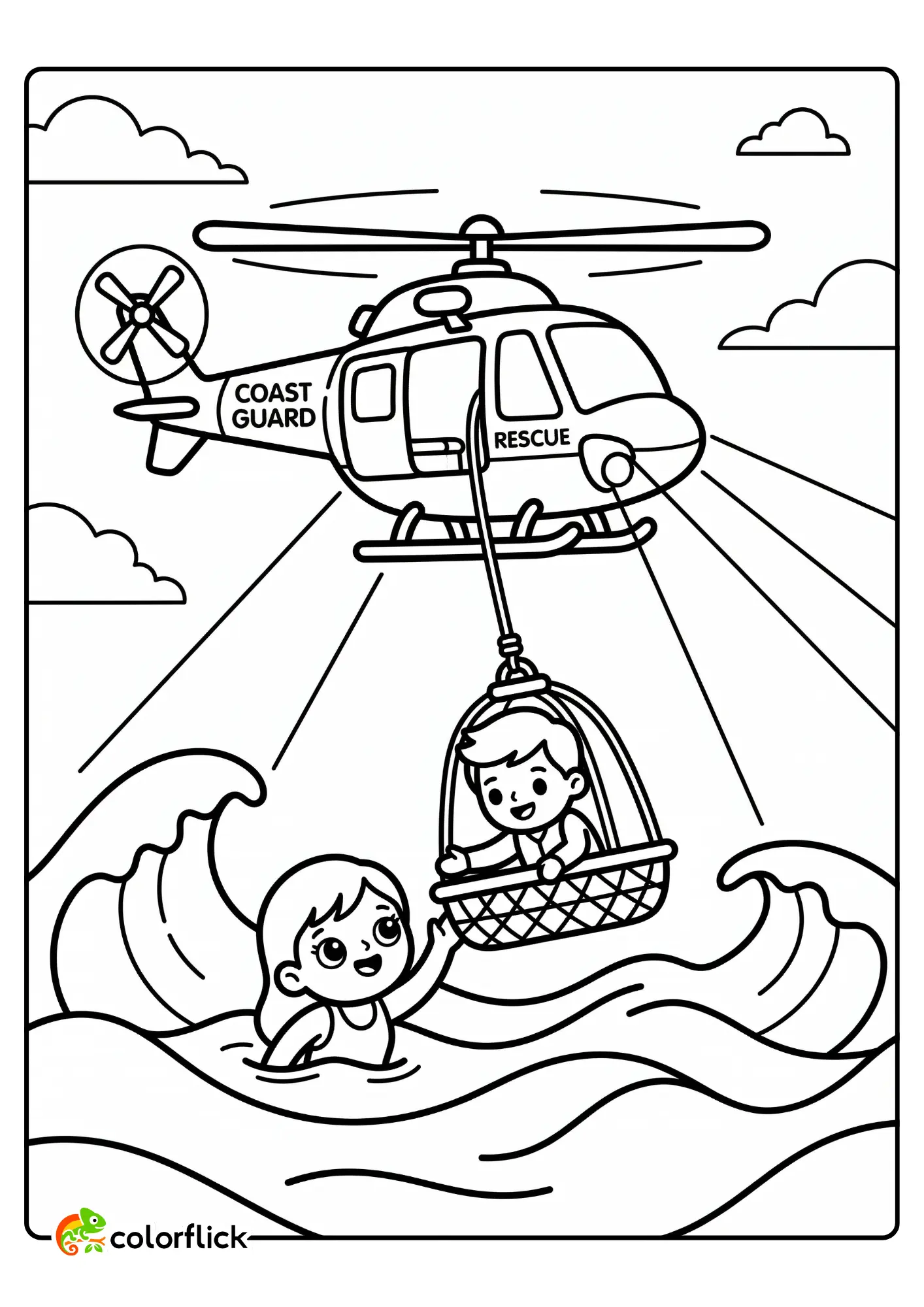
Then there’s the mesmerizing ability to hover — to hang suspended in a single spot in midair while the world moves around it. A coast guard rescue helicopter can hover steadily for hours over choppy water, its powerful downdraft pushing waves up to ten feet high as a rescue basket is slowly lowered to a swimmer in distress. That brilliant orange paint? It’s not random — it makes the aircraft visible through fog, spray, and darkness.
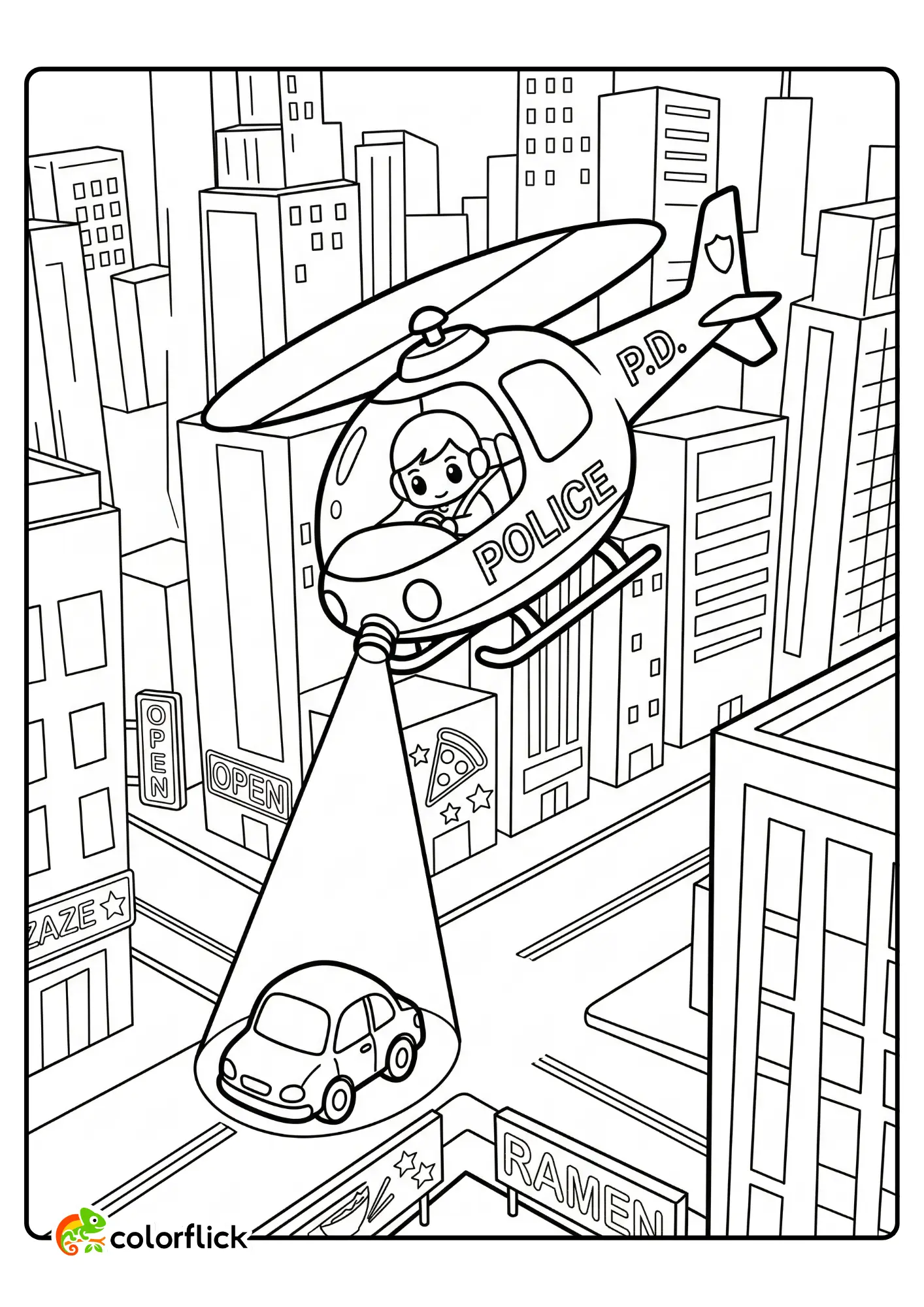
Speaking of darkness: police helicopters own the night. Flying at up to 130 miles per hour and equipped with night-vision cameras and a blinding spotlight, they track a pursuit across a glittering city grid, feeding real-time information to ground teams via radio. They see everything from above that no one on the street can see.
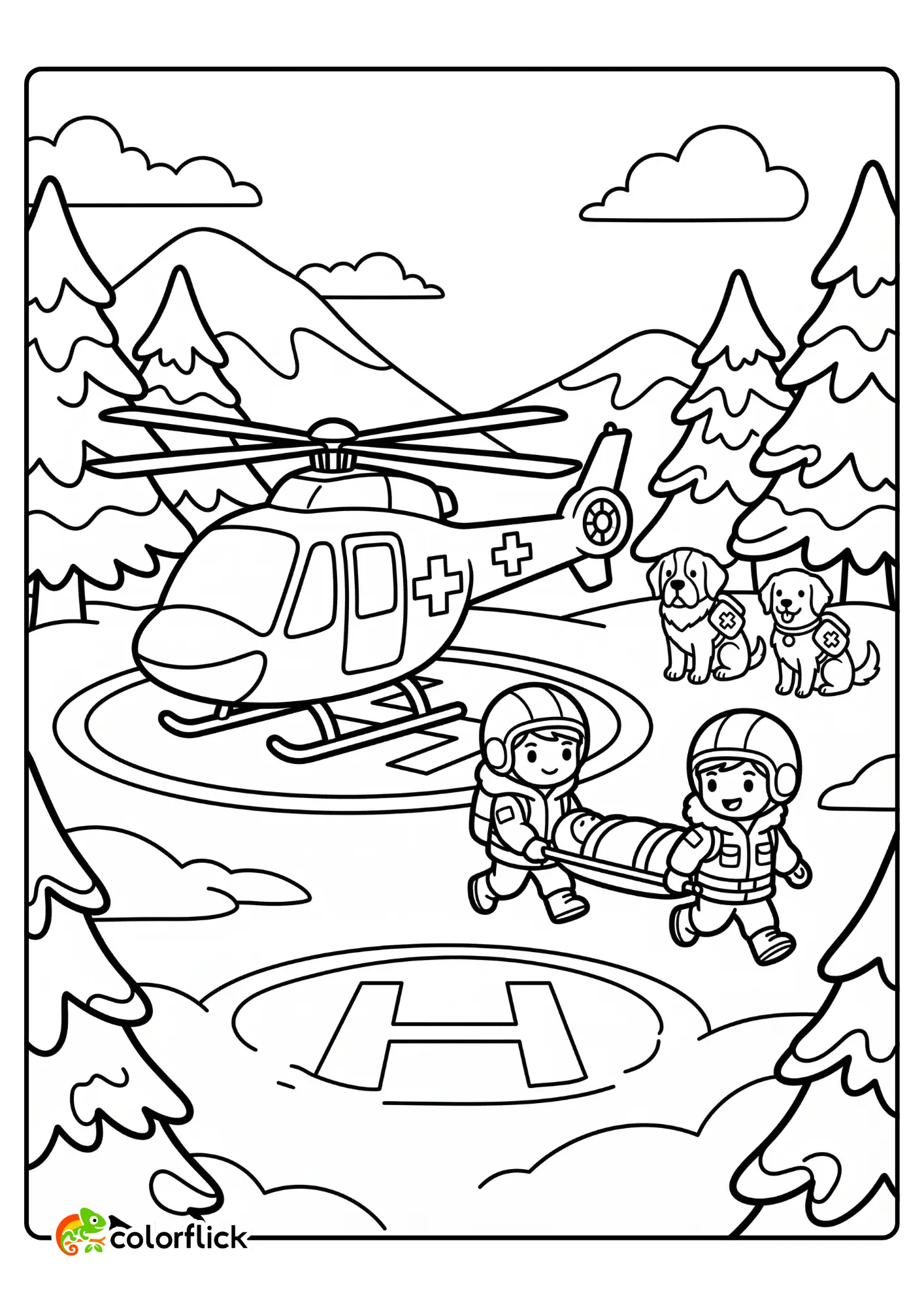
High in the mountains, where the air is thin and ambulances simply cannot go, the medevac helicopter is the only lifeline. “Medevac” stands for medical evacuation — an urgent airlift of an injured or critically ill patient. These remarkable aircraft carry blood supplies and operate in near-zero visibility, landing on improvised landing pads on snowy slopes surrounded by pine trees and rescue dogs.
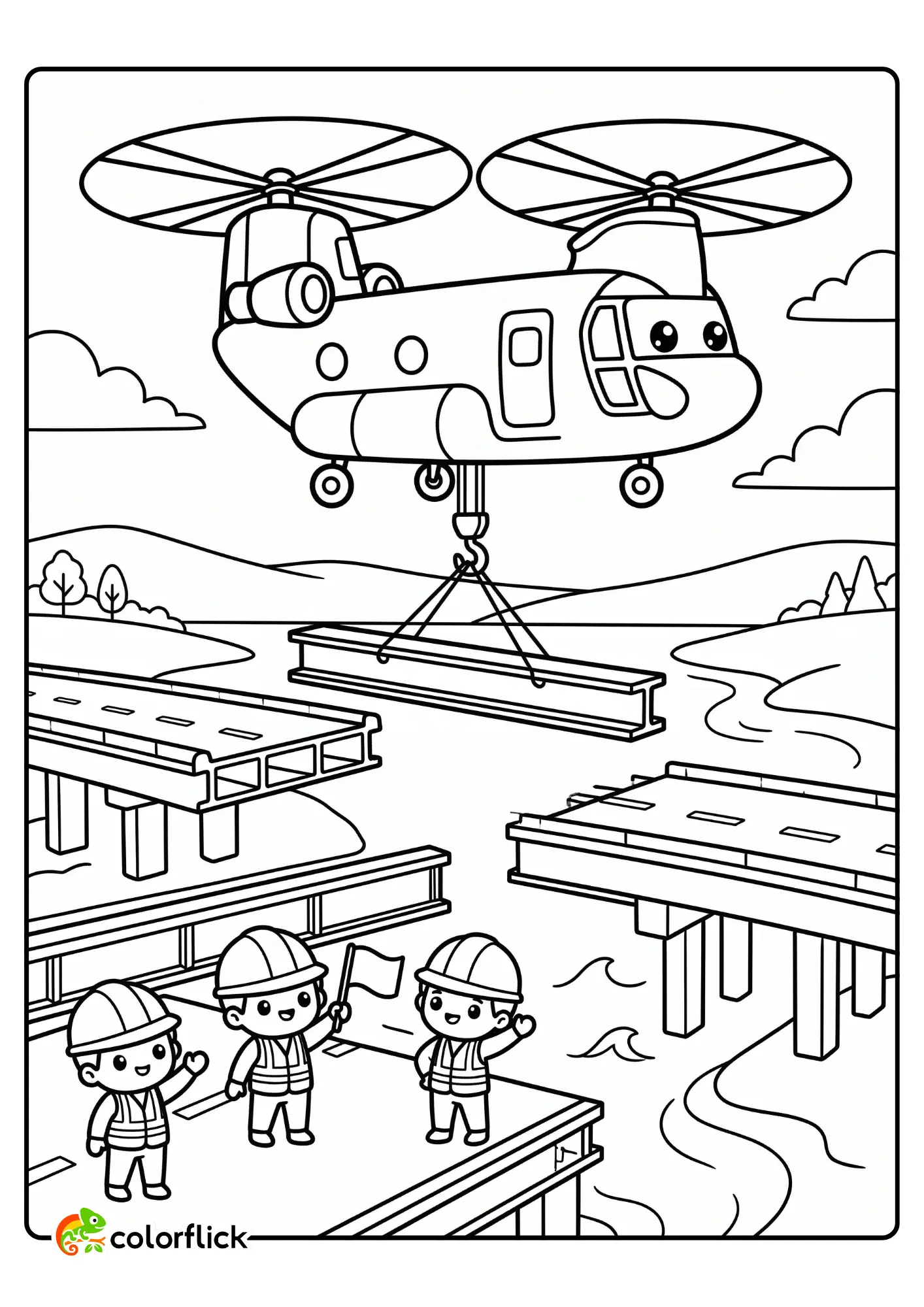
And then there are the gentle giants — the sky cranes. These massive twin-rotor workhorses carry sling loads (heavy cargo hung by cables underneath) weighing up to 20 tons — heavier than four adult African elephants — to position steel beams on half-built bridges or hoist wind turbines into place on ridgelines too steep for any truck to climb. Workers below signal with hard hats and hand gestures, guiding tons of steel through the air with precision. Every single one of these scenes is waiting for your child’s colors.
Busted: The Biggest Myth About How Helicopters Actually Fly
Here’s one that trips up kids and adults alike: “Helicopters fly just like airplanes — they just look different.”
Not even close. Airplanes generate lift because air rushing over a curved wing creates a pressure difference — and that only works when the plane is moving forward fast enough. That’s why airplanes need runways. A stationary airplane simply falls.
A helicopter generates lift with its rotor, which is essentially a set of rotating wings spinning overhead at high speed. This means it can create lift while standing completely still. It can rise straight up, lower straight down, fly backward, fly sideways, or just hang in the air indefinitely.
This also means helicopters can reach places no fixed-wing aircraft ever could: hover over a specific person in the ocean, land on a rooftop, descend into a narrow mountain valley, or position itself precisely over a single bolt on a bridge under construction.
When your child colors a helicopter mid-hover, they’re actually illustrating one of the most sophisticated aerodynamic achievements in human engineering. That’s worth pausing and pointing out.
Build It, Spin It, Fly It: The Cardboard Rotor Craft
This one takes about fifteen minutes and turns a coloring page into a hands-on flying toy — and kids are absolutely delighted by the result.
What you’ll need: One printed helicopter coloring page, a cereal box (or any thin cardboard), a drinking straw, and a straight pin or pushpin.
Step one: Have your child color and cut out the helicopter body from the printed page. Cut a set of rotor blades from the cereal box cardboard — two long thin rectangles work perfectly. Attach the rotor blades to the top of the colored helicopter body using a small strip of tape, fanned out like a pinwheel.
Step two: Poke the straw vertically through the base of the helicopter body and secure with the pin — loose enough that the rotor assembly can spin freely. Hold the straw between both palms and rub your hands together quickly. Watch the rotors spin!
This simple craft teaches rotational motion, the relationship between speed and lift, and the basic mechanics of how a rotor works. More importantly, it gives children a physical, tactile memory that connects the coloring page to a real engineering concept — and that kind of embodied learning sticks.
Conclusion: Color the Mission, Save the Day
Every helicopter on these pages represents a real story — a life saved at sea, a patient airlifted from an impossible location, a city made safer from the sky, a bridge built piece by piece. When your child picks up their crayons and brings these scenes to life, they’re not just coloring. They’re stepping into those stories.
Download your free helicopter coloring pages today and let the adventure begin. Share your child’s finished artwork with us — we love seeing how young artists interpret these incredible machines.
And don’t forget: this collection grows. New scenes, new missions, new helicopters are added regularly. Bookmark this page, check back often, and keep those crayons ready for the next dispatch.