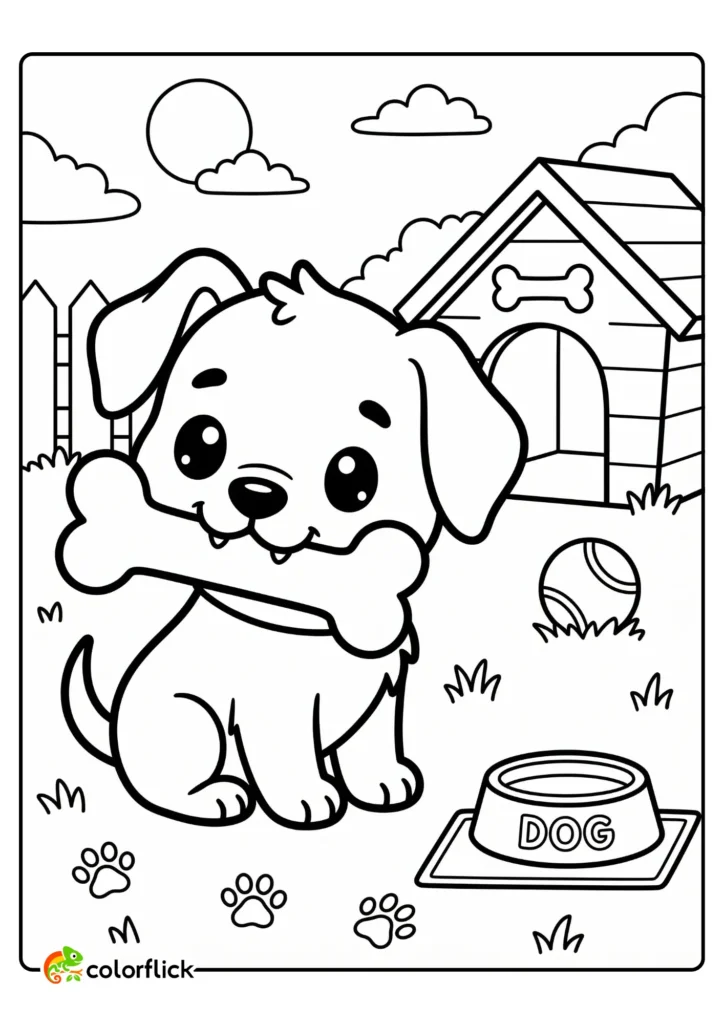
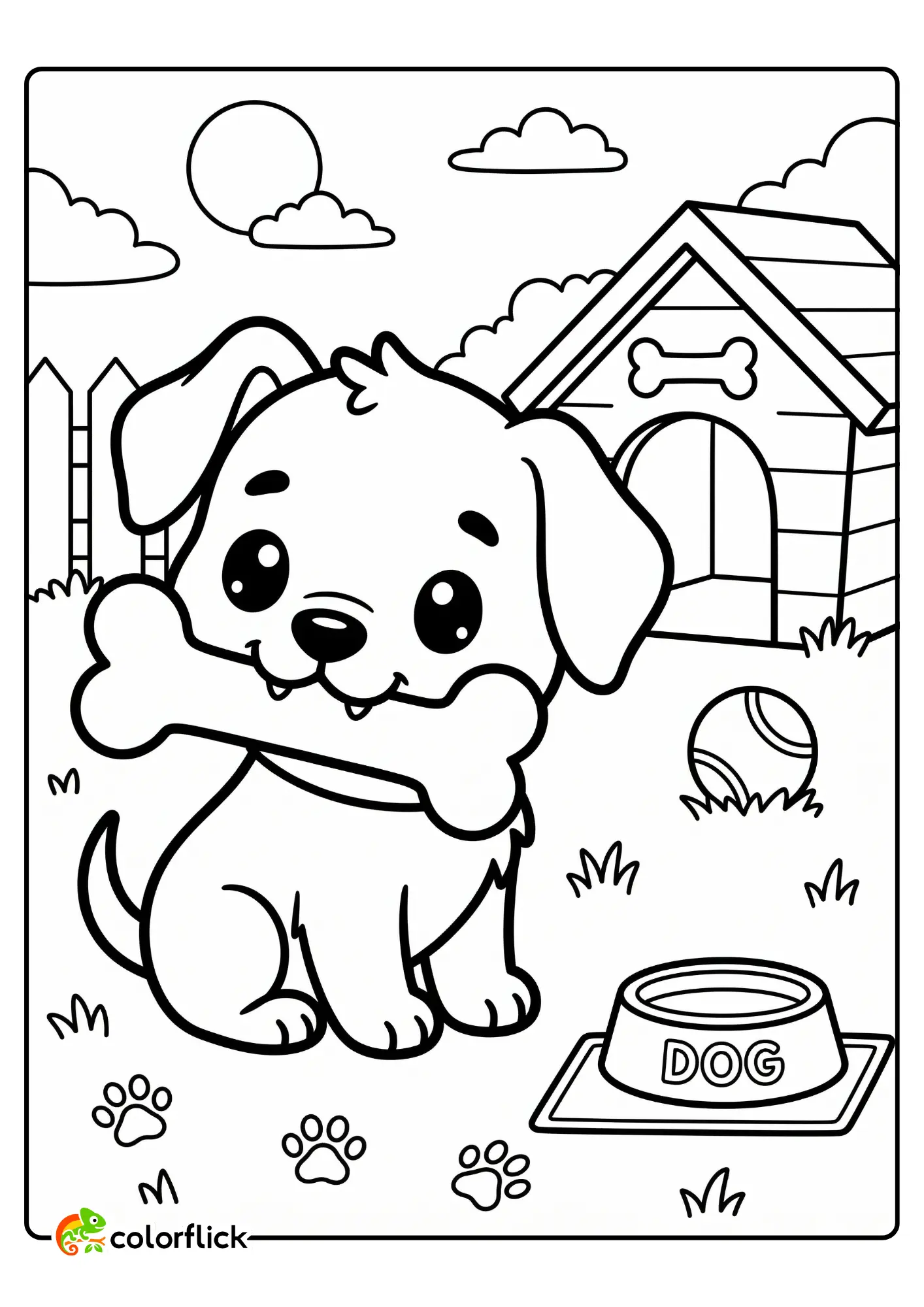
We’ve all been there — you hand a toddler a coloring page, and within sixty seconds the marker has bled through to the table, the lines are too fiddly to follow, and the whole thing ends in tears. It doesn’t have to go that way. A few small adjustments turn a frustrating moment into a calm, proud, five-minute win.
When the Lines Are Too Tiny and the Markers Go Everywhere
Toddlers are still building the fine motor control needed to stay inside small shapes, and standard coloring pages — designed for older kids — set them up to fail before they even begin. Thin outlines, tiny details, and flimsy paper are the real culprits, not the child.
Why This Drains Everyone’s Patience Fast
When a two- or three-year-old can’t see where to color, their marker wanders, bleeds through the page, and hits whatever is underneath. The activity that was supposed to calm things down becomes the source of the meltdown. For parents and teachers working with toddler-friendly dog coloring pages, the fix isn’t a different child — it’s a different setup.
The Goal in One Line
Give the toddler one big, simple dog shape, the right tools, and a surface that holds up — and watch them finish something independently and feel great about it.
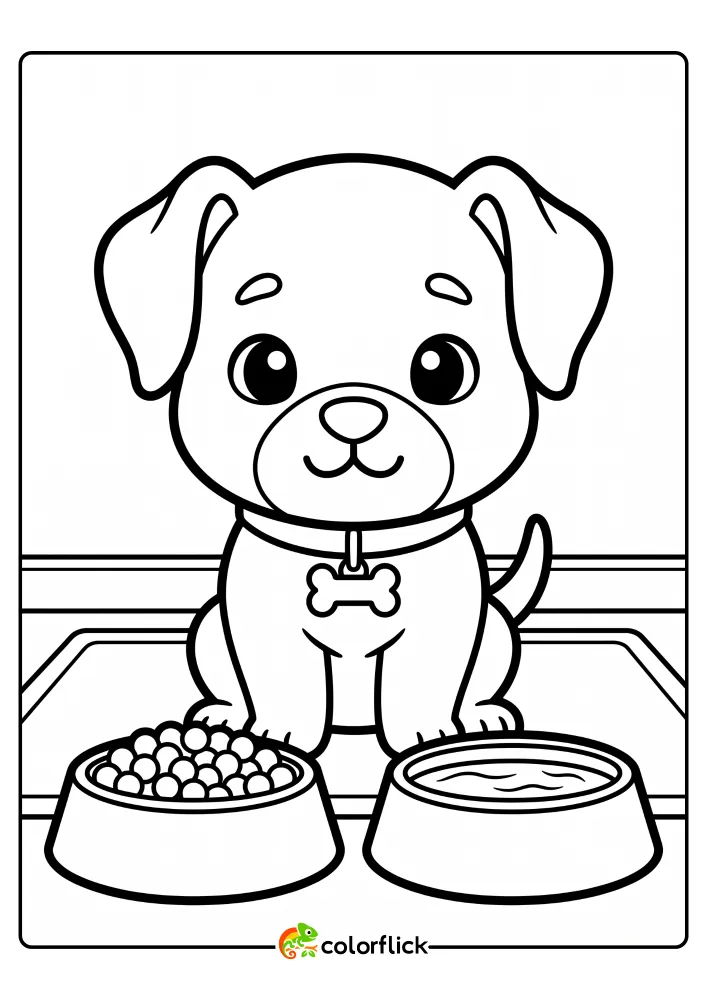
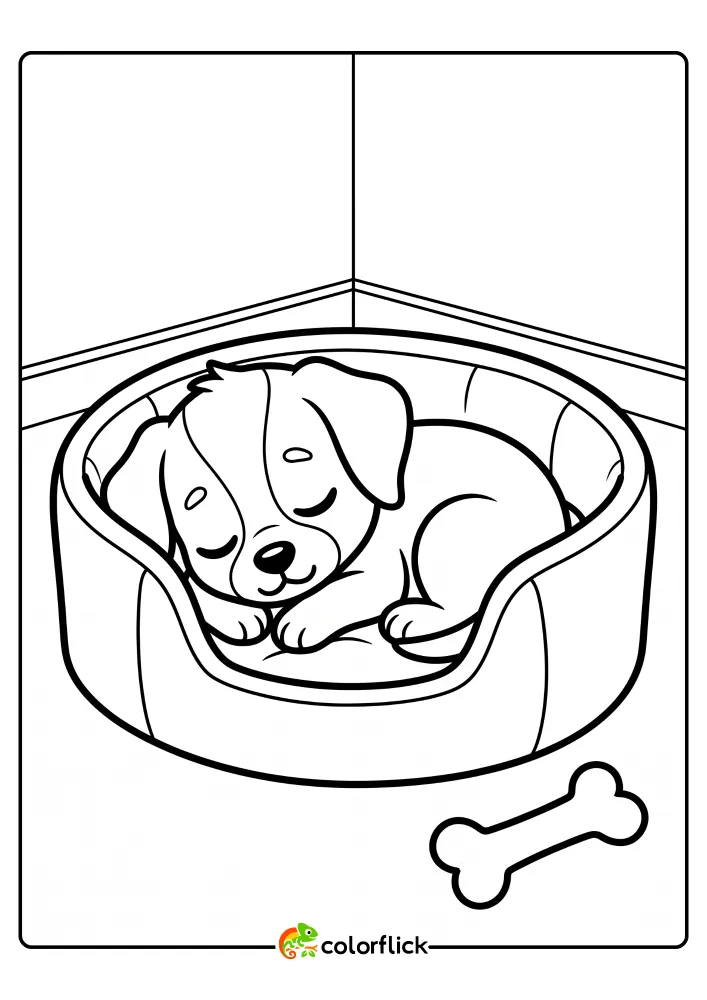
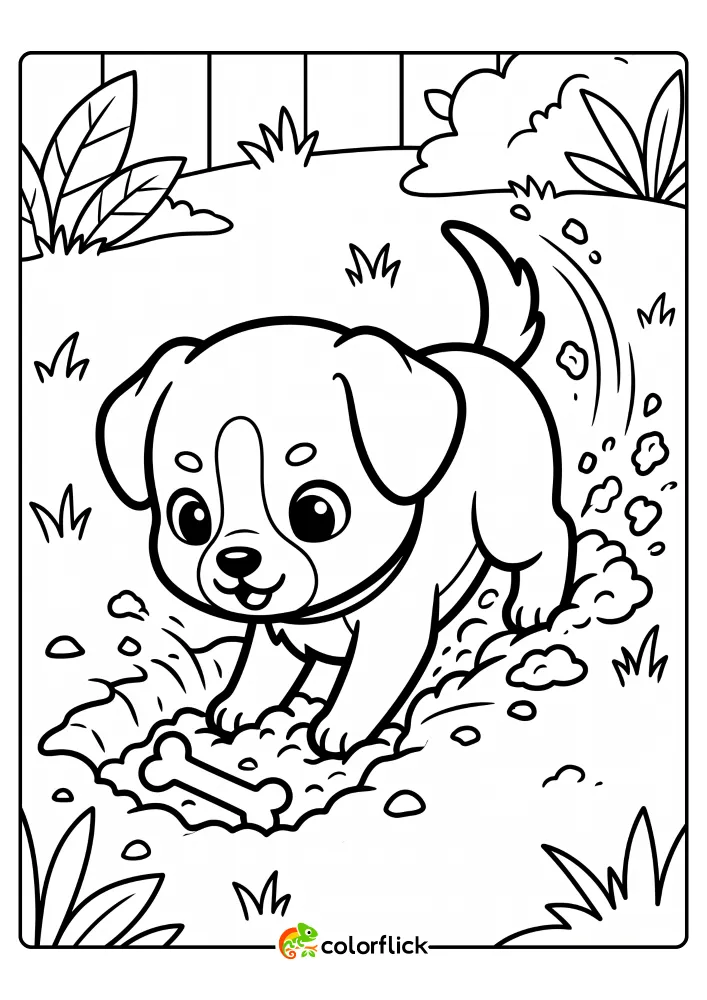
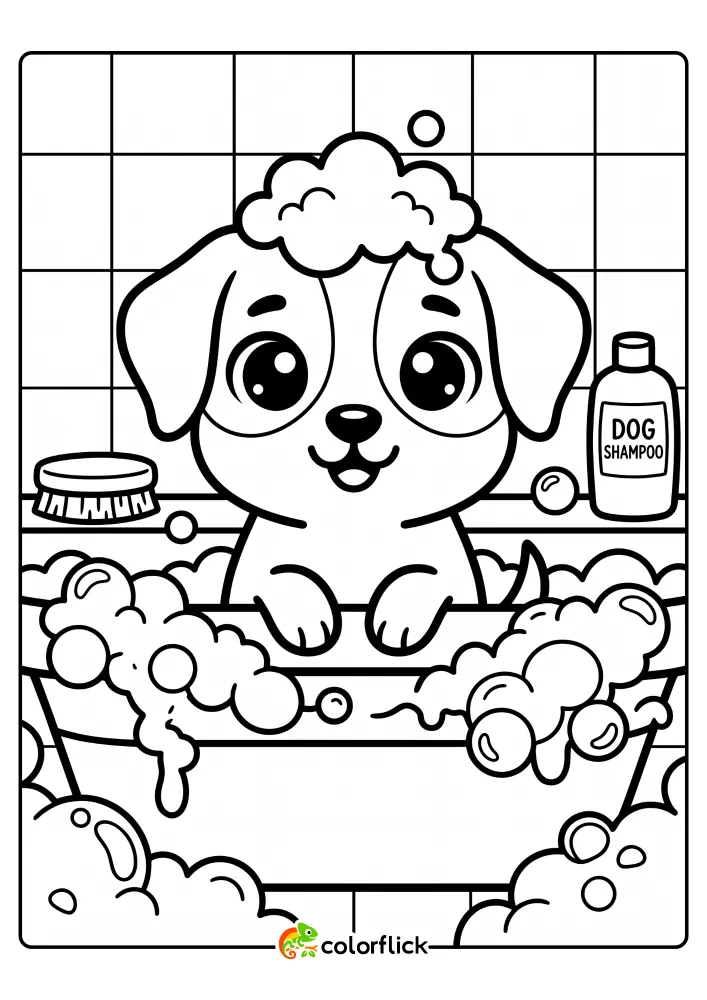
Your No-Fuss Setup Kit
You don’t need to buy anything special. Most of this is already in the house or classroom.
- Chunky washable markers or fat crayons (toddler-grip size)
- An optional small timer (a phone timer works perfectly)
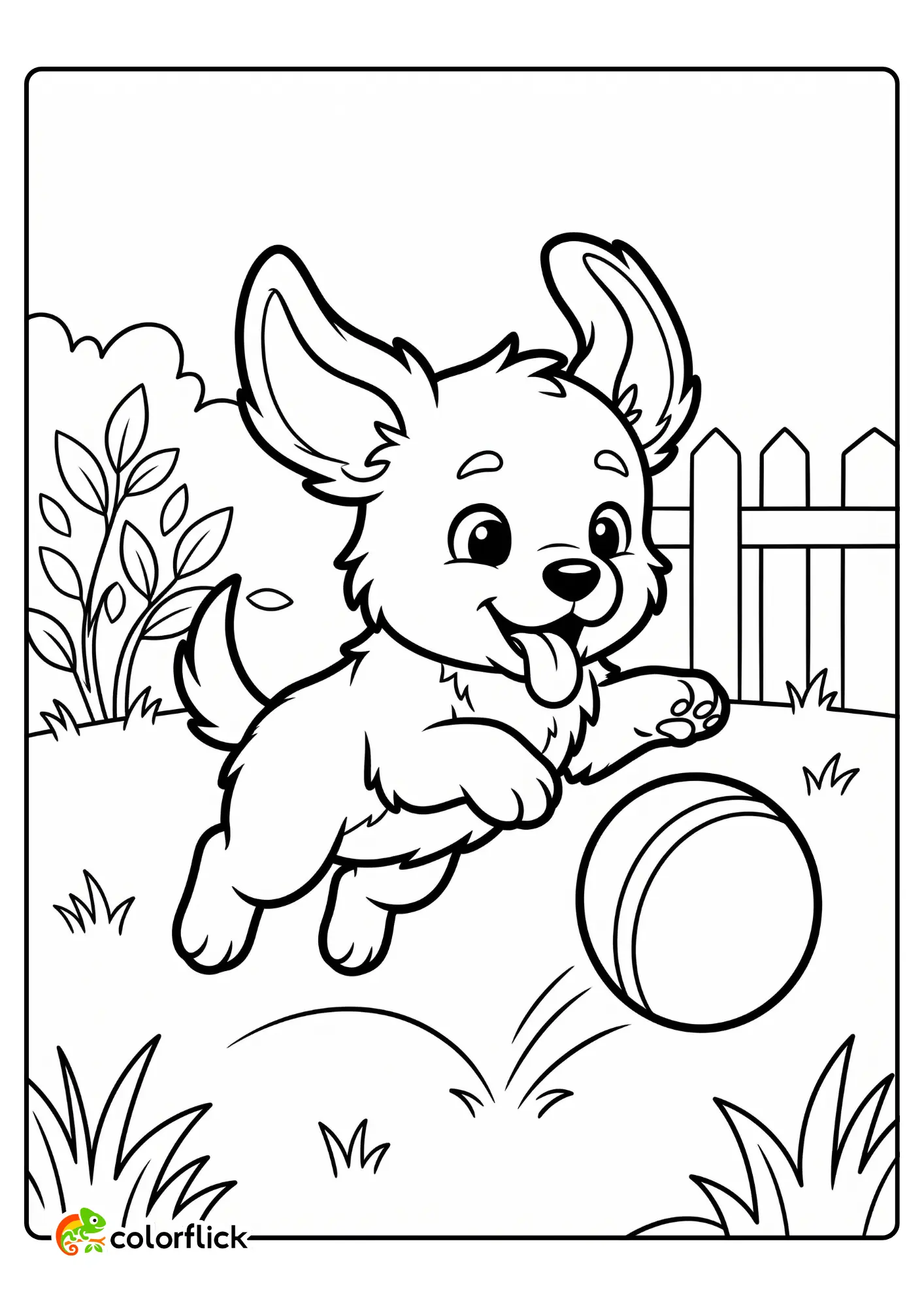
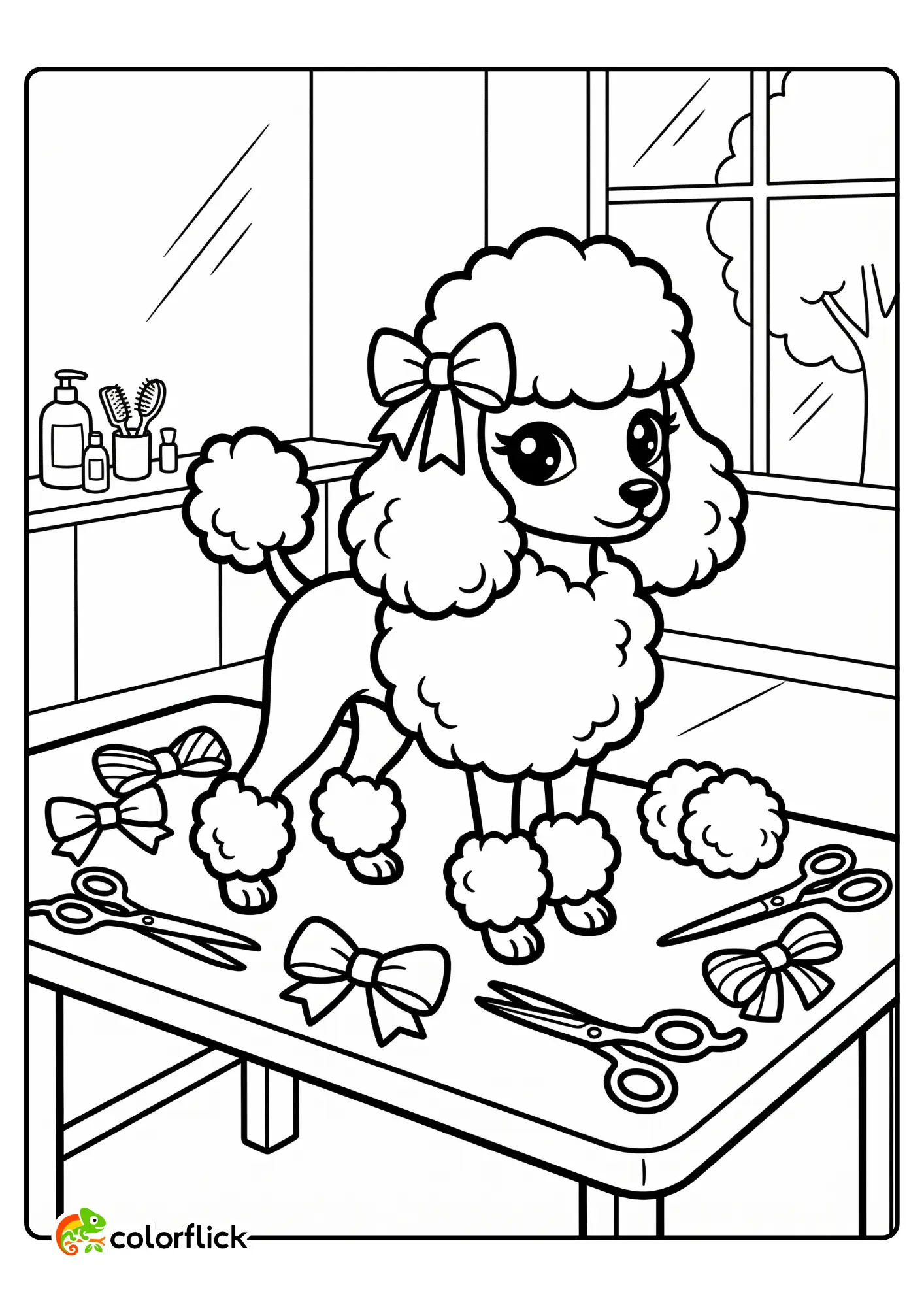
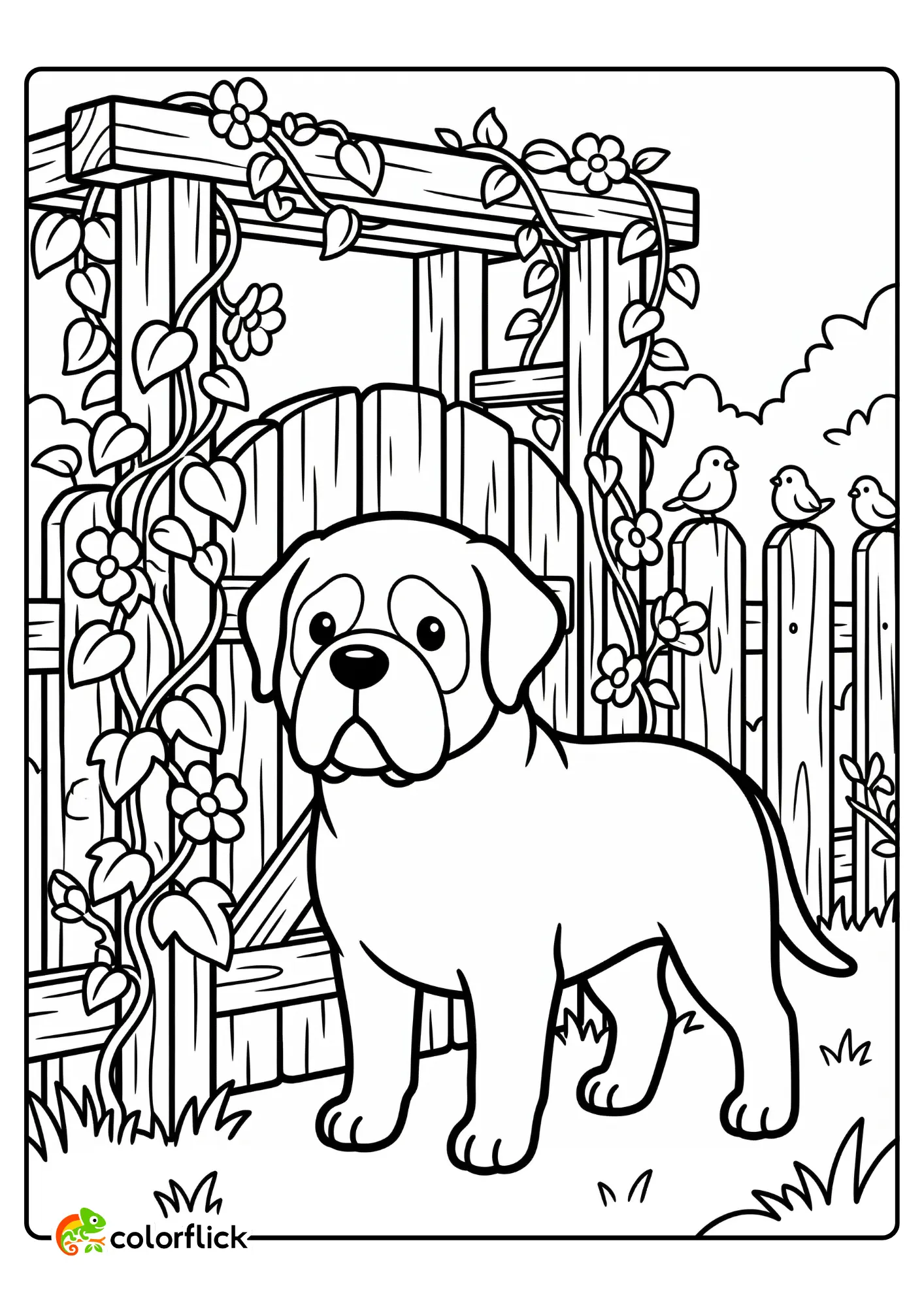
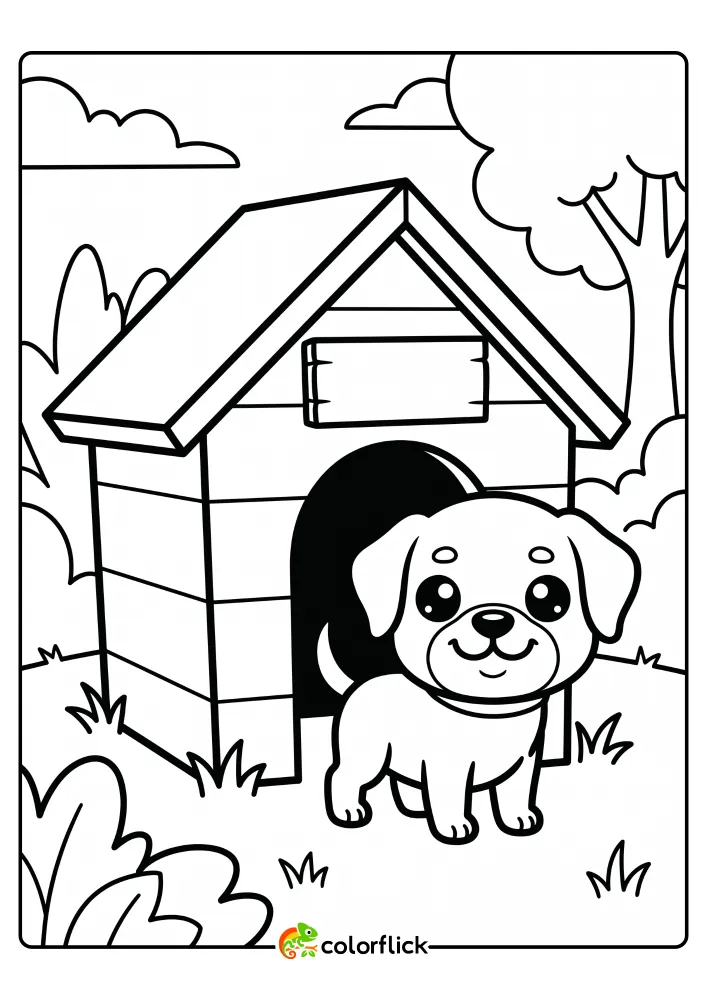
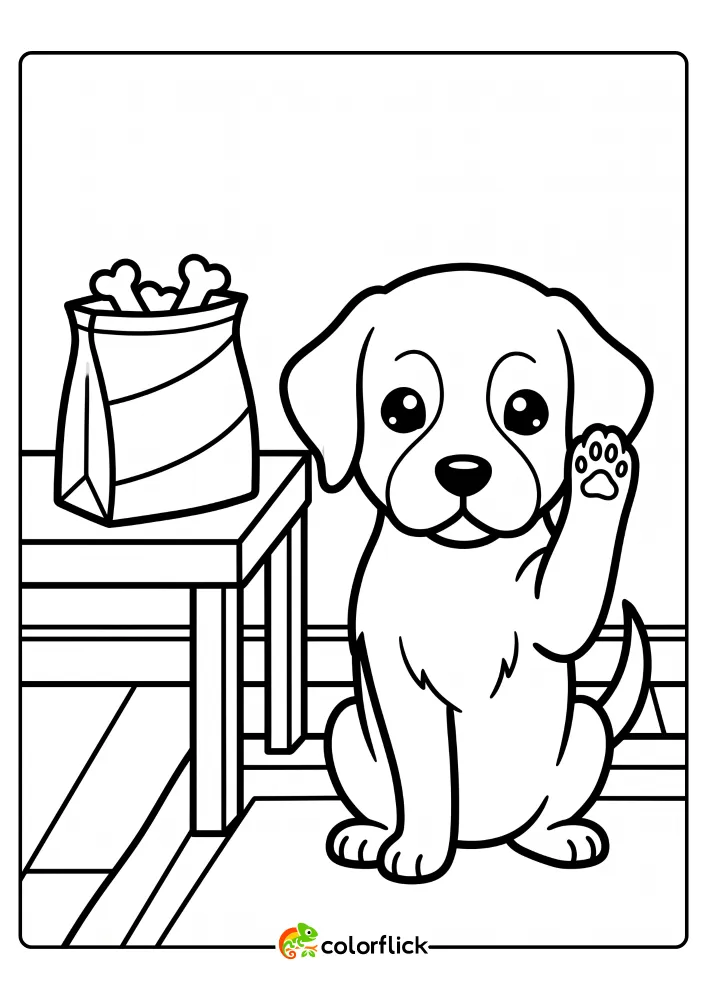
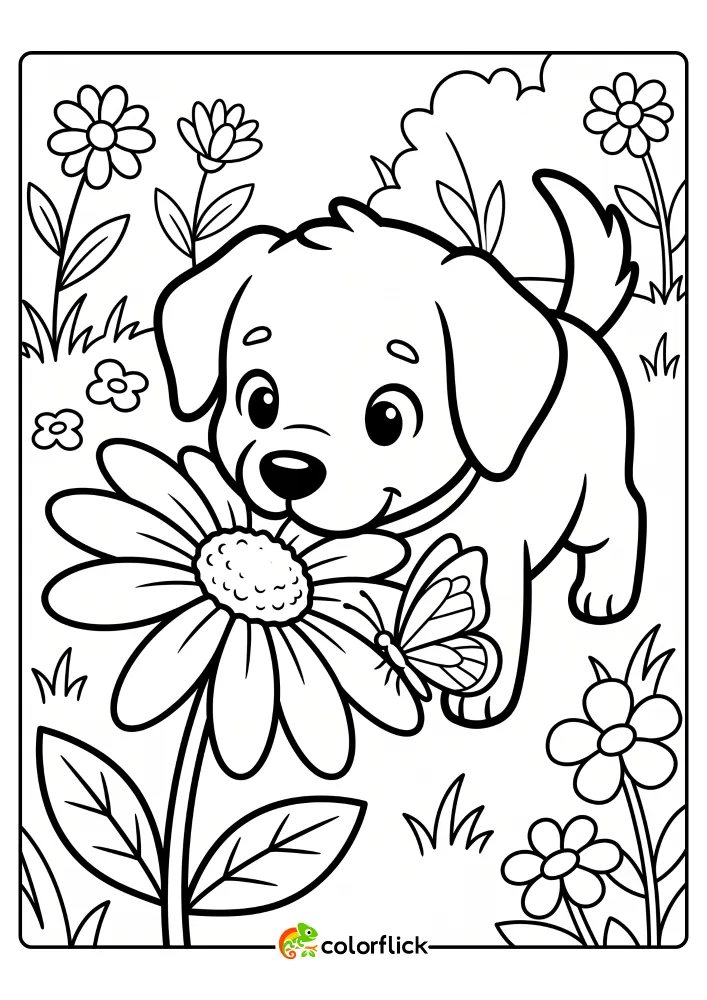
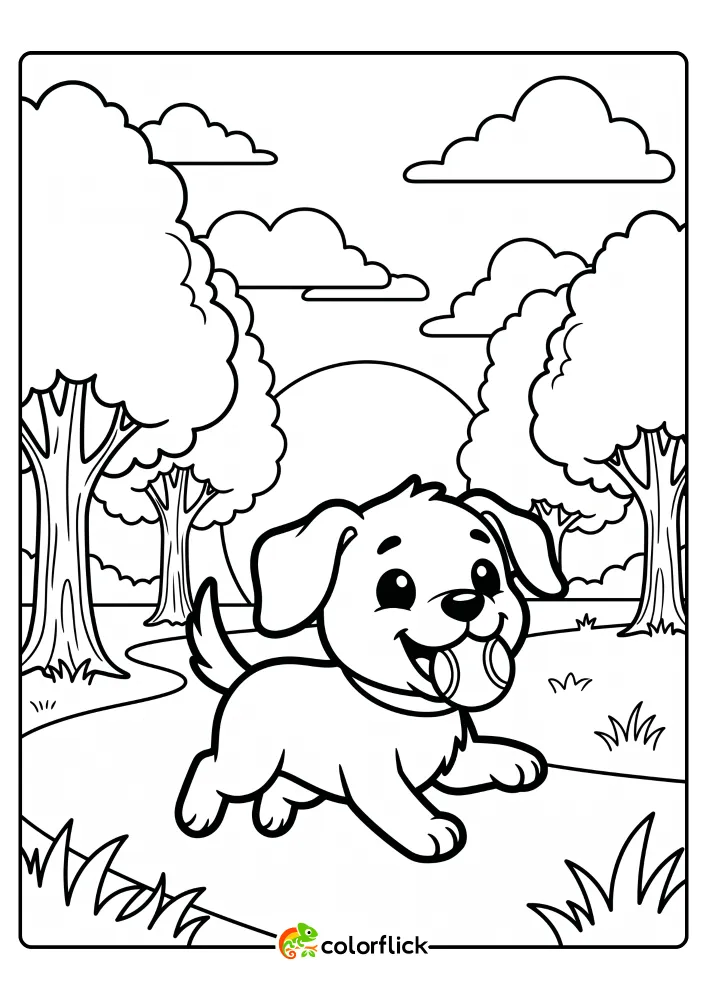
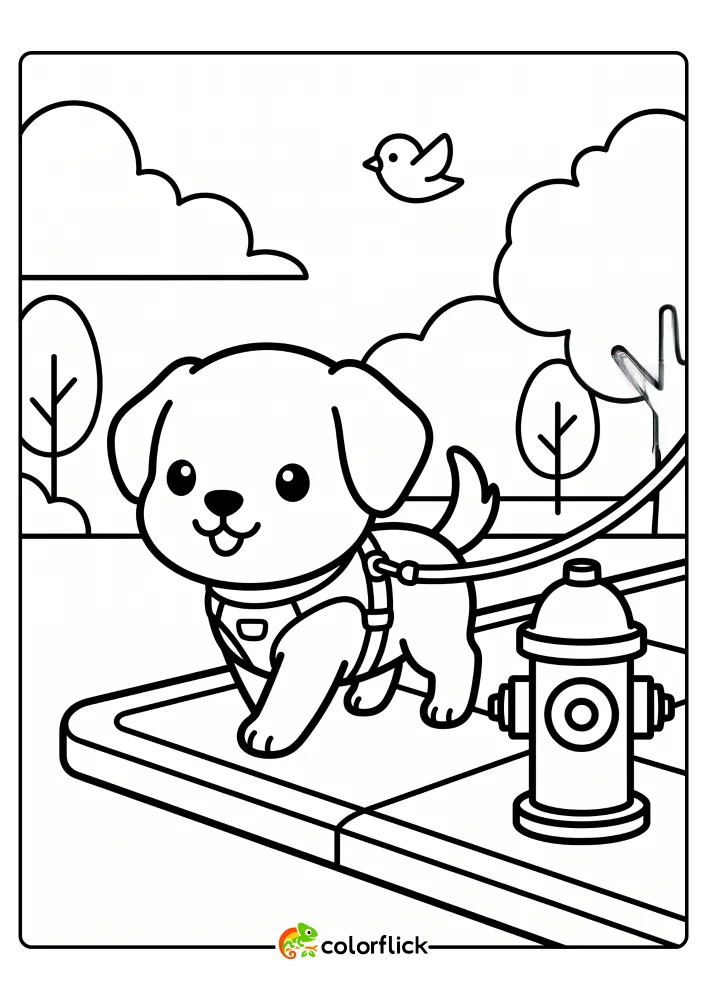
- A simple dog coloring sheet with thick outlines and large, open shapes (the simpler, the better)
- The heaviest paper you have — standard copy paper doubled up works fine
- A clipboard or a sheet of cardstock slipped underneath for a firm backing
The 4-Step Calm-Down Coloring Hack
None of these steps take more than a moment to set up, and the difference in how the activity lands is immediate.
1. Print on the Heaviest Paper Available — or Double Up
Choose the largest, most open dog shape you can find — a big round puppy body with minimal interior detail is ideal. Print it on cardstock if you have it, or simply clip two sheets of regular paper together before handing it over. Because thicker paper absorbs marker ink rather than letting it push straight through, the toddler can press as hard as they like without ruining whatever is underneath — which means you stop hovering, and they gain real independence.
2. Slide a Clipboard or Cardstock Underneath
Before the child picks up the marker, slip a piece of cardstock or a clipboard beneath the sheet. A wobbly page on a soft surface makes staying inside shapes even harder. With a firm, flat backing, the marker glides smoothly, strokes feel more controlled, and the child’s confidence goes up almost immediately.
3. Hand Over One Chunky Marker and Point to the Biggest Shape First
Place a single large washable marker in front of them — not the whole set — and gently tap the biggest section of the dog (usually the body). Giving one tool and one starting point removes the decision paralysis that often stalls toddlers at the beginning. Once they’ve filled that first large area, offer the next color for the next section. Chunky washable markers for toddlers are especially forgiving: they produce bold, satisfying strokes with almost no pressure, so even a loose grip produces a visible result.
4. Set a One-Minute Timer and Celebrate What’s Done
When attention starts to drift — and it will, because toddlers — a small timer reframes the activity. “Let’s see how much we can fill in before the beep!” turns coloring into a game with a natural, pressure-free endpoint. When the timer goes off, the focus shifts to praising what was completed, not what was left blank. This keeps the activity feeling like a success every single time, which makes the next coloring session easier to start.
The “Display It” Trick That Makes Them Want to Do It Again
Once the page is done, don’t let it disappear into a pile. Punch two holes at the top, thread a short piece of ribbon through, and hang the finished dog coloring page at the toddler’s eye level on a wall, door, or low shelf. Seeing their own work displayed — at their height, not adult height — creates a burst of pride that naturally leads them back to the activity the next time they need something to do. It’s a one-minute finishing move that turns a single session into a habit.
Add One Word for an Easy Vocabulary Moment
If you want a gentle educational layer, write DOG or PUPPY in large, clear block letters at the bottom of the page before printing. Point to it as you hand over the sheet and say the word once — that’s all. For toddlers beginning to connect spoken words with written text, this kind of low-pressure label on dog pages with words and tracing does quiet work without turning playtime into a lesson.
For more simple printable dog coloring pages and the full collection of animal sheets, browse the more pet and dog printables to keep the activity going on the next rainy afternoon.
Ready to Hand It Over
Print it, back it, hand over one marker, set a timer, and hang the result. That’s the whole system. Simple dog coloring sheets aren’t a lesser option — for toddlers, they’re the right option, and a finished page in two minutes beats an abandoned one every time.