
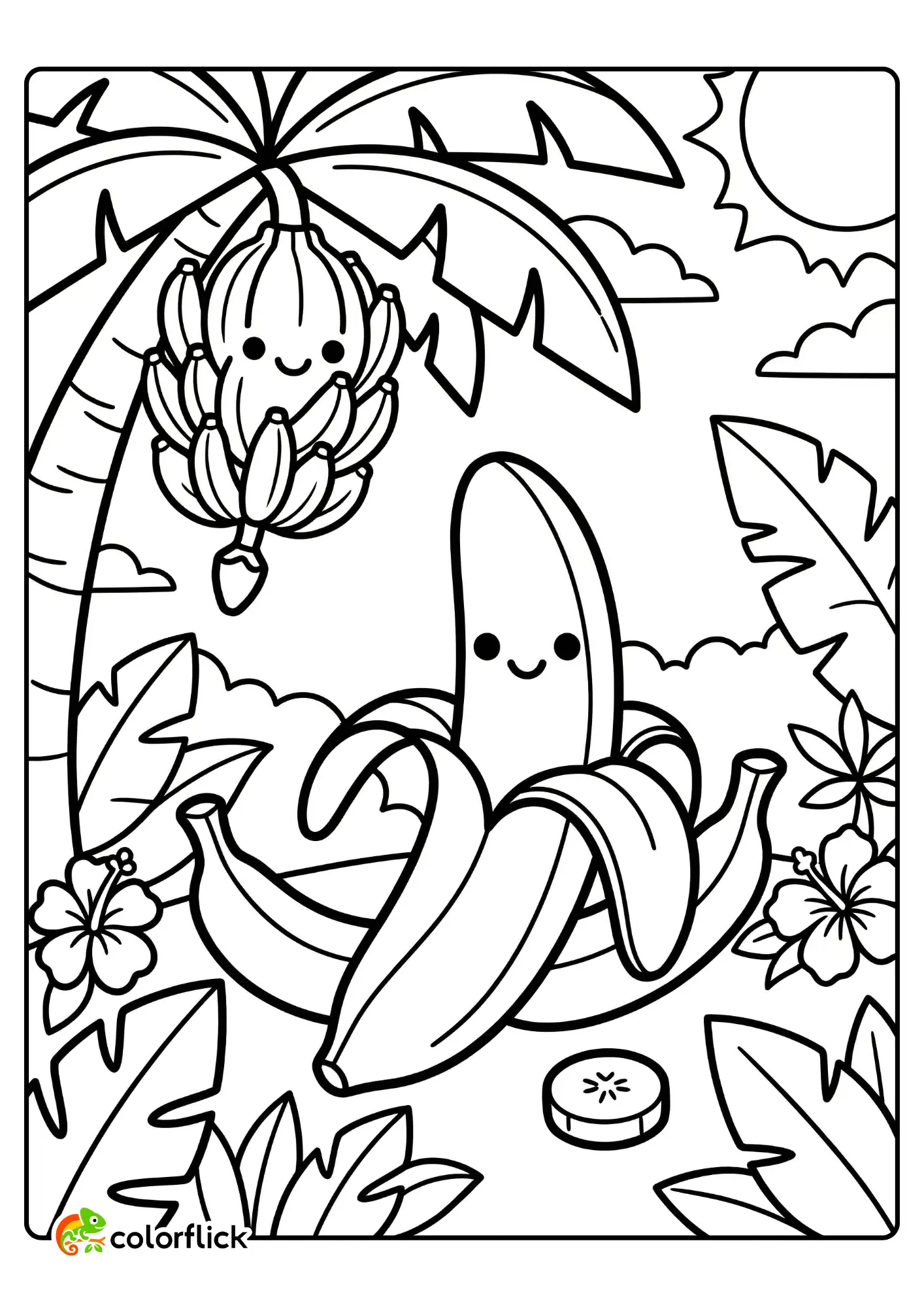
Picture this: it’s a sunny afternoon, the kind where the kitchen smells like ripe fruit and your little one is bouncing with energy.
You peel a banana, hand half to them, and suddenly they’re asking — why is it curved? Why does it turn brown? Do monkeys really love these?
That’s the magic of bananas. They’re not just a snack. They’re a conversation, a science lesson, and a tiny yellow doorway into the natural world.
And now? They’re also a coloring adventure.
These banana coloring pages bring that same wonder straight to the table. As kids fill in golden peels, lush tropical trees, and towering sundae toppings, they’re quietly building focus, fine motor skills, and a surprising amount of fruit knowledge — all while having a genuinely great time.
This collection is a living, growing gallery — new designs are added regularly to keep things fresh (just like the fruit!). Bookmark this page now, because your child’s favorite banana scene might be just one visit away.
Every page here is completely free. Print one, print all of them, come back next week for more.
Peel It Back: Step Into the World of the Wonderful Banana
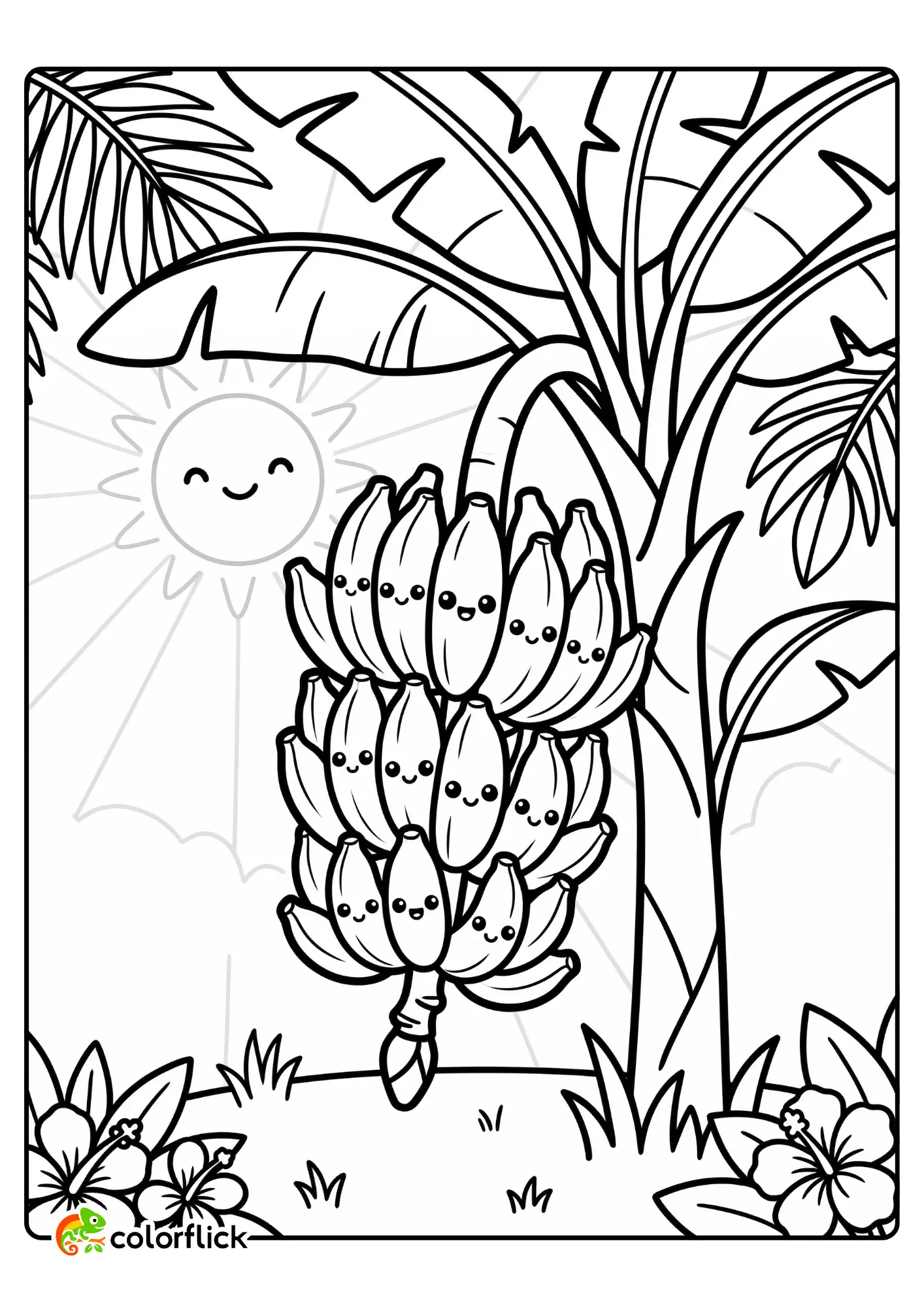
The story of a banana starts long before it reaches your fruit bowl. Imagine standing in a warm, breezy tropical grove, where enormous leafy plants tower overhead and heavy clusters of fruit hang in the dappled sunlight. Here’s something that might surprise you: bananas don’t actually grow on trees. They grow on the world’s largest flowering herbs — giant plants that look tree-like but are technically something far more extraordinary.
Each banana grows in a bunch, which is a group of bananas clustered together on a single stem. Before it’s ready to eat, the banana wears a firm green peel — a thin but protective skin you remove to reach the soft, sweet pulp inside. That pulp starts firm and starchy, then slowly ripens to the familiar yellow sweetness we all know. Incredibly, a single bunch can weigh up to 100 pounds when fully ripe, and bananas actually grow pointing upward toward the sun before bending into their signature curve.
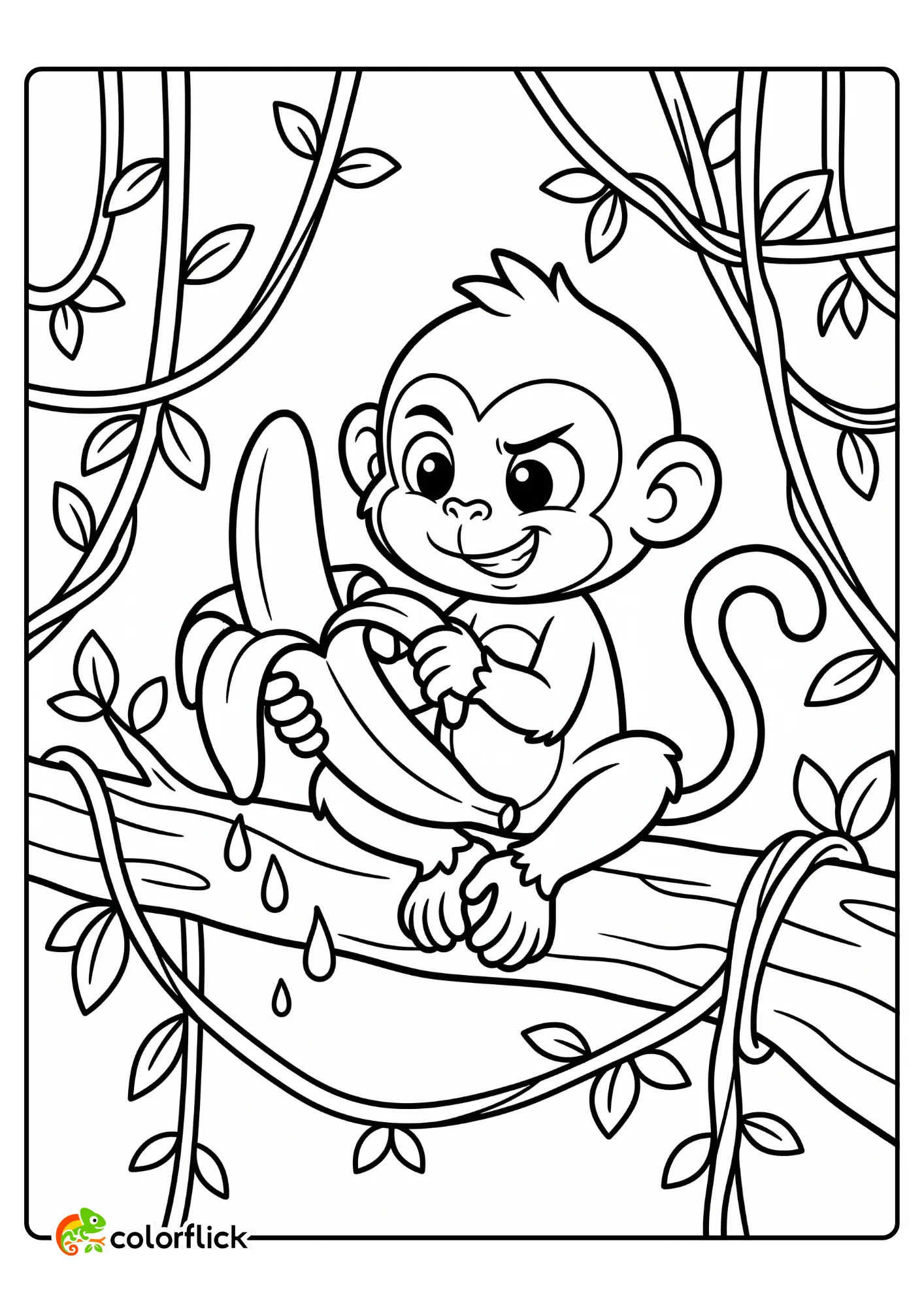
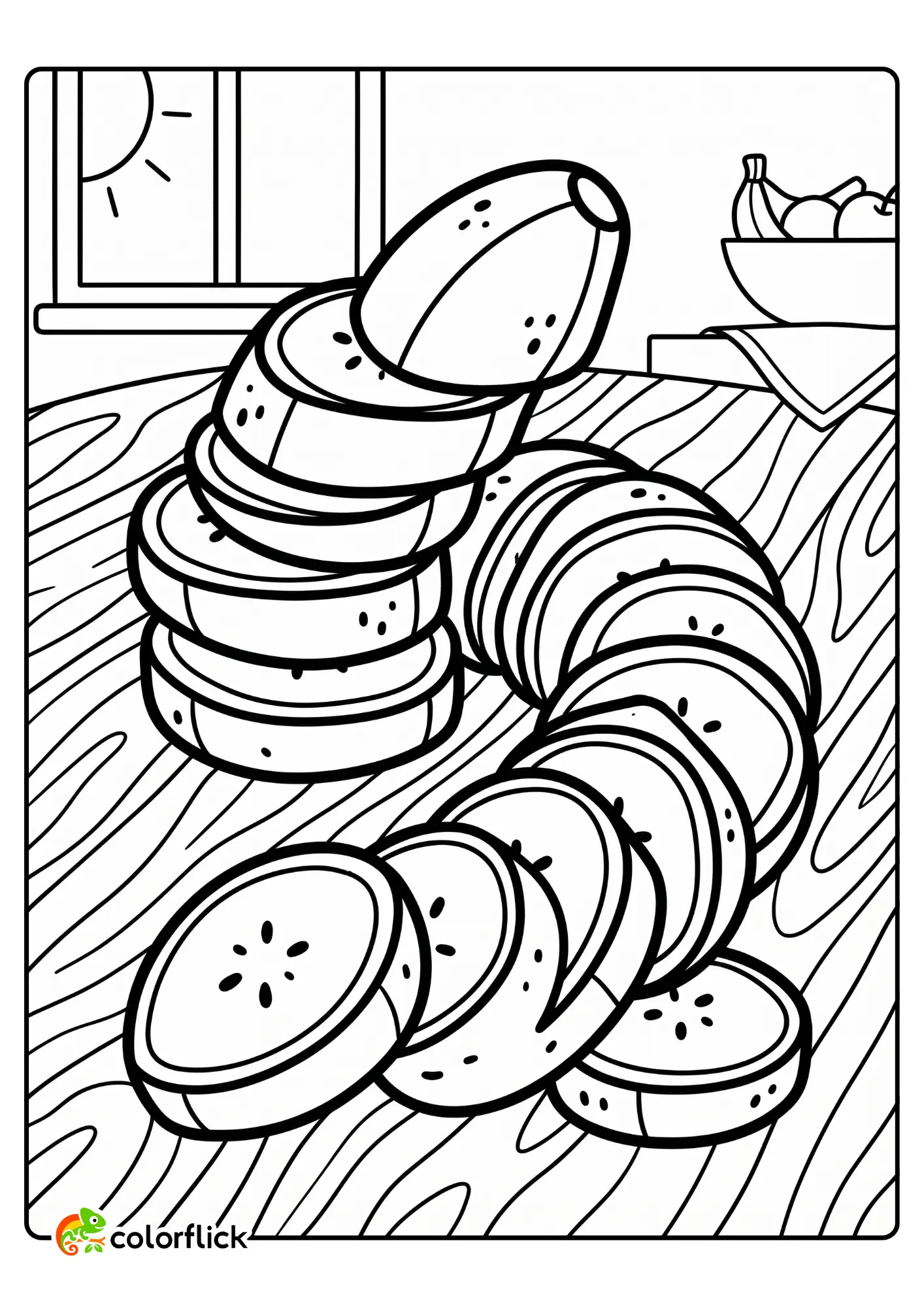
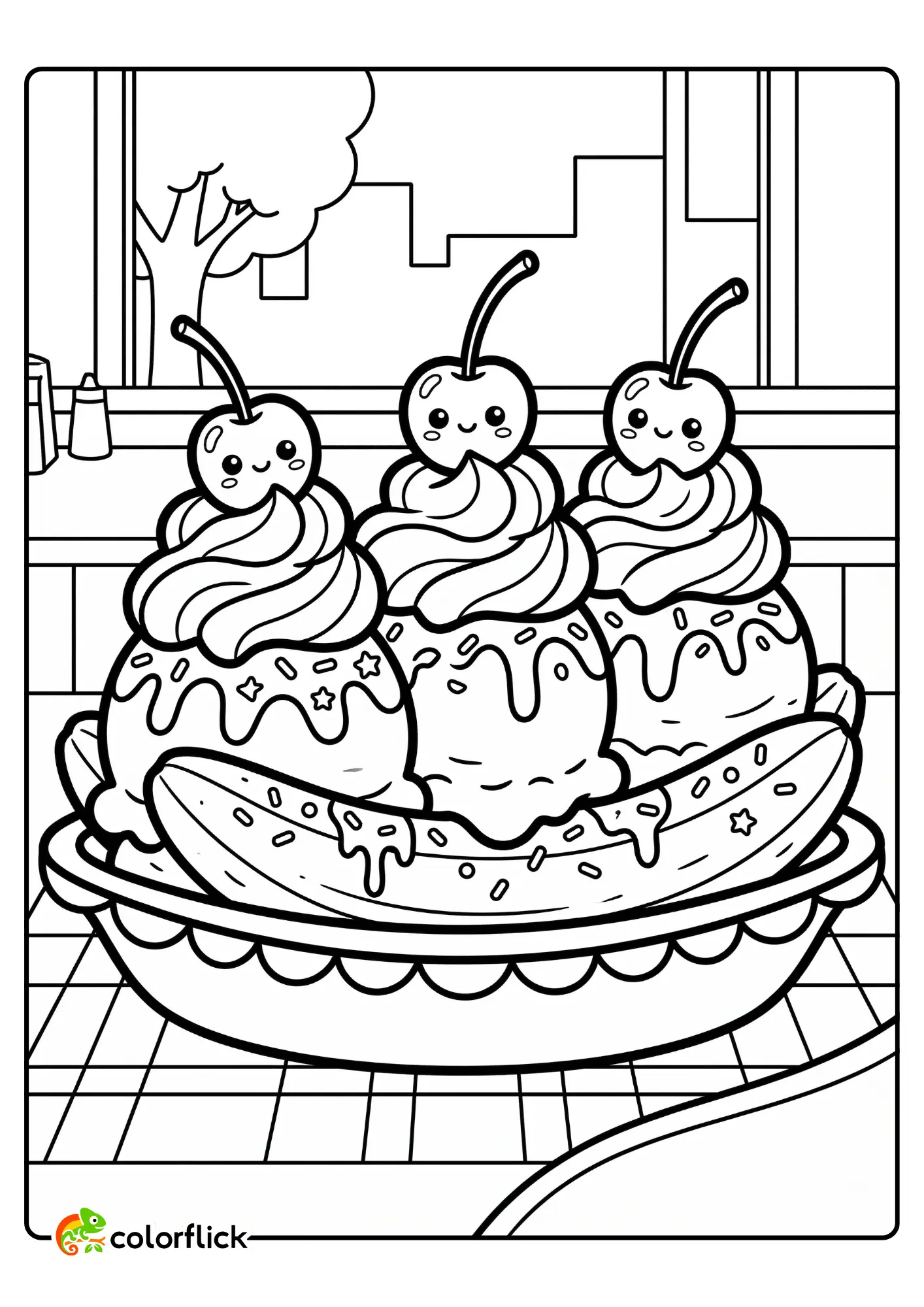
Now picture a cheeky monkey perched on a jungle branch, peeling a banana from the bottom — which, fun fact, is the way it naturally breaks off and exactly how monkeys do it in the wild. Wild monkeys can eat up to 50 bananas a day for energy! Then zoom in on a wooden table where perfectly cut banana slices lie in a spiral, their creamy white interiors dotted with tiny speckles — those little brown spots that tell you the banana is at peak sweetness. And to crown the whole adventure? A glorious banana split — a whole banana halved in a boat dish, piled high with sundae toppings, billowing whipped cream swirls, bright cherries, and rainbow sprinkles. This classic treat was invented way back in 1904 for just 10 cents, and it’s still the most joyful way to end a banana’s journey from vine to table.
The Biggest Myth About Bananas
Ask almost anyone — child or adult — where bananas grow, and they’ll confidently say: on a banana tree!
It’s one of the most widespread food myths on the planet. And it’s completely wrong.
Bananas grow on giant herbs — the largest flowering plants in the entire world. The tall, sturdy “trunk” you see in a plantation isn’t woody at all. It’s made of tightly packed leaf stems, which means the whole structure is technically soft tissue, not bark.
This makes the banana plant one of the fastest-growing plants on Earth. A new “trunk” can sprout from the same underground root system after each harvest, which is why banana farms stay productive for decades without replanting.
When kids color the plantation scene, you can ask them: “Does this look like a tree to you? What do you think makes it different?” That single question can spark a whole afternoon of discovery.
Knowing the truth makes the coloring page even more exciting — because now they’re not just coloring a tree. They’re coloring one of nature’s greatest surprises.
Get Crafty: Turn Your Colored Page Into a Banana Planter
This one is for the days when coloring isn’t quite enough and little hands need a project.
After your child finishes coloring the banana bunch page, don’t set it aside — turn it into something alive.
What you’ll need: The finished coloring page, a clean plastic bottle, potting soil, and a length of yarn or twine.
Here’s what to do:
Cut the bottom off the plastic bottle to create a small planting cup. Wrap your child’s colored banana page around the outside of the bottle and secure it — now it’s a custom, hand-decorated planter. Fill the inside with a little potting soil, then use the yarn to create a hanging loop at the top. Hang it near a sunny window and plant a small herb like basil or mint inside.
Every time your child waters their little herb garden, they’ll see their own artwork proudly on display.
It’s a beautiful way to connect coloring to nature, creativity to responsibility, and a finished page to something that keeps on growing — just like bananas do.
Your Banana Adventure Is Just Getting Started
These banana coloring pages are more than a rainy-day activity — they’re a toolkit for curiosity, creativity, and some seriously fun conversations at the kitchen table.
Download your favorites from today’s collection, print a stack, and let the coloring begin. Whether your little one gravitates toward the wild jungle monkey, the towering plantation, or the glorious ice cream sundae, there’s a scene here that will spark something wonderful.
And remember — this gallery grows! New banana-themed designs are added regularly, so bookmark this page and come back soon. The next page could be exactly what your child has been waiting to color.