Imagine standing at the edge of a snow-dusted mountain peak, hearing nothing but wind and the distant rush of a waterfall below. Now imagine handing your child a single pencil and watching their eyes light up as they decide what color that mountain should be.
That is the quiet, wonderful magic of landscape coloring pages — and this guide is packed with it.
In the sections ahead, you’ll explore five richly detailed landscape worlds: towering mountain forests, sun-kissed shorelines, dramatic desert canyons, golden countryside farmlands, and electric city skylines. Along the way, your child will pick up genuine geography vocabulary, absorb fascinating science facts, and quietly develop fine motor skills, color theory instincts, and patience — all while thinking they’re “just coloring.”
Every single page in this collection is available as a free printable, perfectly formatted for standard A4 and US Letter paper. Just click, download the easy PDF, and print in seconds. No sign-up, no hassle, no ink wasted on blurry previews.
Let’s dive in.
Majestic Mountain and Forest Landscape Coloring Pages
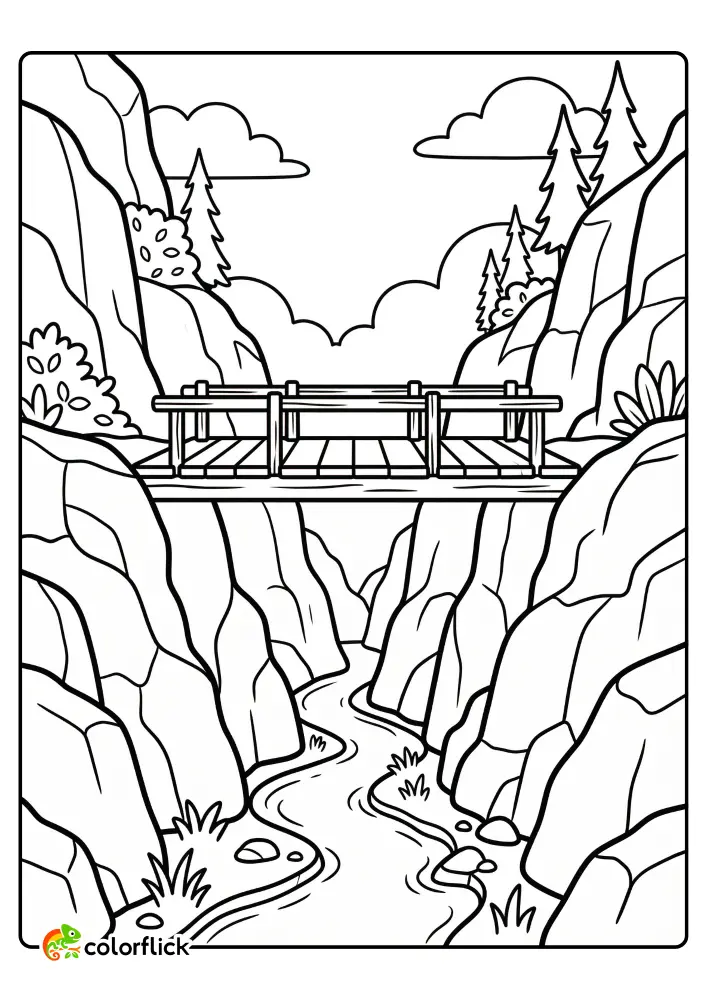
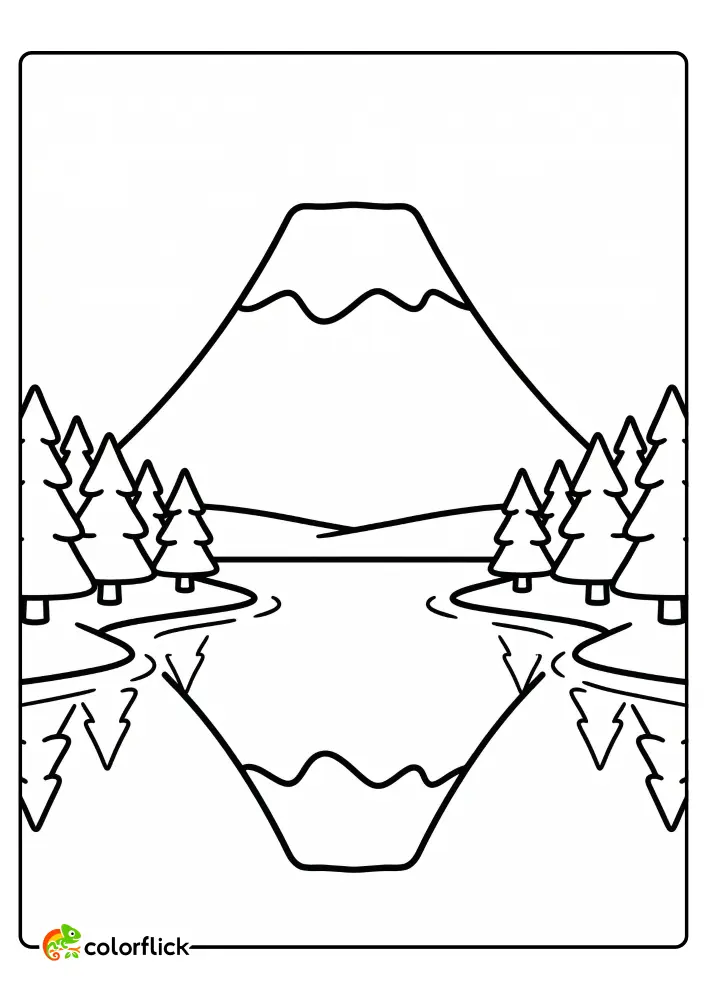
There is something primal about a mountain. It just sits there, ancient and enormous, daring you to climb it — and even a child who has never left the city can feel that pull the moment they pick up a crayon and start shading a jagged, snow-capped peak.
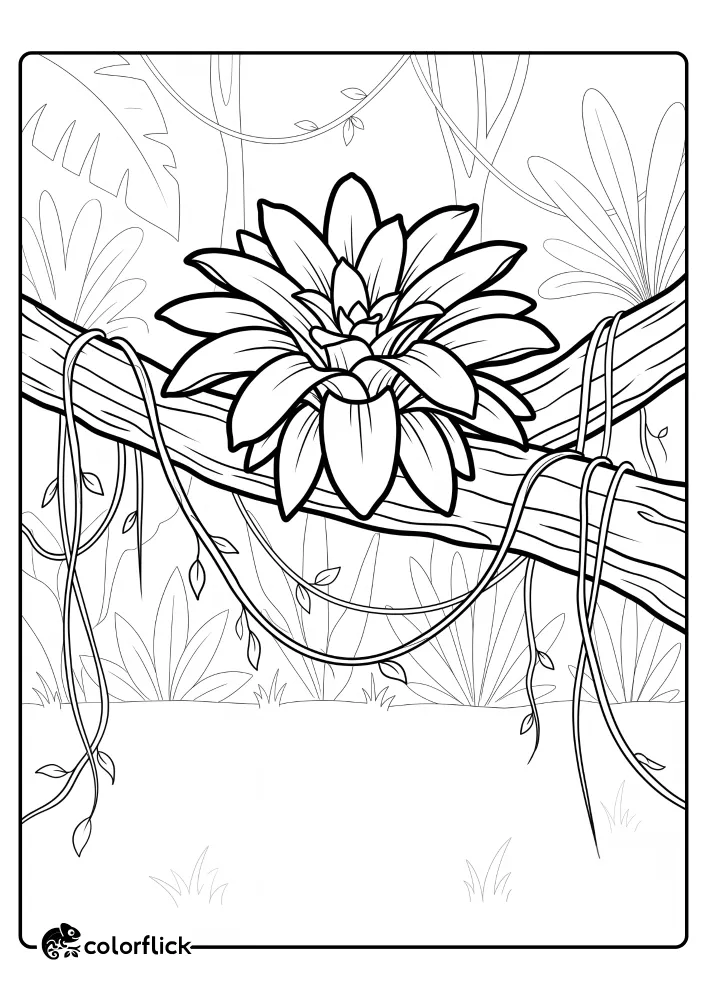
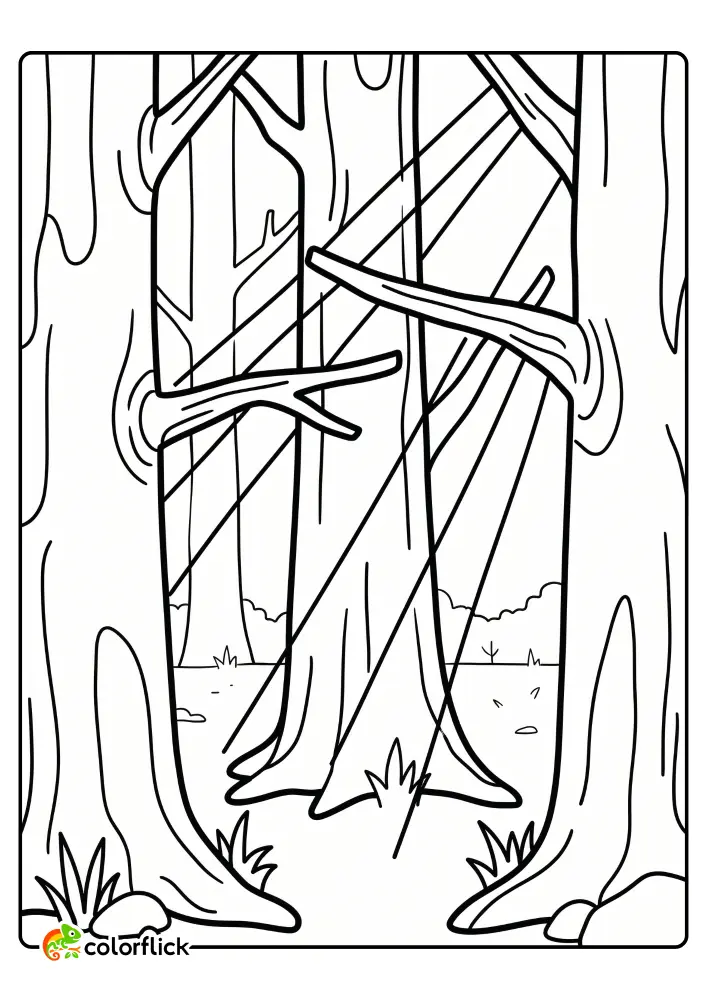
The forest surrounding those peaks is its own world entirely. In a real forest, the canopy — that leafy, living ceiling created by the interlocking tops of mature trees — filters sunlight into golden, dancing beams. Scientists have discovered that trees beneath that canopy actually communicate and share nutrients through an underground web of fungi, a secret network that keeps the whole forest healthy and connected. It sounds like something from a fantasy novel, but it is completely true.
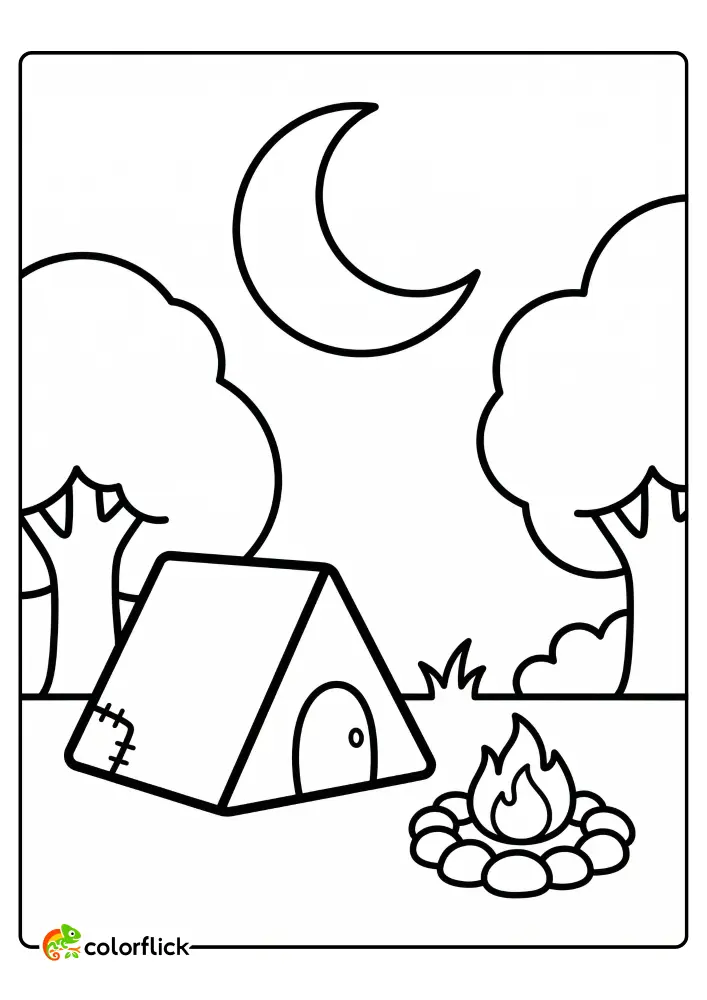
When a child colors a forest clearing with a glowing campfire and owl silhouettes in the branches overhead, they are instinctively learning about ecological layers — ground, understory, and canopy — without a single worksheet in sight. Many of the world’s most breathtaking mountains are, in fact, ancient volcanoes that have been dormant for thousands of years, adding a hidden drama to every peaceful snowy peak your child renders in white and silver.
Serene Beach and Coastal Landscape Coloring Pages
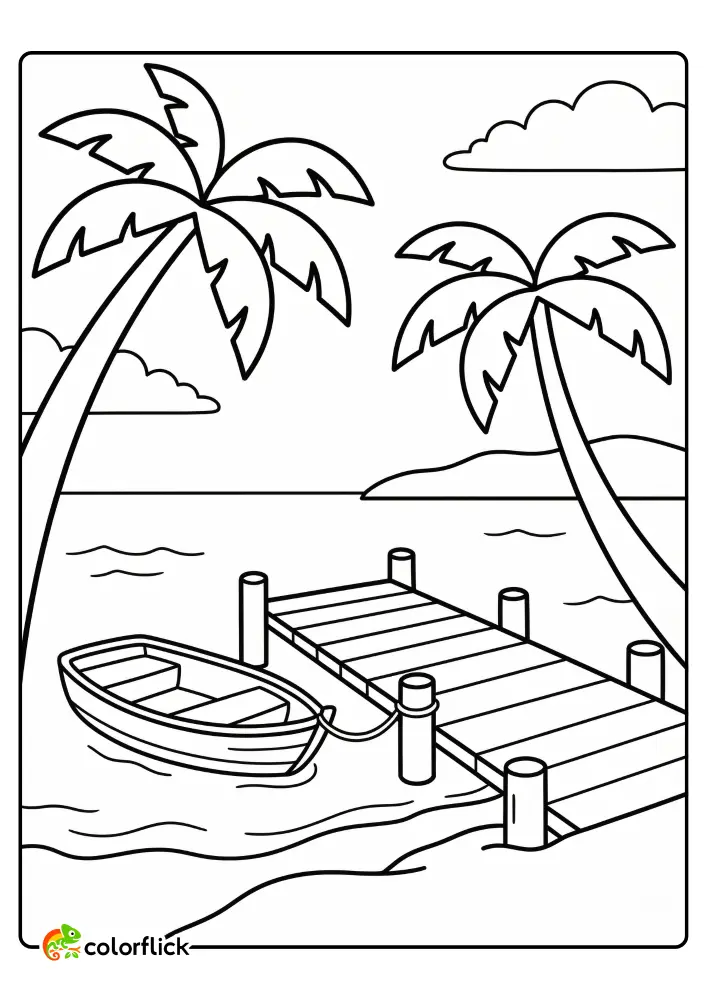
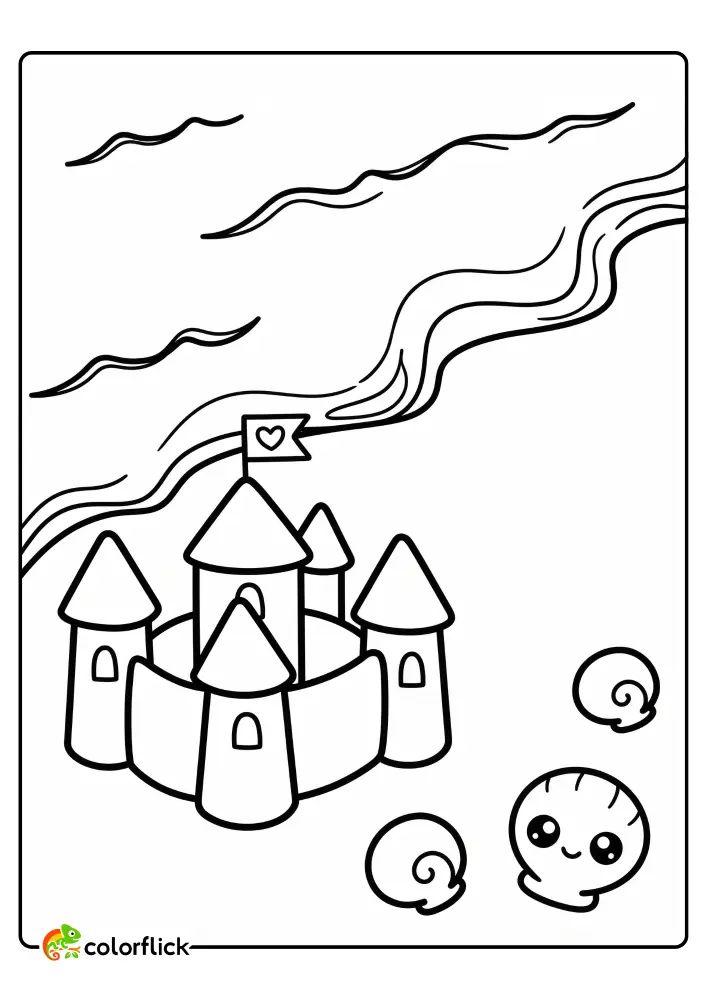
The moment a child sees the horizon — that clean, impossibly straight line where the sky seems to reach down and press itself against the water — something in them goes very still. The beach has that effect on people of all ages. It is one of Earth’s most naturally meditative landscapes, and coloring it is practically therapy.
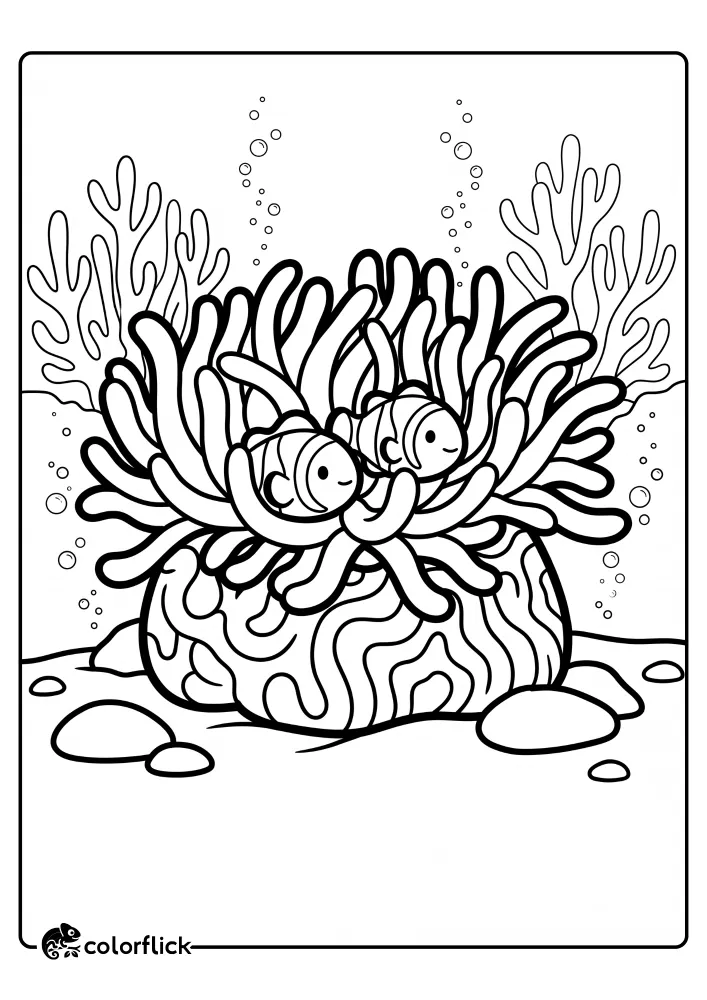
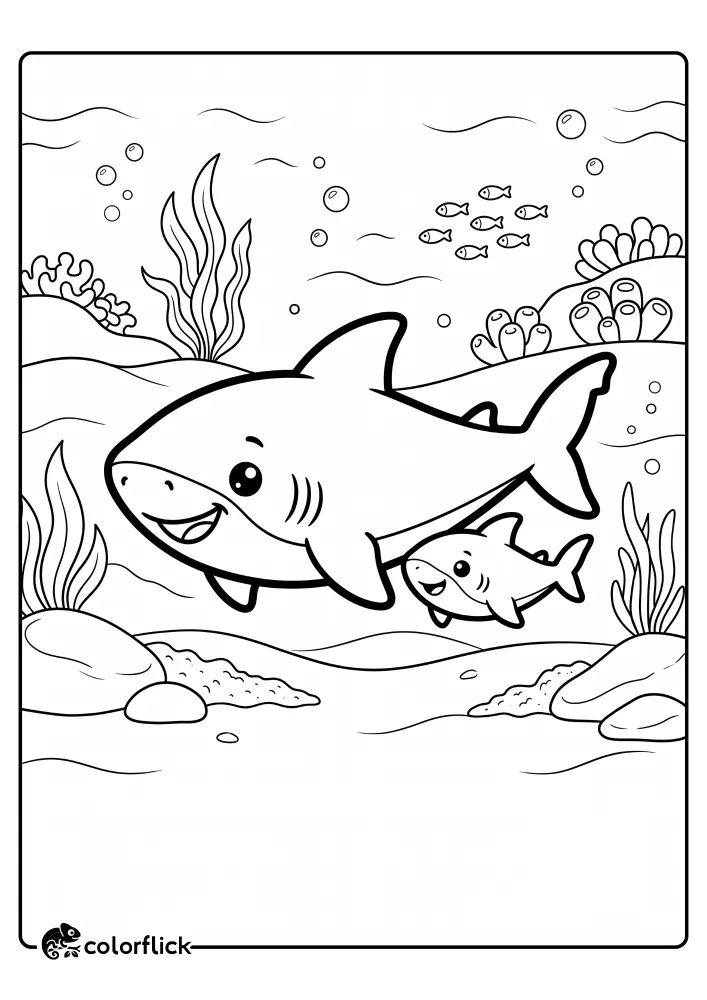
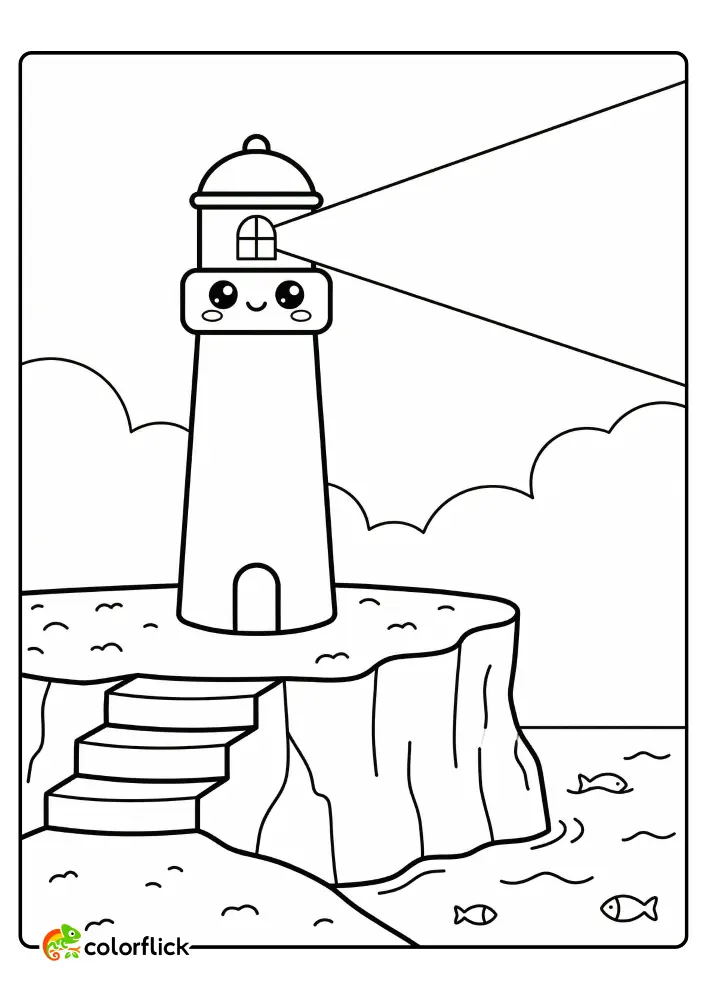
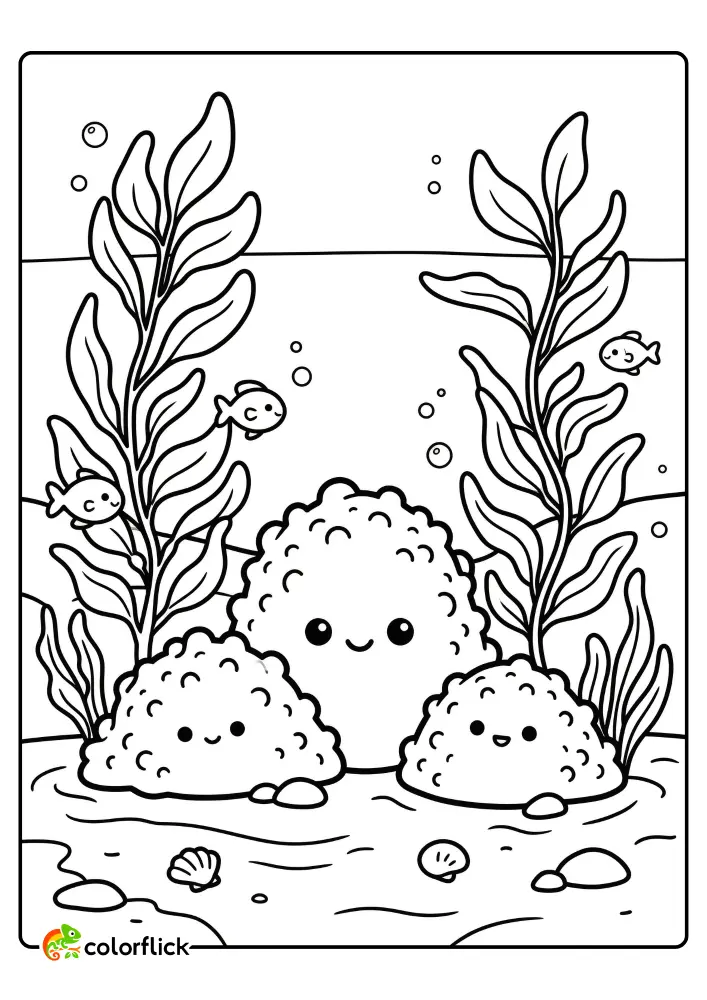
What makes coastal scenes so endlessly rich for coloring is the sheer variety of textures: the swirling pattern of a wave about to break, the bumpy surface of a weathered lighthouse, the rough geometry of a coral reef, the pocked surface of wet sand. Speaking of sand — did you know it is not just “dirt”? Sand is actually composed of millions of tiny, pulverized fragments of rock and crushed seashells, ground down by ocean waves over millions of years. Every grain has a story.
The ocean itself is staggering in its scale. Earth’s oceans contain roughly 97% of all the water on the entire planet, shaped by the gravitational pull of the moon, which drives the slow, rhythmic rise and fall we call the tide. A lighthouse standing watch on a dramatic cliff edge isn’t just a pretty image — it is a piece of human infrastructure built specifically to fight that power, to guide sailors safely through turbulent water and rocky shoals. All of that history lives inside a single coloring page.
Breathtaking Desert and Canyon Landscape Coloring Pages
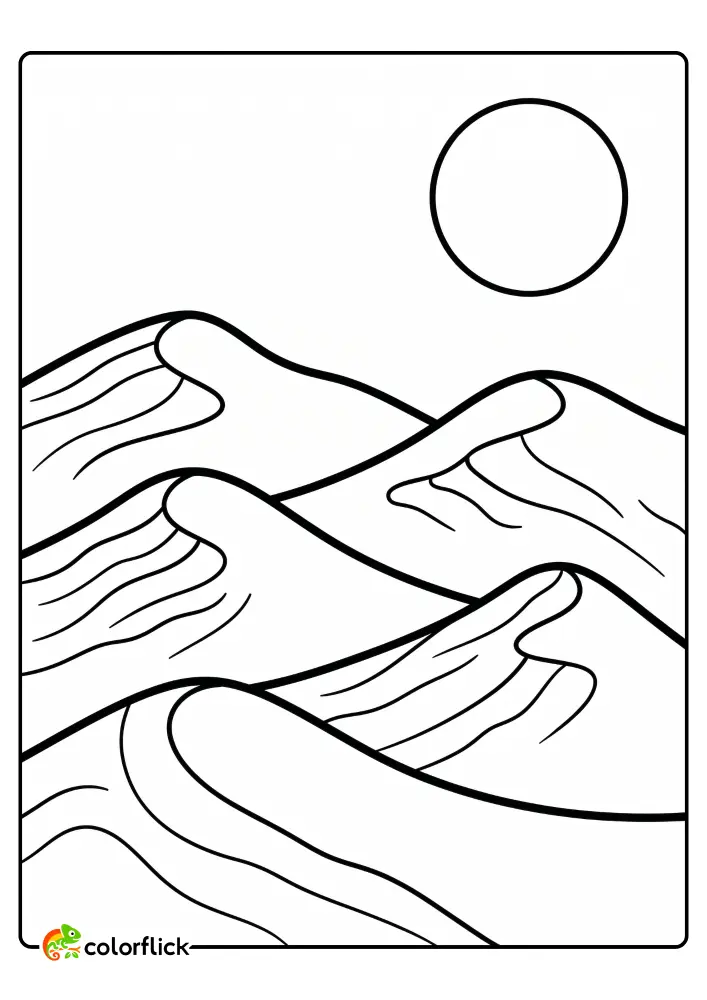
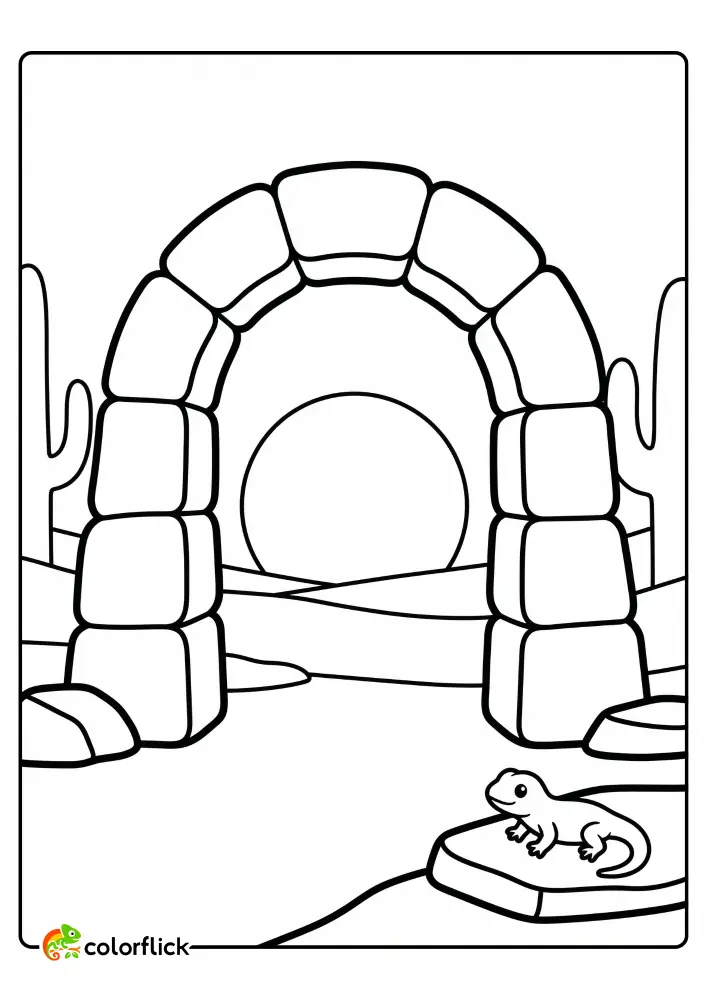
Deserts are the great humbling landscapes. They strip everything back — no trees, no rivers, no noise — and force the eye to focus on pure, sweeping form. And yet, they are teeming with life hiding in plain sight.
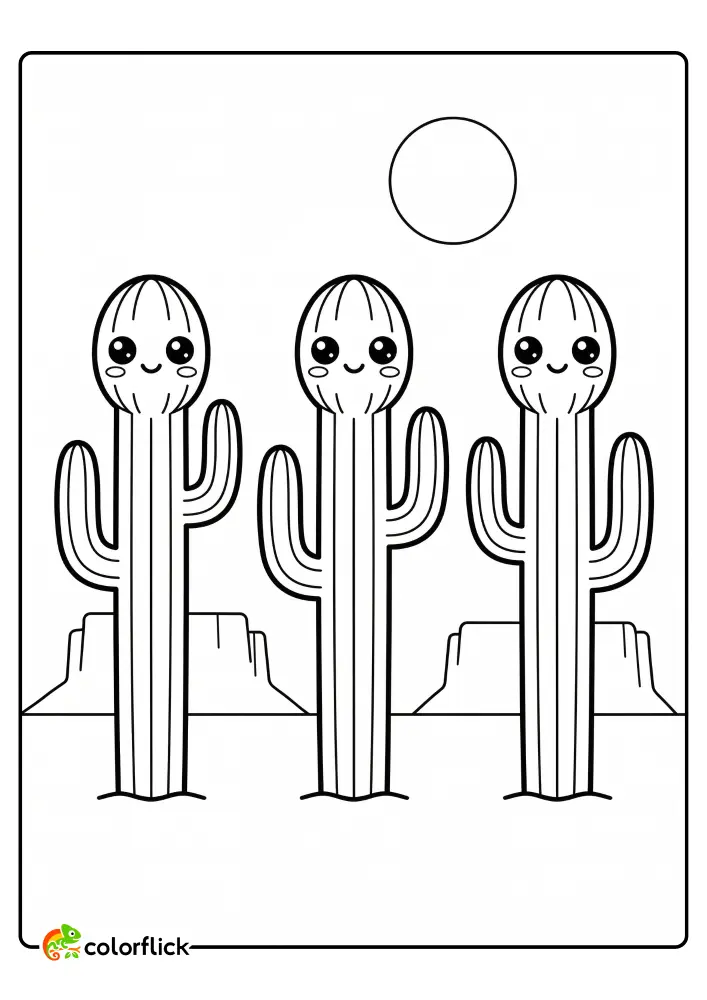
The most iconic desert plant, the towering Saguaro cactus, is a masterpiece of biological engineering. A fully grown Saguaro can swell its trunk like a giant sponge to store hundreds of gallons of rainwater, sustaining itself through months of brutal drought. Meanwhile, an oasis — that rare, almost miraculous spot where underground water bubbles up through the dry earth — creates a tiny island of green in an ocean of sand and rock. These are extraordinary concepts to explore visually, especially when a child has to decide: how do I color something that barely has any water at all?
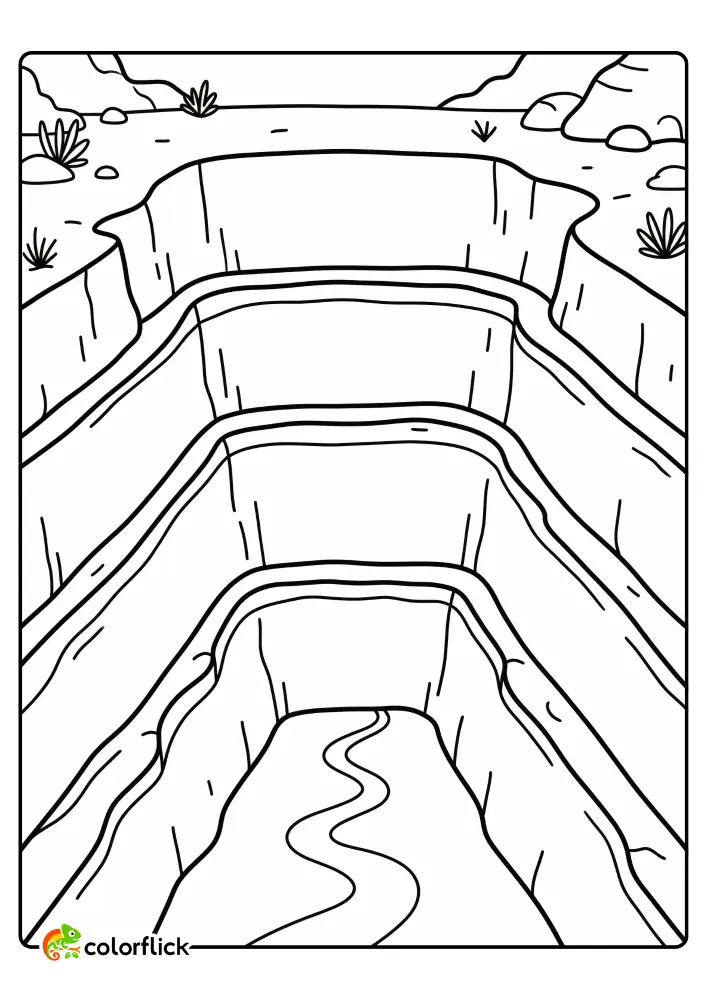
The canyon sections of this collection offer a different kind of wonder. A canyon is carved not in weeks or years but across millions of years, as a river patiently cuts through layer after layer of rock. Each visible horizontal stripe of color in a canyon wall represents a different era of geological time — ancient seabeds, volcanic ash layers, compressed riverbeds. And here is a fact that consistently astonishes children: not all deserts are hot. Antarctica is technically classified as the world’s largest desert, because it receives almost no precipitation at all.
Peaceful Countryside and Farm Landscape Coloring Pages
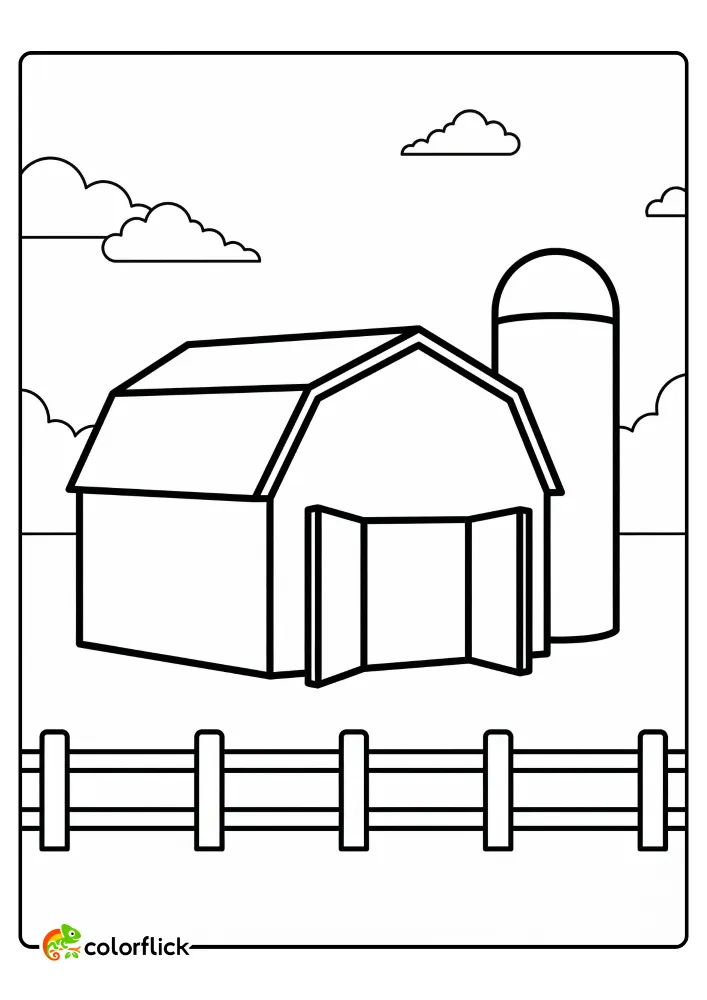
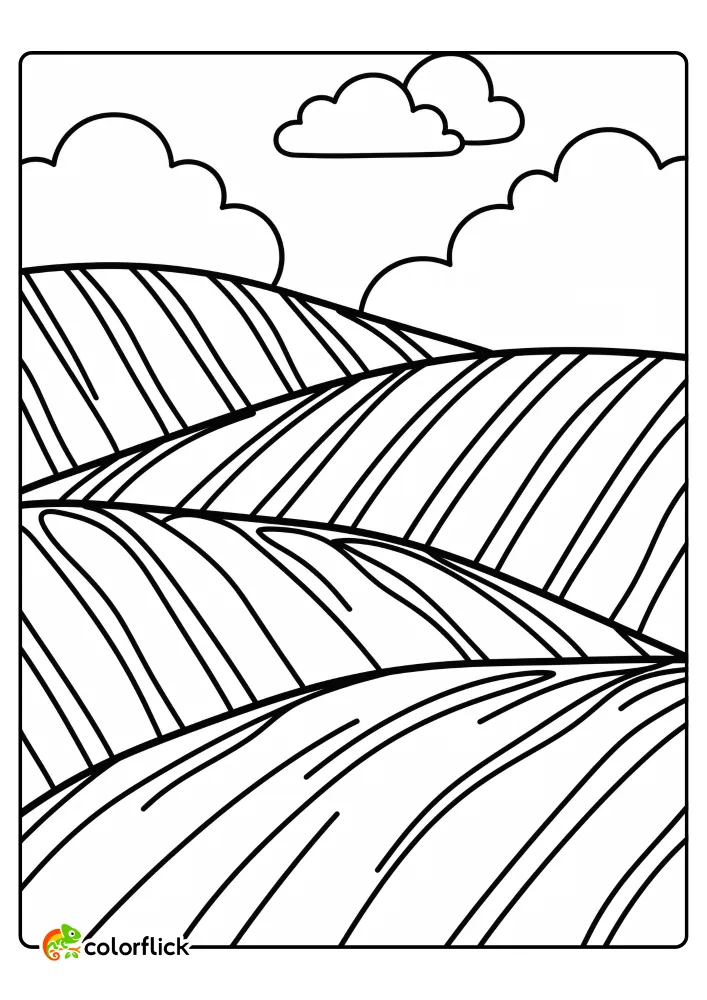
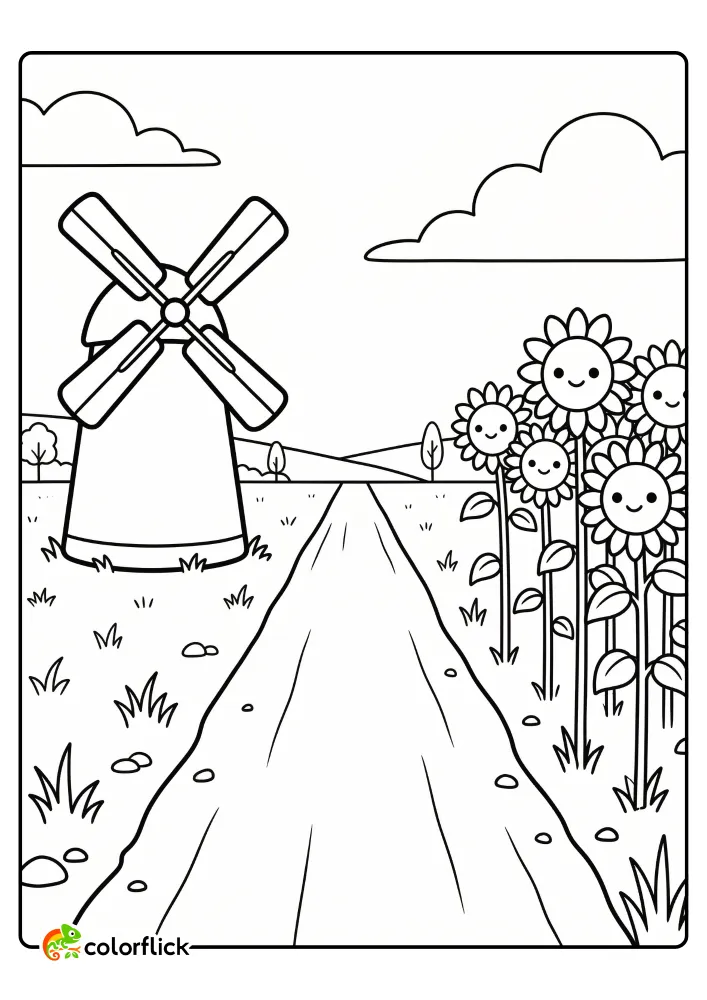
There is a particular kind of contentment that comes from the countryside — a feeling of things being in their right place, of cycles being honored and followed. Rows of crops curving over a gentle hill. A barn door swinging open onto a wide pasture. A dirt road disappearing around a bend past a field of sunflowers all tilting toward the light.
Agriculture — the daily, practiced science of growing crops and raising animals — is one of humanity’s oldest and most important stories. When children color a scene of rolling hills covered in geometric crop rows, they are looking at thousands of years of human ingenuity laid out across the land. A pasture, that open field of grass where cows and sheep graze freely, looks simple from a distance but is the result of careful land management passed down through generations of farming families.
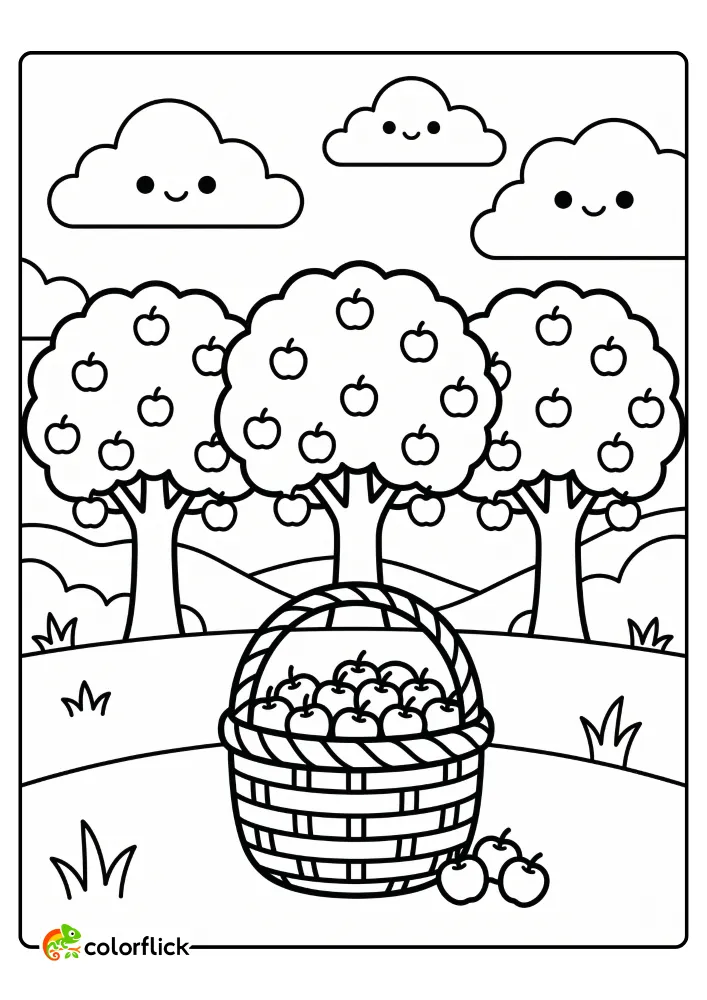
The fun facts here have a way of stopping children mid-stroke. It takes approximately four full months for a tiny corn seed to grow into a harvestable ear of corn — four months of rain, sun, soil, and patience made visible in a single coloring page. And the apple orchard scene, bursting with round, heavy fruit, represents just a tiny fraction of the more than 30,000 varieties of apples grown around the world, each one a slightly different shade of red, gold, or green just waiting to be chosen from a crayon box.
Bustling Cityscape and Urban Landscape Coloring Pages
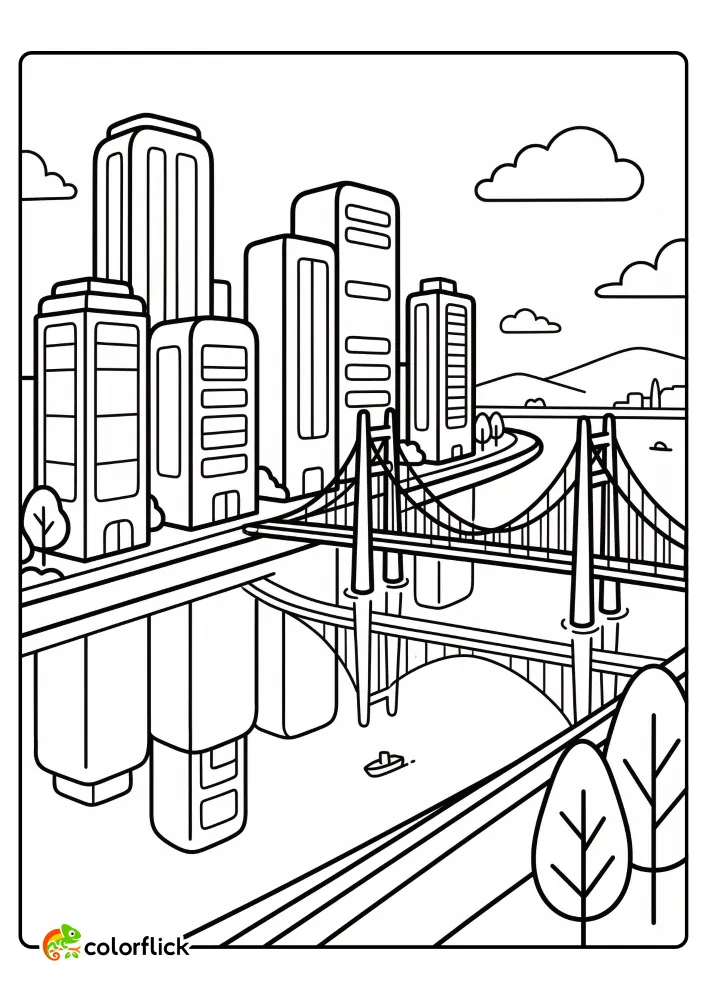
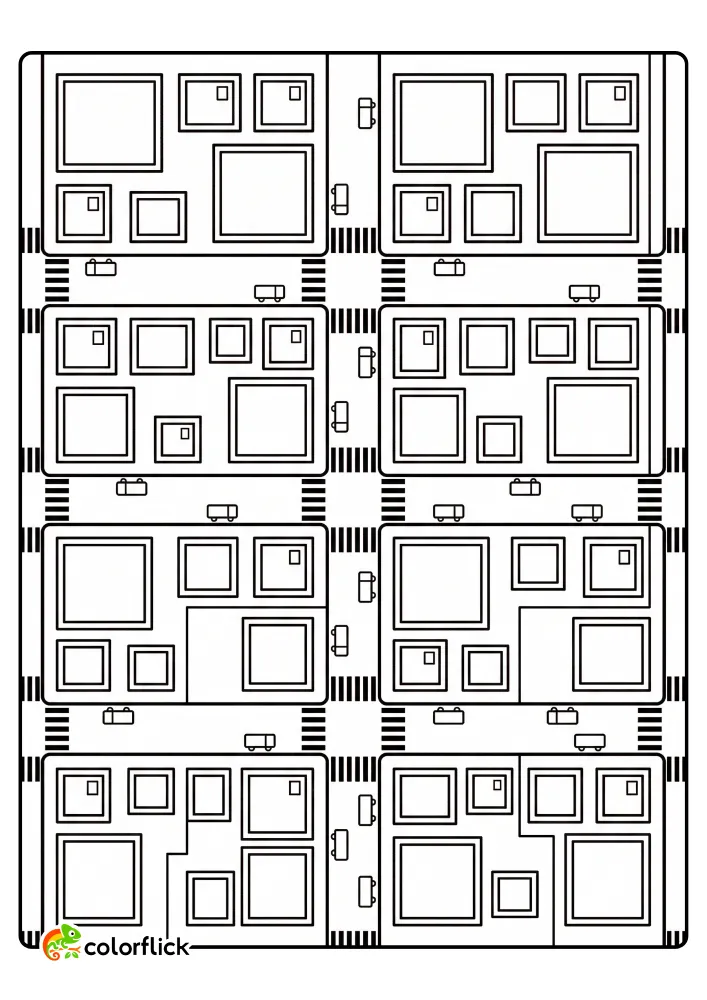
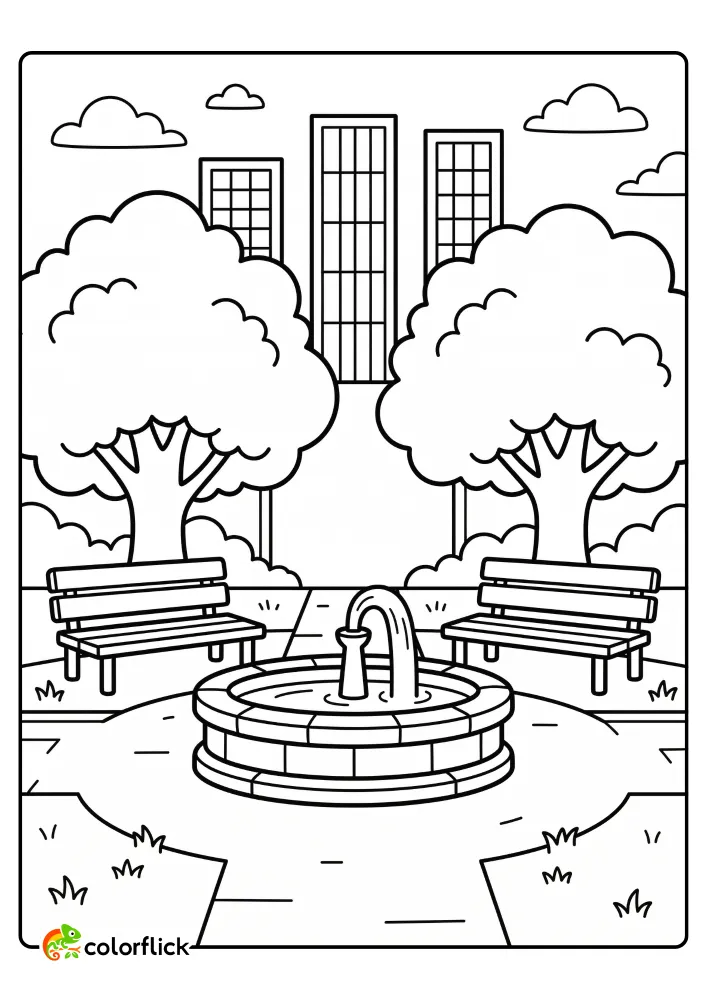
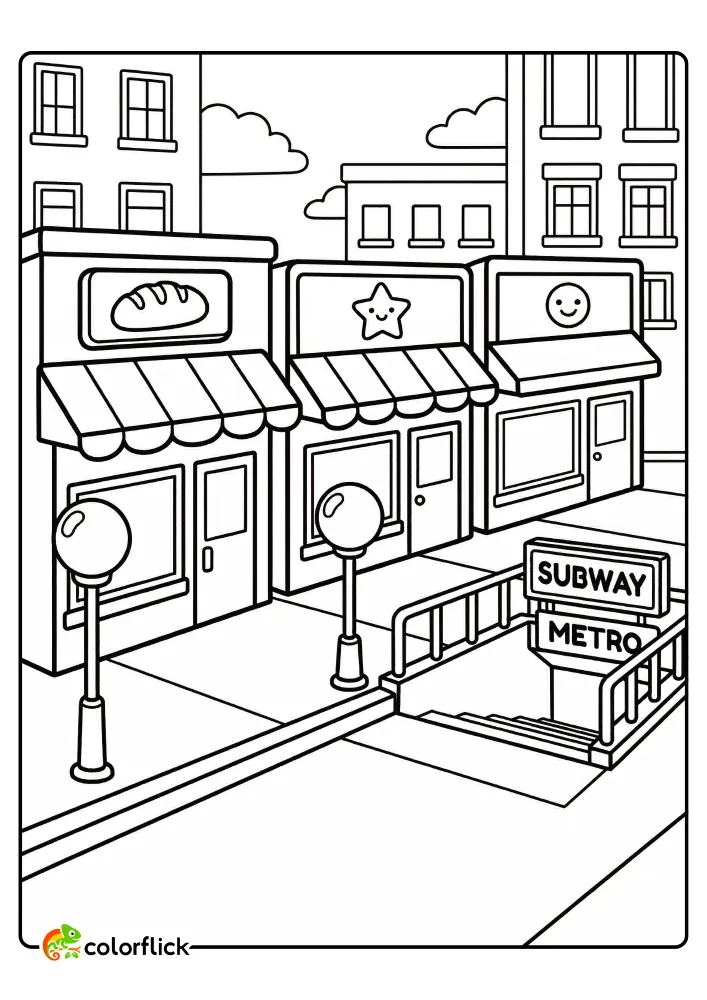
The city is the most human of all landscapes — every line of it intentionally drawn, every building the result of someone’s blueprint and someone else’s labor. And for children, the cityscape coloring page is often the most visually exciting of all, because it is dense, layered, and full of tiny stories hiding in every window and doorway.
A skyscraper is one of civilization’s most audacious ideas: the decision to build up rather than out, stacking floor upon floor until a single building touches the clouds. The interconnected web of roads, bridges, water pipes, electrical cables, and subway tunnels that makes a city function is called its infrastructure — and it is genuinely one of the most complex things human beings have ever built.
Here is an urban fact children find genuinely surprising: cities are measurably warmer than the surrounding countryside, sometimes by several degrees. All that concrete and asphalt absorbs the sun’s heat during the day and releases it slowly at night, creating what scientists call an “urban heat island.” And the world’s tallest building is so extraordinarily high that on a clear day, you can watch the sun set from the ground floor, ride an elevator to the observation deck, and watch it set again — because at that altitude, you have effectively outpaced the Earth’s curve. These are the ideas hiding inside a bird’s-eye-view city grid or a detailed street-level storefront, waiting for a curious child to discover them.
Myth vs. Fact: The Truth About How Landscapes Work
Children — and honestly, plenty of adults — carry a quiet assumption about landscapes: that they are basically frozen. That a mountain is just always there, that a desert was always a desert, that a beach has always looked exactly like that.
The reality is far more thrilling.
Myth: Landscapes are permanent and only change when humans build something.
Fact: Landscapes are in constant, slow-motion transformation. Wind reshapes sand dunes overnight. Rivers carve new channels through rock after heavy rains. Tectonic plates grinding deep underground push mountains imperceptibly higher every single year. The canyon your child just colored was once a flat plain — and in another million years, it may be unrecognizable. This is called geological time, and it is one of the most mind-expanding ideas in all of science.
Next time your child finishes a landscape page, ask them: “What do you think this place looked like a million years ago? What do you think it will look like a million years from now?” Watch what happens to their imagination.
Age Suitability Guide: Which Landscapes Are Right for Your Child?
Not every landscape coloring page is designed for every age — and matching the right level of detail to a child’s developmental stage makes all the difference between an engaged young colorist and a frustrated one.
For Toddlers (ages 2–3): Look for pages featuring one bold, central element with very generous open space around it. A single large sun over a hill, one big round tree in a meadow, or a simple wave shape on a beach gives little hands room to explore broad, sweeping coloring motions without getting hemmed in by tiny details. The goal at this age is pure sensory joy, not accuracy.
For Early Elementary (ages 4–6): Children this age are ready for scenes with two or three distinct elements — a barn and a fence, a lighthouse and a cliff, a tent and some trees. They are beginning to understand foreground and background and will naturally start asking why things look smaller when they’re farther away — a perfect opening for a gentle first conversation about visual perspective.
For Older Kids (ages 7 and up): This group actively wants challenge. They seek out the intricate ripples in water, the overlapping leaves in a forest canopy, the geometric grid lines of a cityscape seen from above. These are the children who will spend an hour carefully shading a mountain so that one side looks sun-lit and the other looks cold and shadowed. Give them the complex scenes and then stand back.
Your Child’s Next Great Adventure Is One Page Away
Every landscape holds a world. A mountain peak is a geology lesson and a meditation on patience. A coral reef is an invitation to use every color in the box. A city grid is an argument that human creativity, piled floor by floor and street by street, can be genuinely beautiful.
The fifty free pages in this collection are ready to become whatever your child needs them to be — a quiet afternoon activity, a classroom geography supplement, a rainy-day adventure, or simply a reason to sit together and talk about where in the world you’d most like to go.
Download the full free PDF collection right now. Print as many copies as you need, on any standard A4 or US Letter printer, and let the coloring — and the learning — begin.