There’s a moment every parent recognizes — a child freezes in wonder, eyes wide, heart suddenly caught by something wild. A fox darting across a morning field. A deer barely visible in the tree line. A hawk suspended in silence overhead.
That spark of wonder is exactly what these wild and forest animals coloring pages are designed to ignite, sustain, and grow into a lifelong love of the natural world.
This isn’t just a coloring collection. It’s a guided journey through seven of Earth’s most magnificent ecosystems — from the misty boreal taiga to the sun-scorched African savanna, from the moonlit forest floor to the windswept alpine crags. Every page is packed with scientifically grounded details, woven naturally into stories that educate as they entertain.
Every design is free to print, formatted for standard A4 and US Letter paper, and available as a clean, crisp PDF download — ready in seconds, no subscriptions required.
Whether you’re a parent looking for a screen-free afternoon activity, a teacher building a nature unit, or a homeschool family exploring animal habitats, you’ll find everything you need right here. Let’s head into the wild.
Temperate Forest Animals Coloring Pages
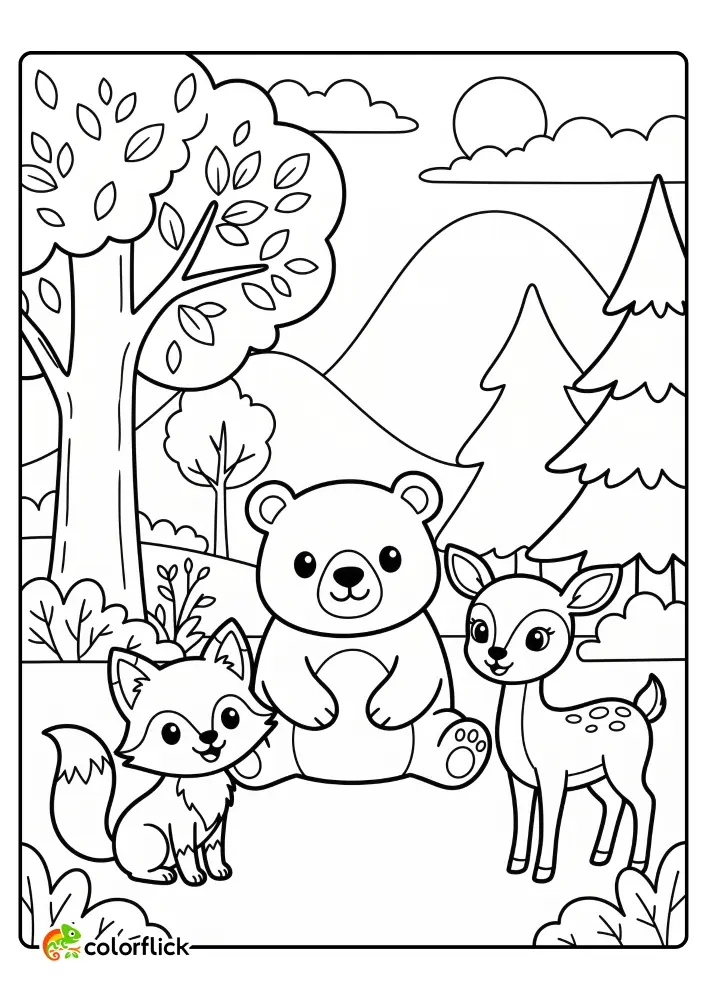
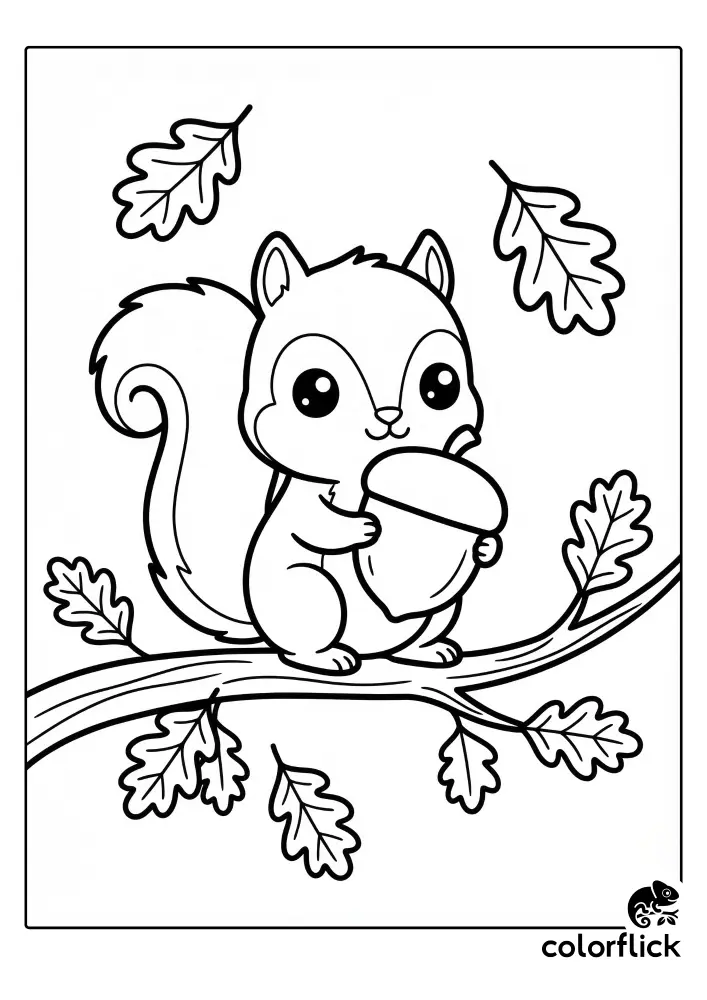
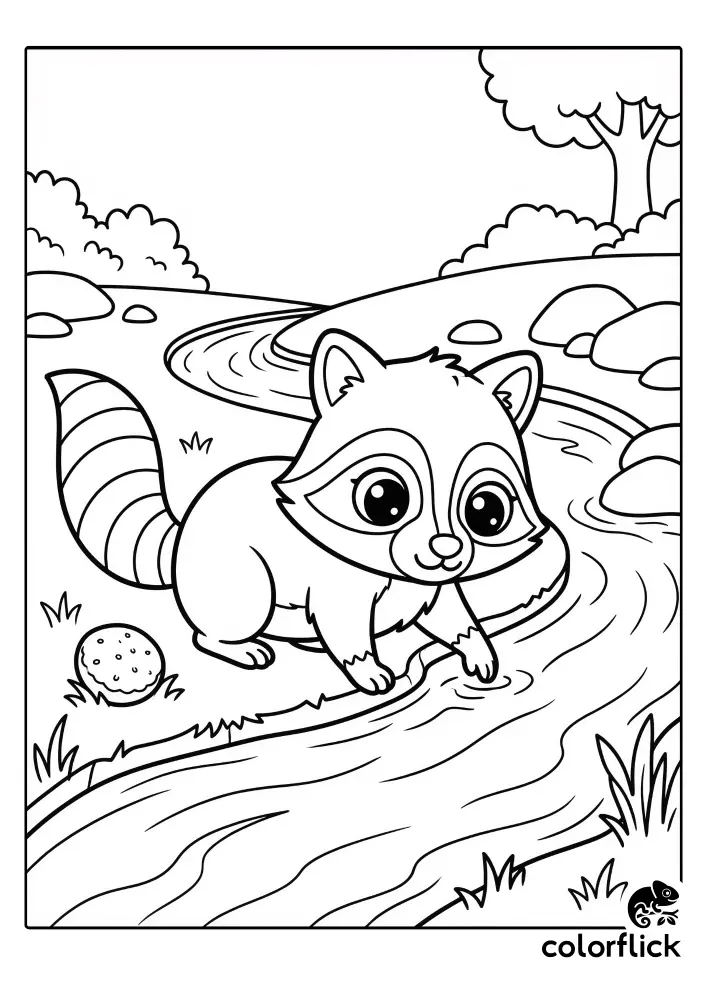
There’s a whole secret world living just beyond the neighborhood park, and it belongs to the creatures of the temperate woodland. These animals are masters of the four-season year — they don’t just survive winter, they prepare for it. The word forage means to wander carefully through nature searching for food, and children will notice that almost every temperate woodland animal is an expert forager. Red squirrels cache thousands of acorns in autumn; incredibly, they forget where many are buried, accidentally planting new oak trees year after year.
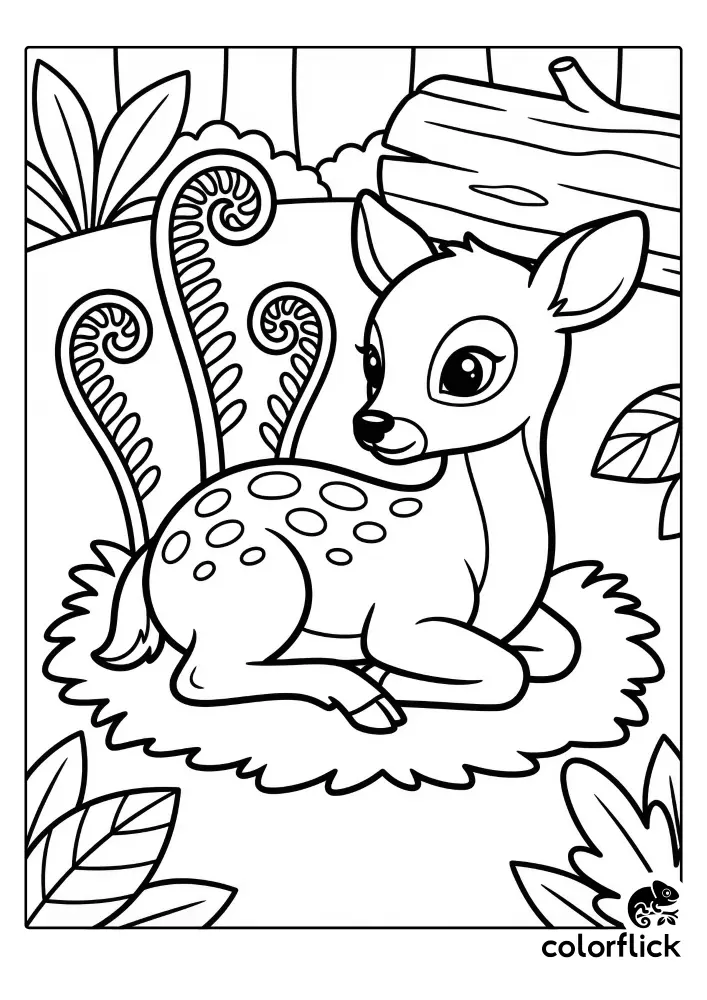
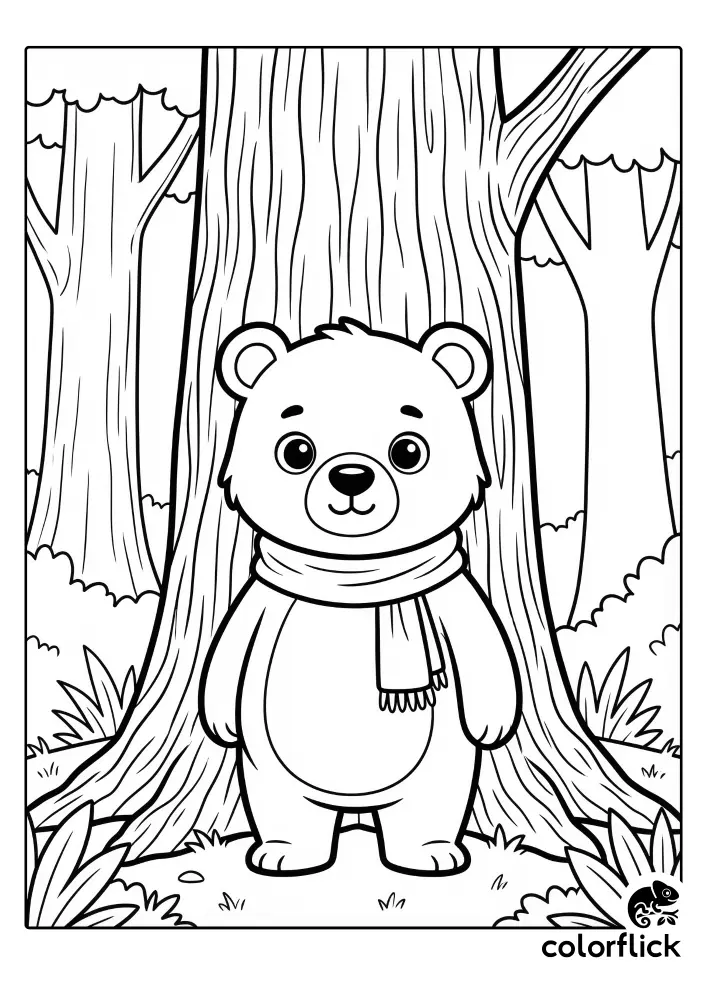
The deeper survival strategy for many woodland species is hibernation — the remarkable long, energy-conserving sleep that carries animals like bears through the months when food is buried under snow. A gentle deer fawn resting in the ferns holds its own secret weapon: a newborn fawn has almost no scent, making it nearly invisible to predators even while it lies completely still. These pages invite children to look closely, color thoughtfully, and ask one important question: how does this animal know what season it is?
Exotic Jungle and Rainforest Animals Coloring Pages
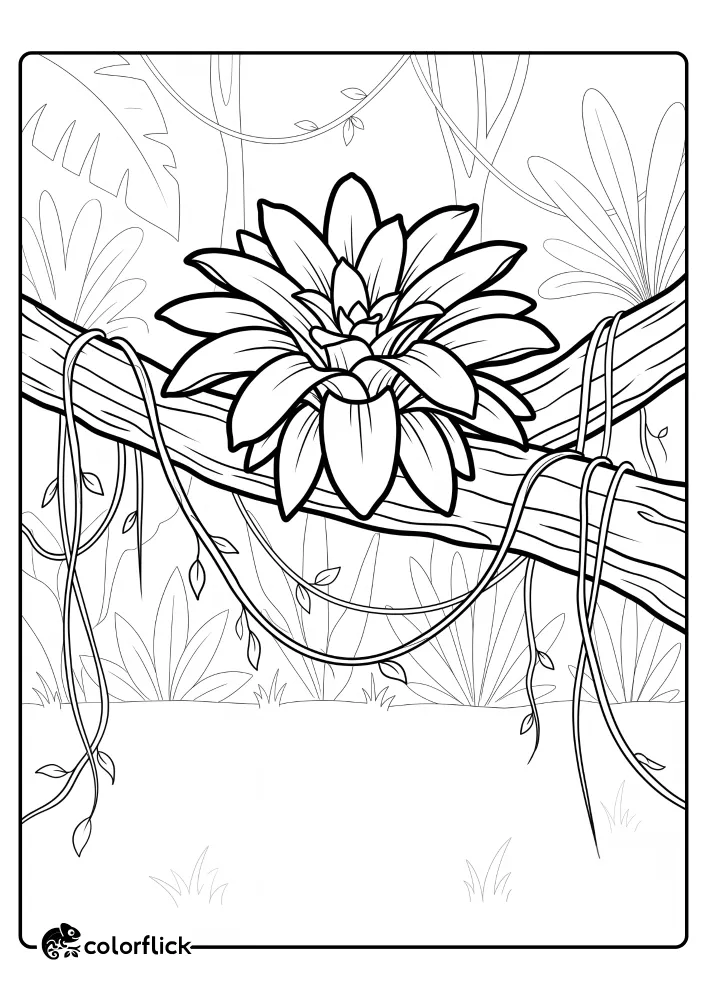
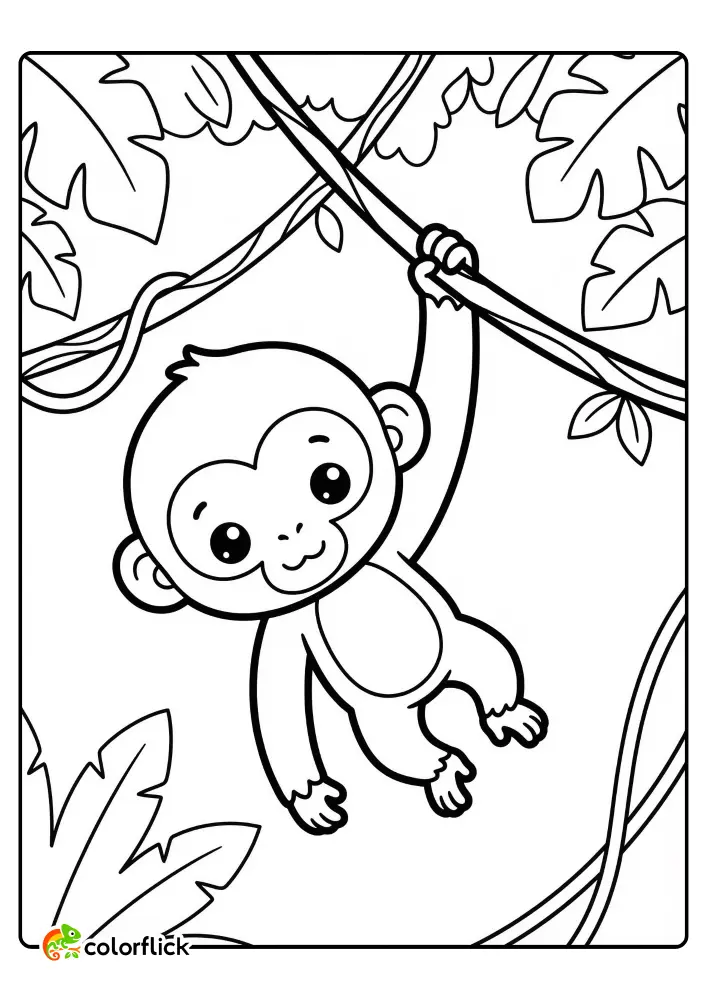
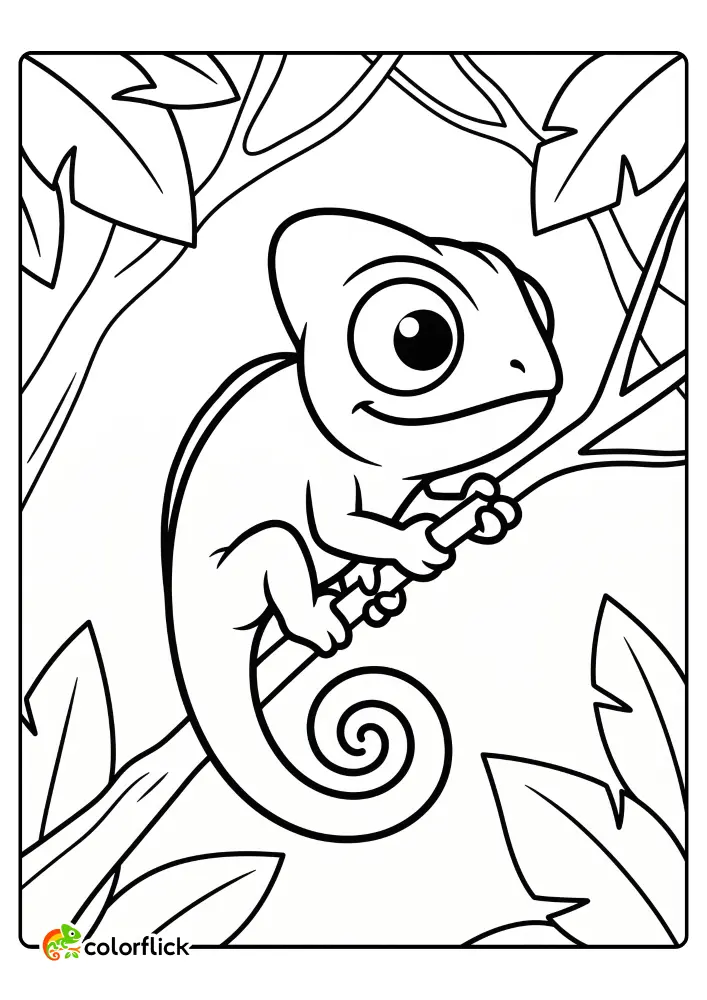
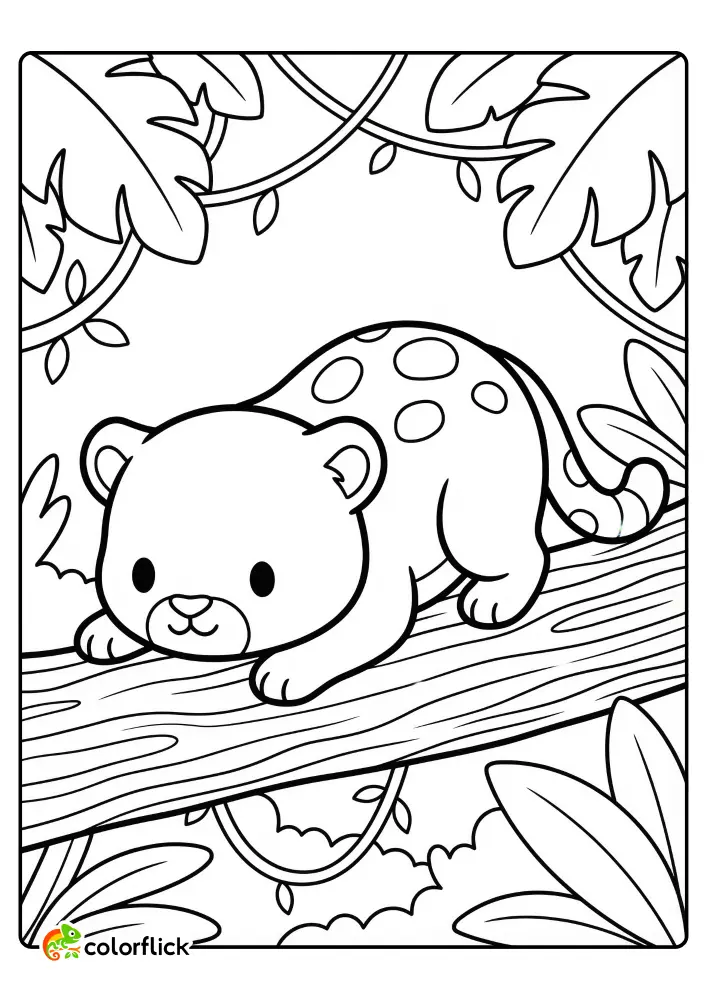
Step beneath the canopy — the thick, layered ceiling of tall, overlapping trees that forms the roof of the rainforest — and an entirely different universe unfolds. This is a world of specialists. Every animal here has evolved a remarkable physical trick for surviving in one of the most competitive environments on Earth.
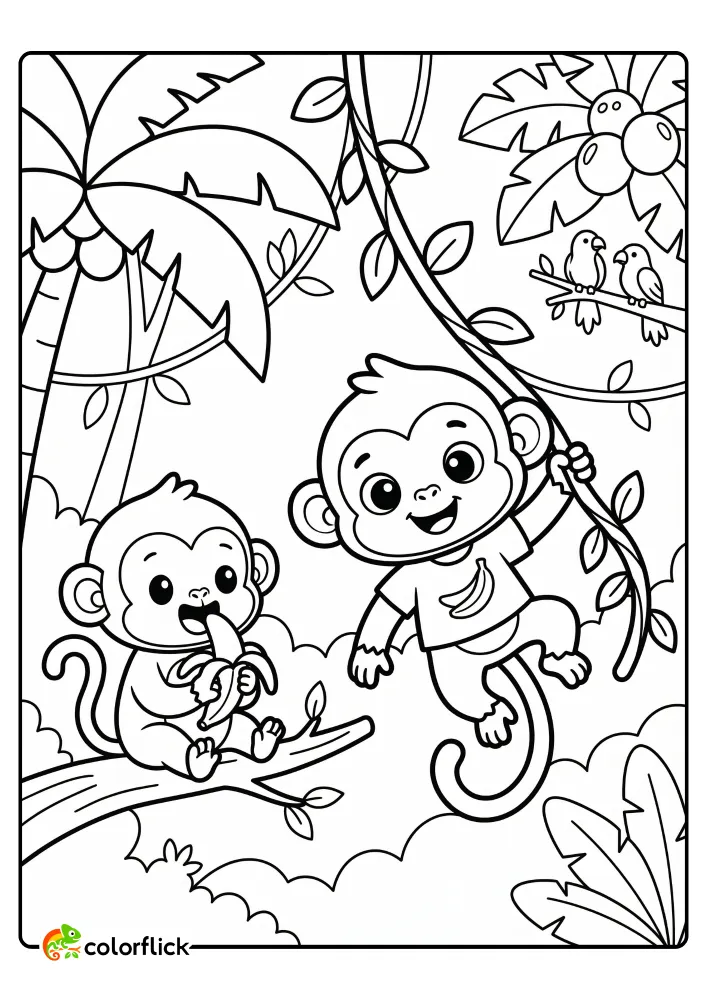
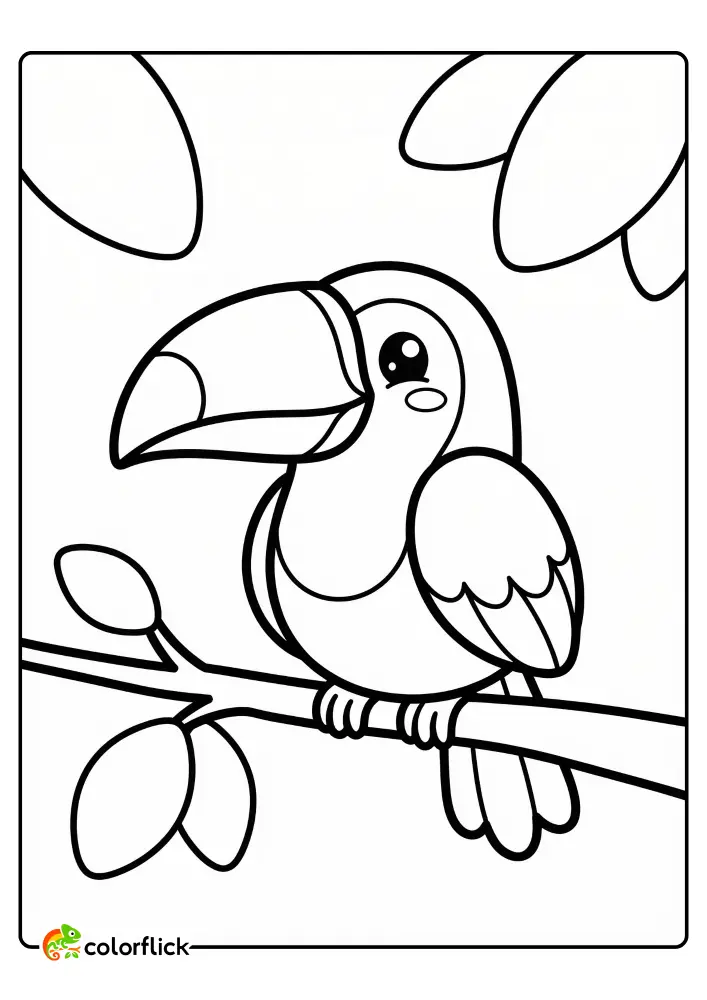
The chameleon is perhaps the supreme master of camouflage, the ability to match colors and patterns to one’s surroundings so perfectly that predators look directly at you and see only bark. Meanwhile, the spider monkey relies on pure physics, using its long arms and prehensile tail to swing through the high canopy with the grace of a trapeze artist. Even the toucan, with its comically enormous bill, carries a surprising secret: that oversized beak is mostly hollow, making it as light as a paper fan. Sloths take a different approach entirely — they move so slowly that algae grows in their fur, adding a green tint that blends seamlessly into the leafy jungle light. These pages are a masterclass in adaptation, and children will find new details every time they look.
Cold Climate Forest Predators Coloring Pages
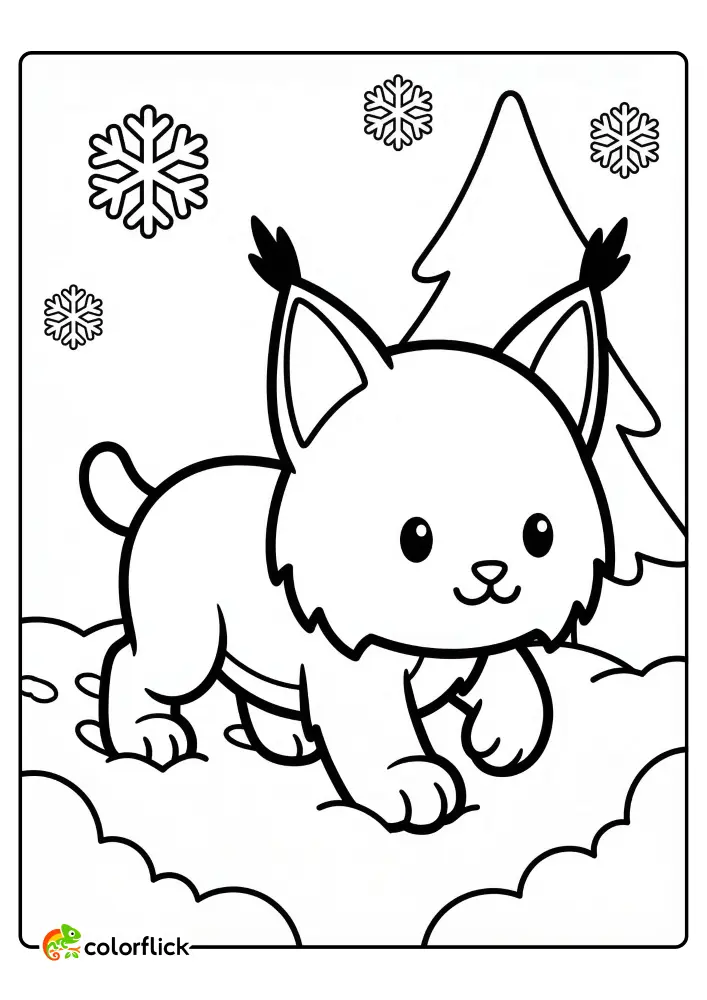
The boreal forest — the vast, snow-hushed taiga that stretches across the top of the world — belongs to the bold. Surviving here requires two things above all else: insulation and community. Insulation is the thick layer of fur or fat that traps body heat against the brutal cold, and every predator in these pages wears it like armor. The lynx takes this further with enormous, fur-covered paws that function as natural snowshoes, distributing its weight across the powder so it moves nearly without a trace.
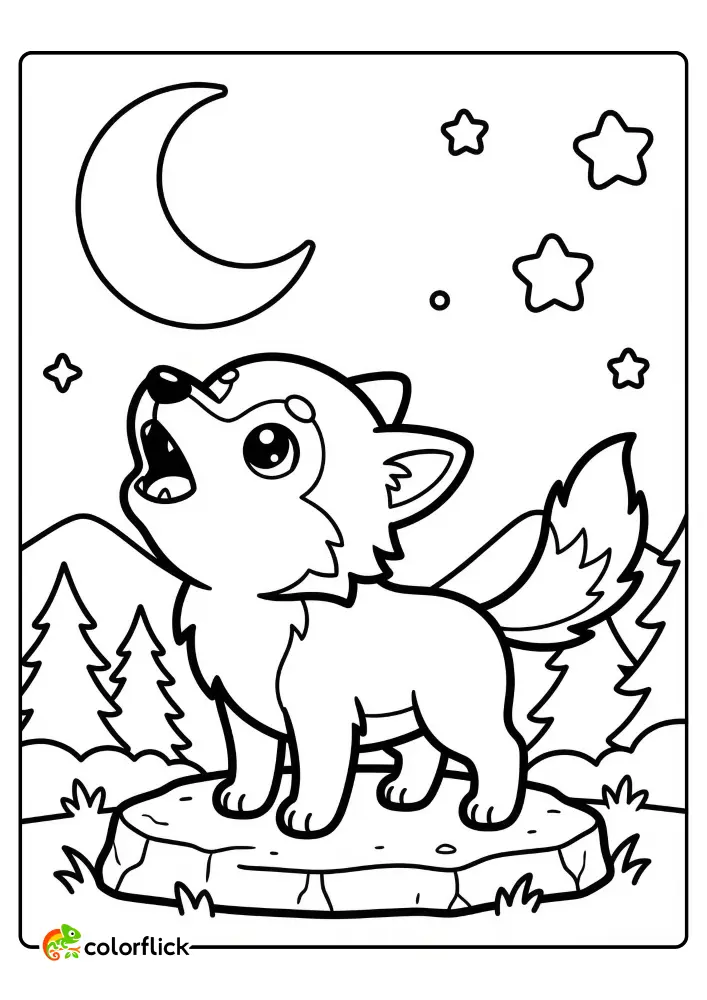
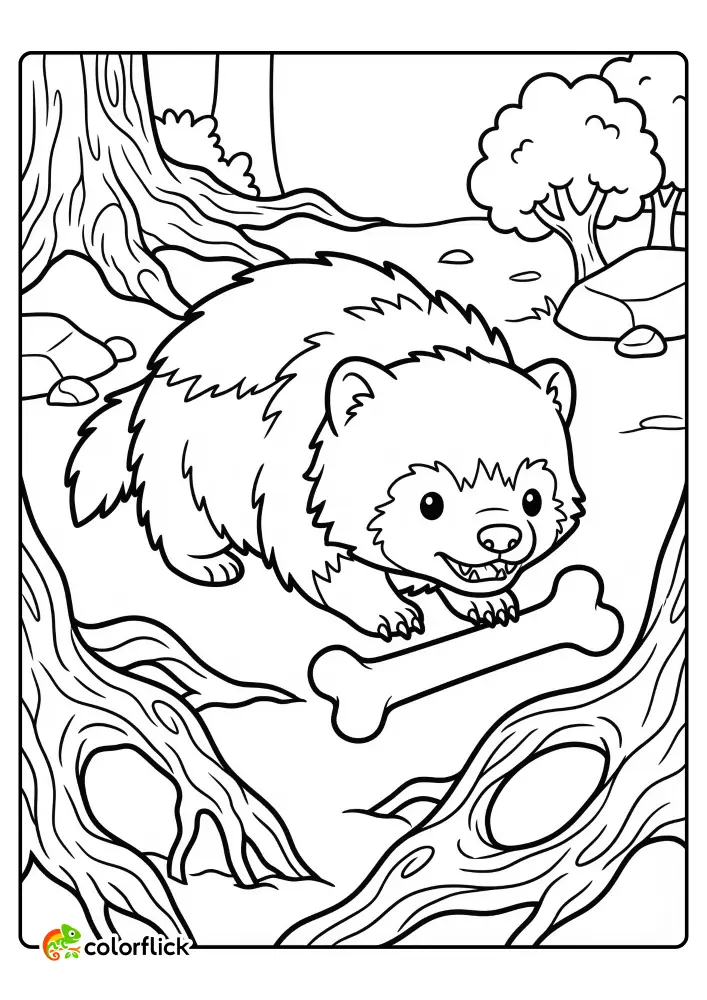
But the grey wolf’s greatest survival tool isn’t physical — it’s social. A pack is a tight-knit family unit that hunts, rests, and protects together. That breathtaking howl thrown toward a winter sky isn’t just beautiful; it’s communication, a rally call that gathers the pack before a hunt — almost like a team cheer echoing through the pines. The wolverine, meanwhile, needs no teammates. This fierce, compact predator is pound-for-pound one of the boldest animals alive, capable of defending a meal against animals many times its size. These coloring pages capture the raw, quiet power of cold-weather survival.
Nocturnal Forest Animals Coloring Pages
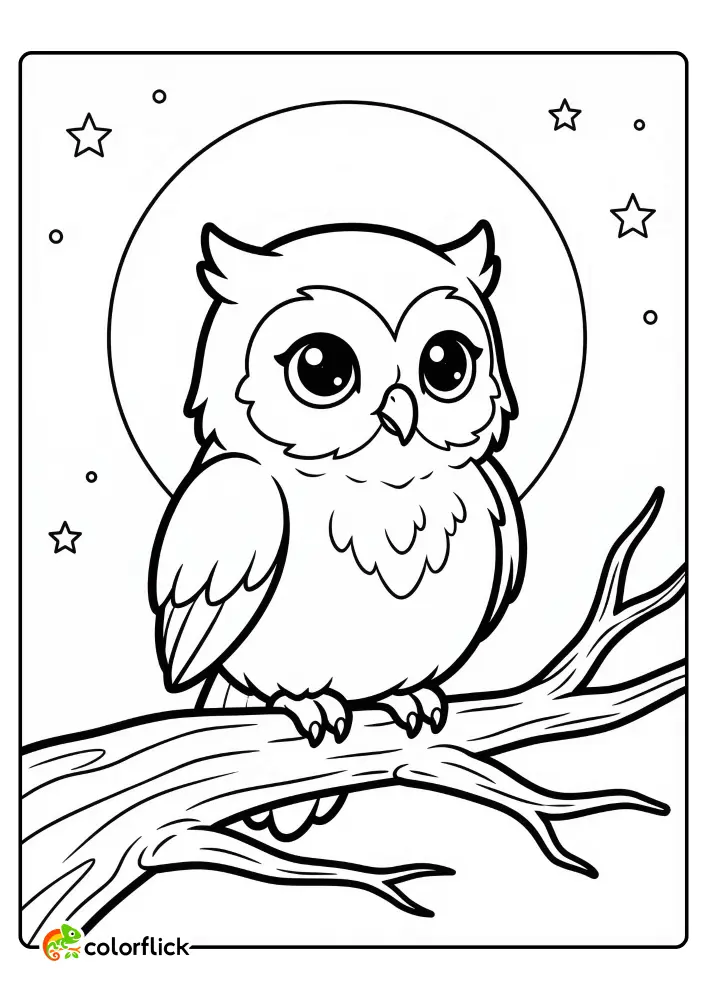
When the sun drops below the treeline, the daytime animals settle in — and a completely different shift of wildlife wakes up. Nocturnal animals are active at night and sleep through the day, and each one has evolved extraordinary senses to navigate a world without light. The Great Horned Owl is perhaps the most iconic: silent, powerful, and utterly still until the moment it strikes. Its secret is in its feathers — soft, fringed edges on each flight feather muffle the sound of moving air so completely that the owl becomes acoustically invisible.
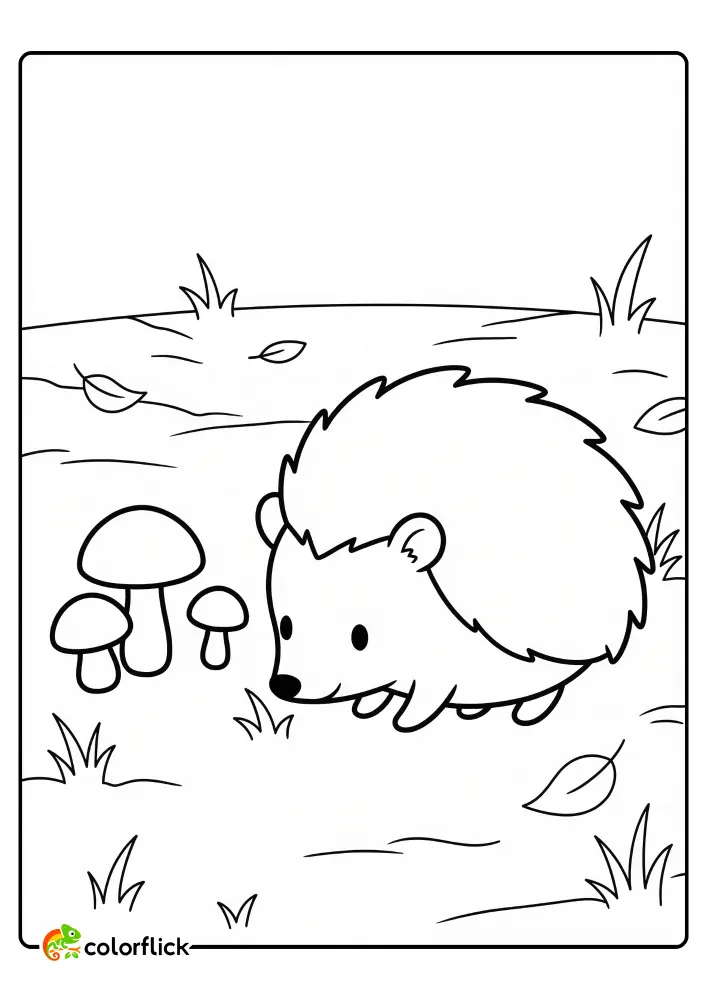
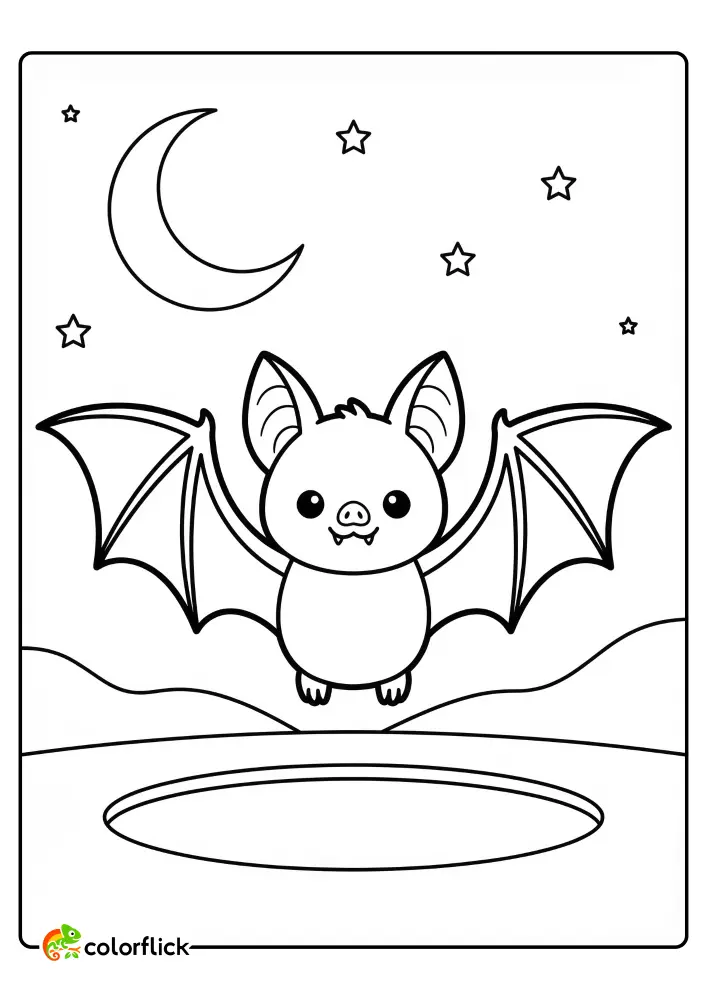
The bat achieves navigation through pure sound science. Echolocation is the remarkable ability to emit high-pitched calls and listen for the returning echoes bouncing off objects — essentially “seeing” the world in sound waves. It’s a biological sonar system so precise that a bat can detect and catch a single moth in total darkness. Even the humble hedgehog, quietly snuffling through the undergrowth, carries its own armor: up to 7,000 sharp quills covering its back, each one ready to discourage any predator bold enough to investigate. These pages glow with the quiet magic of the moonlit forest.
Forest Floor and Burrowing Animals Coloring Sheets
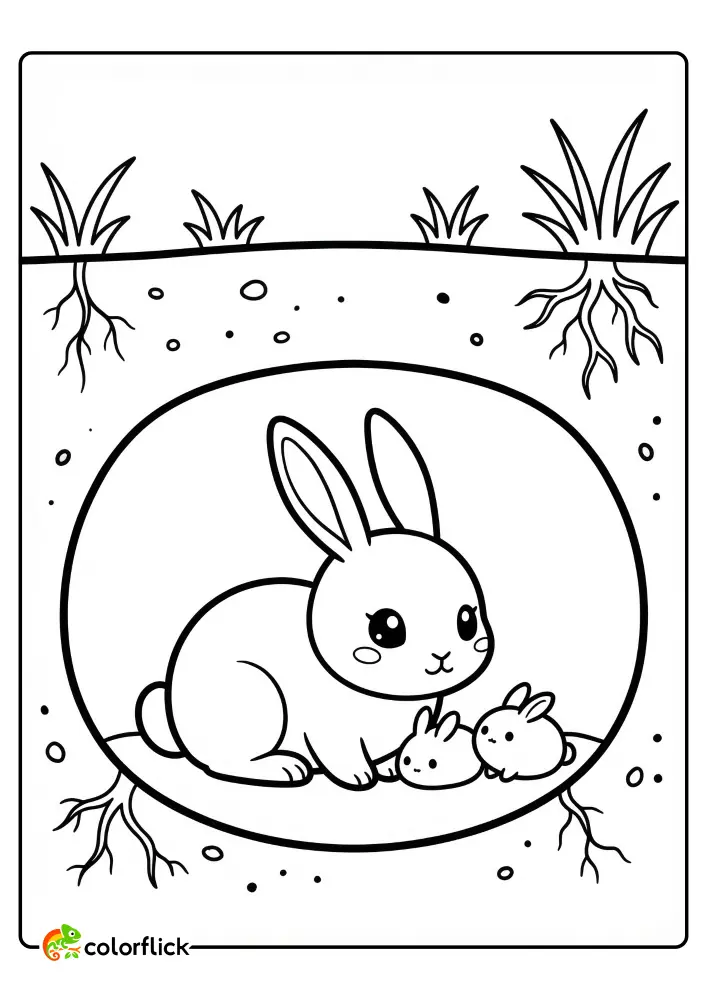
The most overlooked neighborhood in the forest is the one right under your feet. The forest floor is a thriving, complex civilization — and its most ambitious architects are the burrowing animals. A burrow is a tunnel dug underground that serves as a safe, weatherproof home, and some animals take this concept to extraordinary lengths. Rabbits construct an entire warren — an interconnected maze of tunnels, chambers, and nursery rooms that can house multiple generations of a family beneath a single meadow.
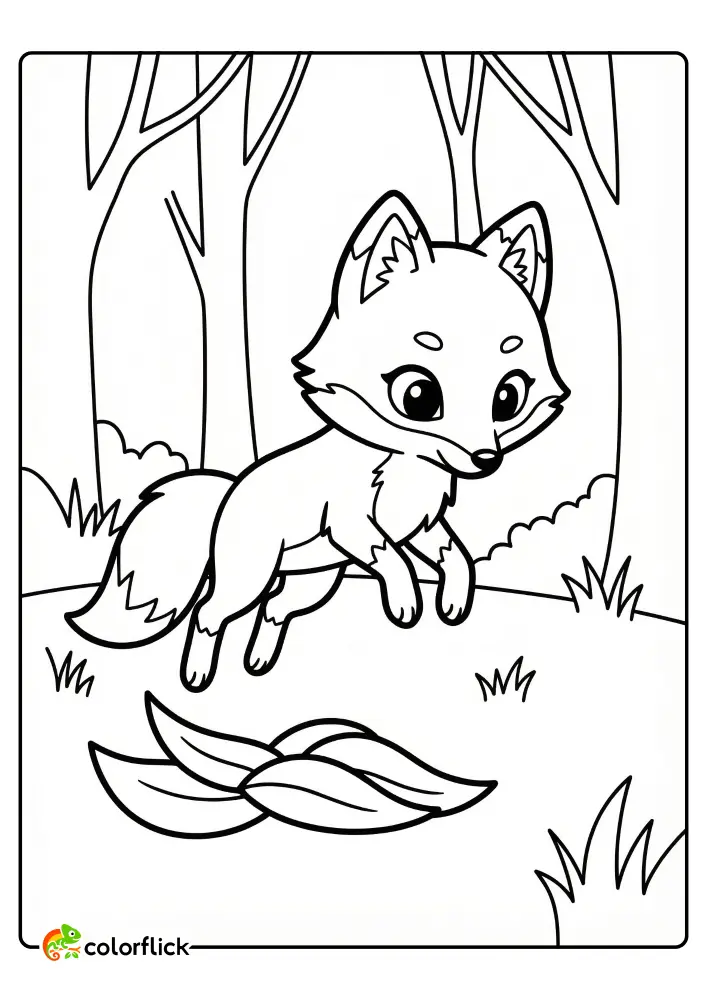
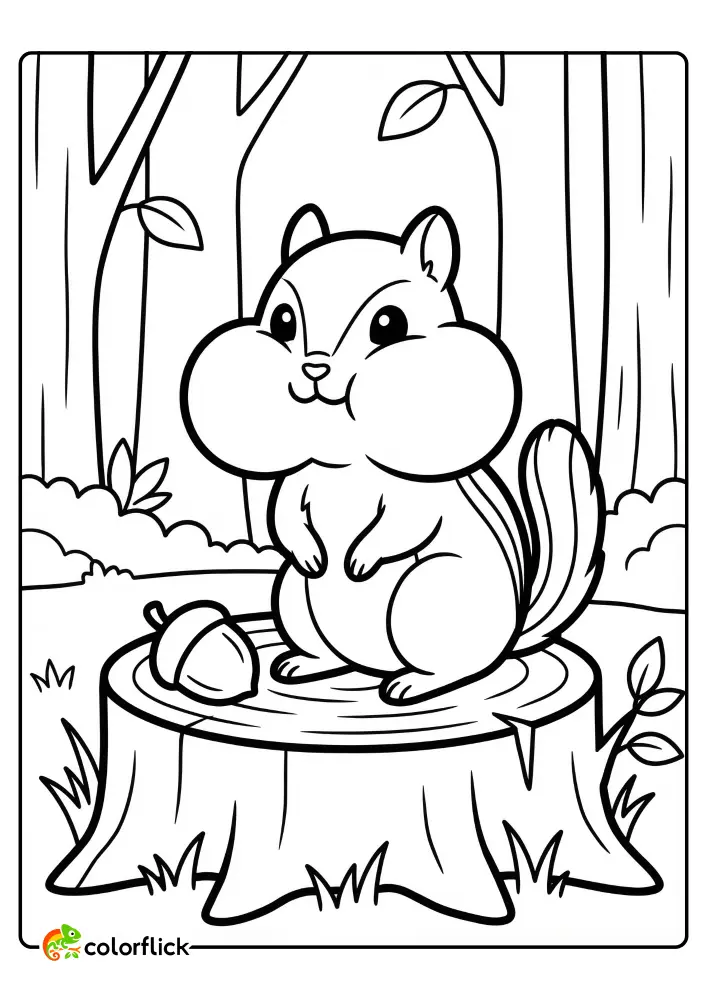
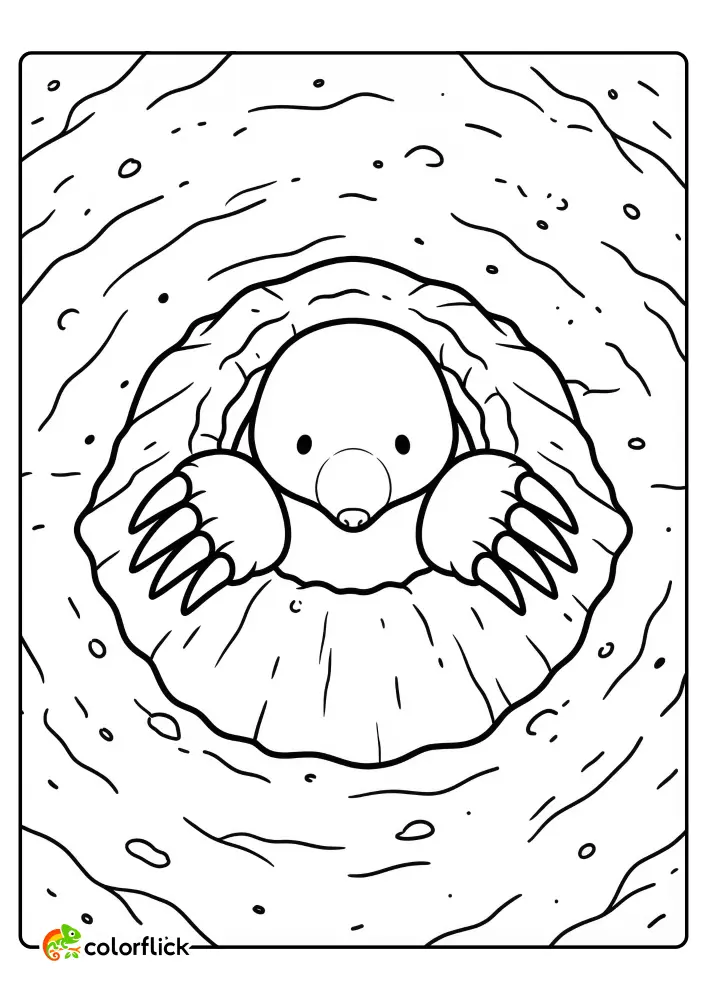
The mole takes underground architecture to speed-record levels: using its wide, paddle-shaped front claws, a single mole can excavate up to 18 feet of new tunnel in just one hour. Above the surface, the red fox brings its own particular drama. That magnificent bushy tail — called a brush — isn’t just decorative; foxes wrap it around themselves like a warm blanket when they sleep in cold weather. And the chipmunk, sitting on its mossy stump with cheeks bulging like two small balloons, is doing something deceptively clever: storing enough seeds in one trip to feed itself through days of cold. These pages celebrate the small, overlooked heroes of the woodland.
Wild African Savanna Animals Coloring Pages
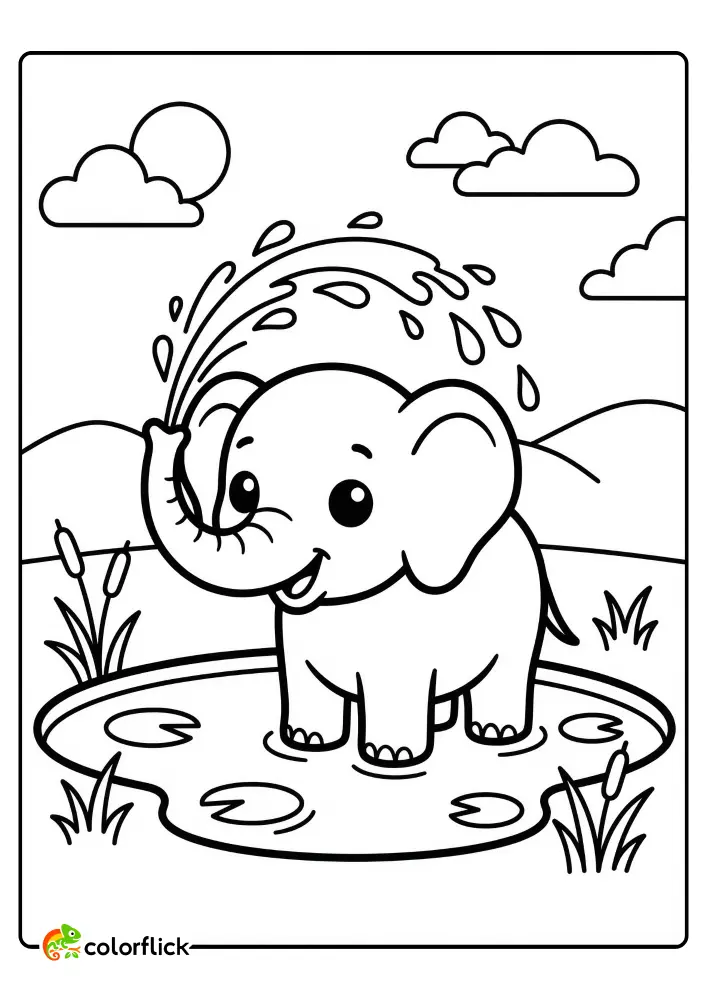
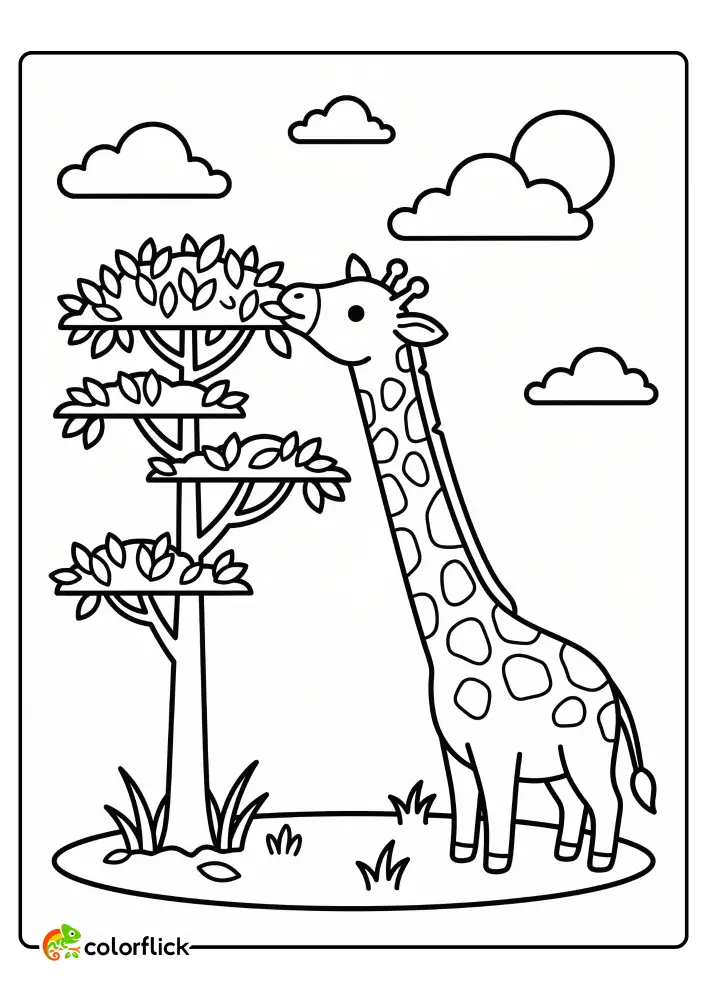
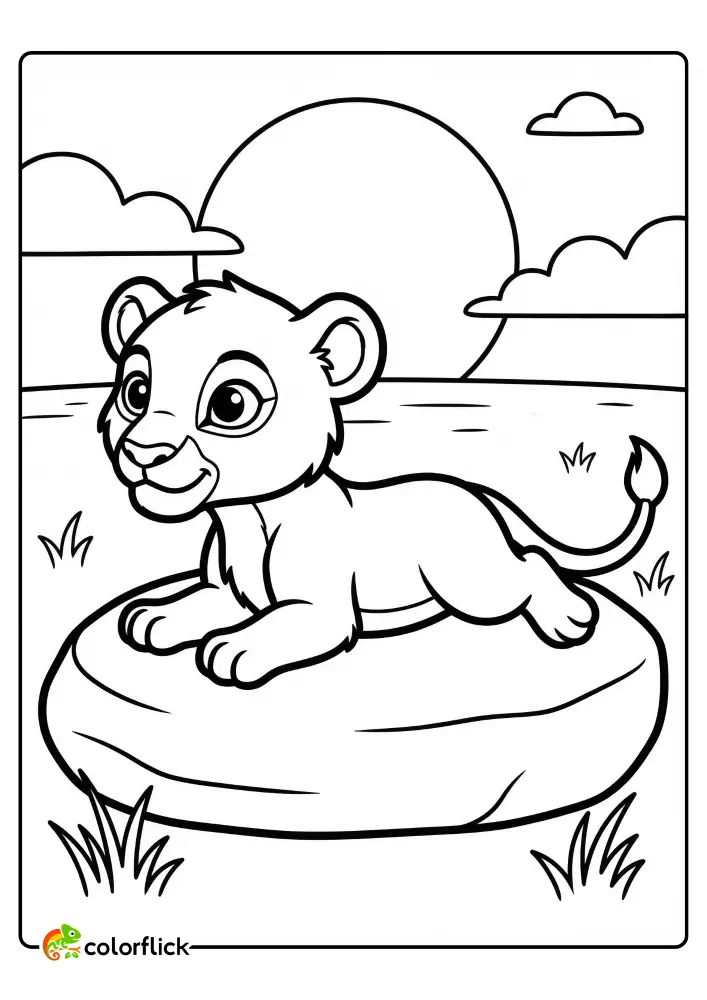
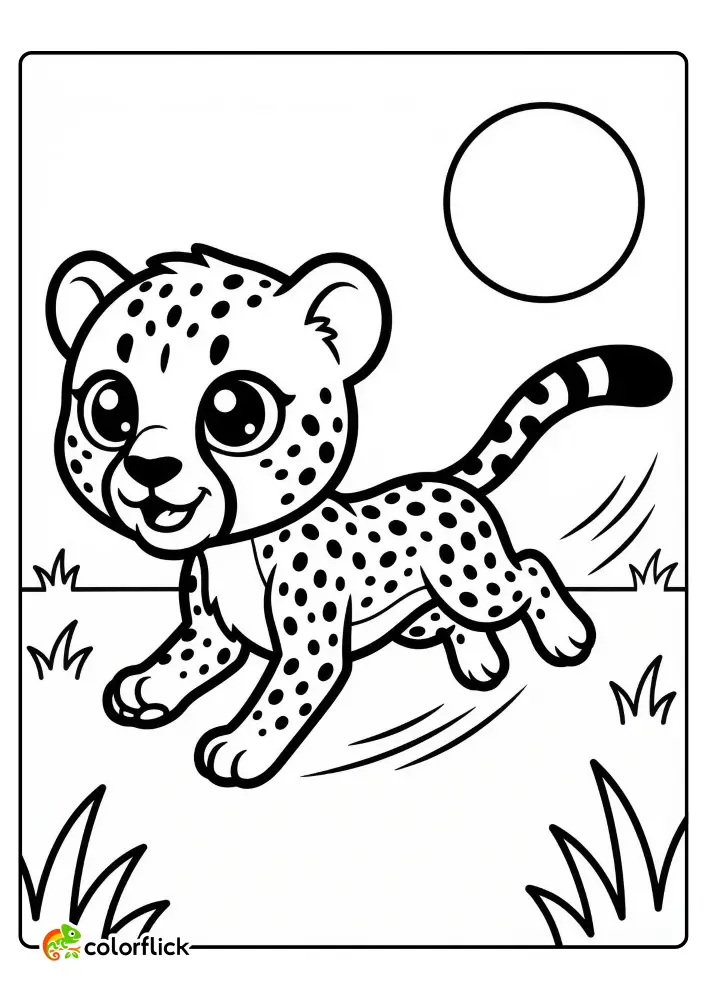
The savanna stretches to every horizon — a golden, open grassland punctuated by flat-topped acacia trees and baked by a relentless sun. This is a landscape of scale, and its animals match their environment. The elephant is one of nature’s most astonishing engineering marvels: its trunk contains over 40,000 individual muscles, making it simultaneously powerful enough to uproot a full-grown tree and delicate enough to pick up a single blade of grass. No human-engineered tool comes close to that range.
Migration — the seasonal long-distance journey animals make to follow food and favorable weather — defines life on the savanna. Wildebeest, zebra, and countless other species time their movements to the rains with a precision that has been refined over millions of years. The giraffe navigates its own engineering puzzle: stretching its extraordinary neck to reach leaves at the very crown of an acacia, it does so using exactly the same number of neck bones as a human — just seven vertebrae, each one dramatically elongated. These pages pulse with movement, heat, and the ancient, unhurried rhythm of savanna life.
Mountain and Alpine Wild Animals Coloring Pages
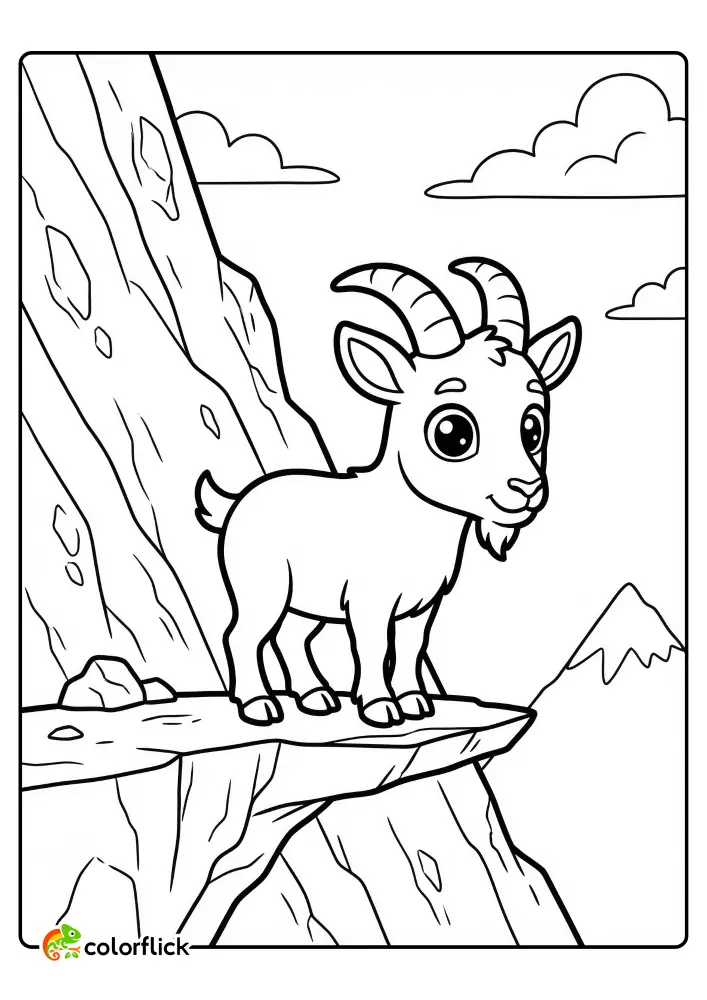
The mountain world begins where the trees thin out and the air grows sharp and cold. Altitude — the measure of how high a place stands above sea level — determines everything here: what grows, what breathes easily, and what survives. The animals that call these peaks home are gravity-defying specialists. The mountain goat navigates sheer vertical cliffs on hooves engineered with hard outer edges for gripping rock and soft inner pads for traction — it treats a thousand-foot drop the way a child treats a staircase.
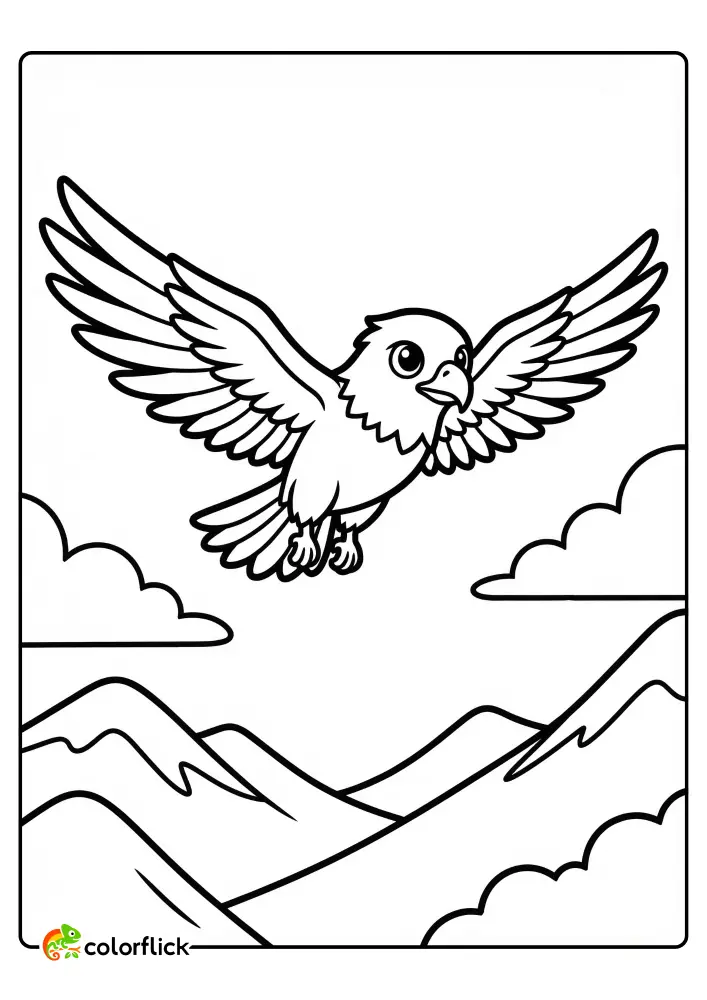
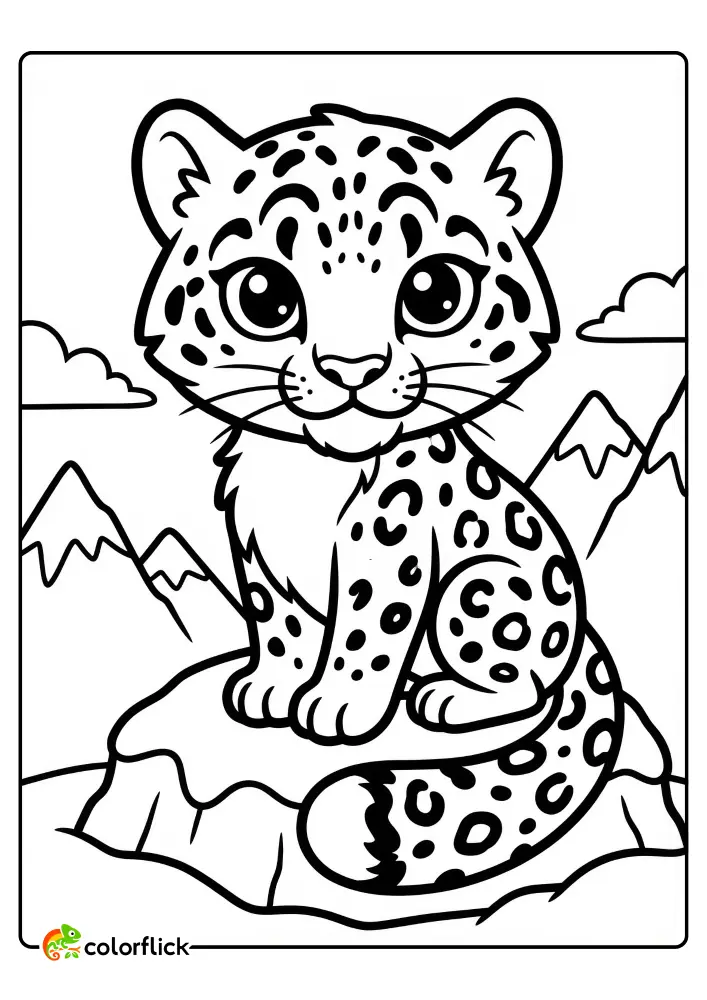
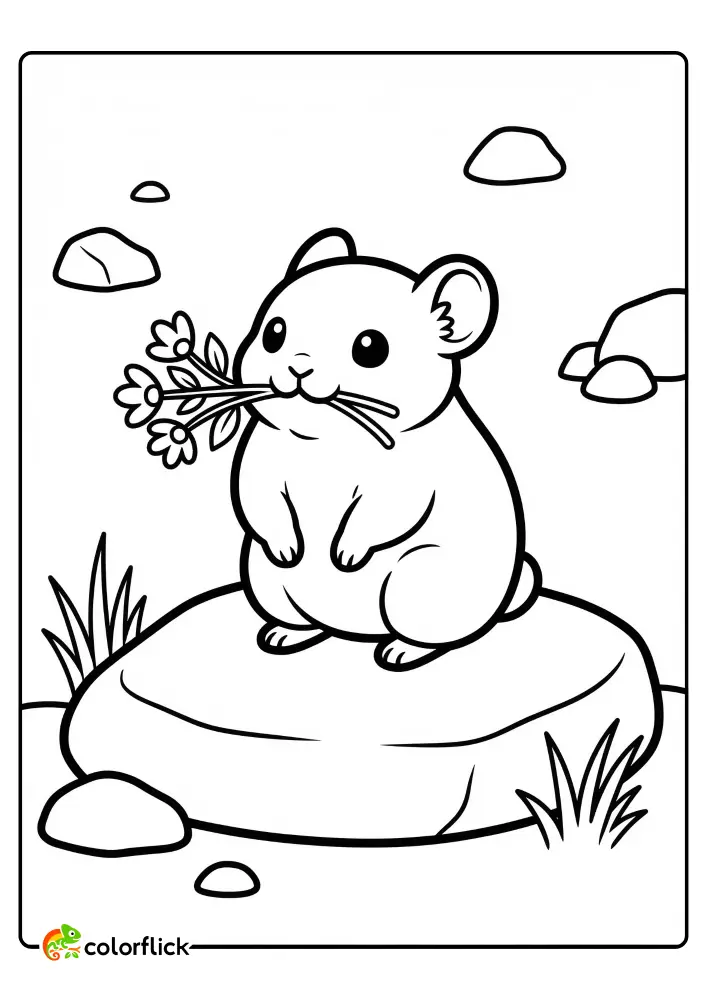
The snow leopard may be the most mythically beautiful alpine survivor. That extraordinarily long, thick tail serves two essential functions: it acts as a counterbalance on rocky crags, and on cold nights, the snow leopard wraps it around its face like a scarf. High above even the leopard, the golden eagle hunts on talons — the razor-sharp, hooked claws of birds of prey — soaring on mountain updrafts with wings that can span over seven feet. And the tiny pika, no bigger than a hamster, refuses to hibernate. Instead, it spends the entire summer cutting and drying wildflowers and grasses into a personal haystack to eat through the winter. Small body. Enormous work ethic.
Is That True? Myth vs. Fact About Wild Animals
Children — and honestly, many adults — carry some very convincing false beliefs about wild animals. Let’s set the record straight on one of the most common ones.
THE MYTH: Wild animals would make wonderful, loving pets if you raised them from babies. If you found a wolf pup, a baby fox, or a young raccoon and raised it with kindness, it would grow up tame and happy in your home.
THE FACT: Wild animals are not domesticated animals in disguise. Domestication is a biological process that took thousands of years of selective breeding to produce animals like dogs and cats that are genuinely adapted to human environments. Wild animals carry deep, hardwired instincts — territorial drives, seasonal behavioral changes, specialized dietary needs, and space requirements — that cannot be switched off by a loving upbringing.
A hand-raised wolf is still a wolf. A “tame” raccoon still has the instincts of a forager and can become highly destructive and even dangerous as it matures. These aren’t problems of inadequate training — they are the animals behaving exactly as nature designed them to.
The genuinely loving way to connect with wild animals is to protect the habitats where they belong: support conservation organizations, choose sustainably sourced products, and teach children early that wild animals are neighbors to be respected, not companions to be collected.
Let’s Talk! Conversation Starters for Young Naturalists
One coloring page, one great conversation — that’s the quiet superpower of these sheets. Here are prompts designed to spark genuine wonder and scientific thinking in children of any age.
“If you could borrow one wild animal superpower for a whole day — seeing in the dark like an owl, moving silently through the snow like a lynx, or running as fast as a cheetah — which would you choose and what would you do with it?” This question opens the door to discussions about why those adaptations exist in the first place.
“Look very carefully at the shape of this animal’s paws, claws, or beak. What do you think that shape helps them do? What would happen if they had different-shaped paws?” This is the heart of evolutionary thinking, and children arrive at the right answers intuitively when asked.
“If you had to build a cozy winter den in the forest using only things you could find outside, what would you use to make the floor soft and the walls warm?” For younger children, this is imaginative play. For older ones, it leads naturally to a conversation about insulation, materials, and the brilliant engineering of animal burrows.
“This animal migrates thousands of miles every season without GPS, without a map, and without a phone. How do you think it knows where to go?” Young children will suggest delightfully creative answers. Older children can begin exploring the science of magnetic navigation, star-reading, and memory mapping.
Keep one of these prompts on the table while coloring. You’ll be surprised how long the conversation lasts.
The Wild Awaits — Download Your Free Collection
Seven ecosystems. Twenty-eight original scenes. Hundreds of small, extraordinary details waiting to be discovered and colored. This collection was built to do something a little more ambitious than fill a quiet afternoon — it was built to plant seeds of curiosity that grow into a lifelong respect for the natural world.
Every page is yours, completely free, formatted and print-ready for A4 or US Letter paper, and downloadable as individual PDFs or as a complete collection.
Download your full Wild & Forest Animals Coloring Collection now — print it, pin it to the fridge, take it on road trips, build a lesson plan around it, or simply hand a child a box of crayons and step back. The animals will do the rest.