Fish don’t come in just gray and brown. Tropical species flash orange, blue, even neon pink. Kids coloring these pages get a front-row seat to that surprise, plus a quiet boost in focus, fine motor skills, and early science know-how. Grab your crayons. The water’s calling.
Dive Into Our Fishing Collection
We’ve put together a full set of fishing-themed pages, from splashy bass to quiet riverbank scenes. Every page is free, printable, and ready for little hands right now.
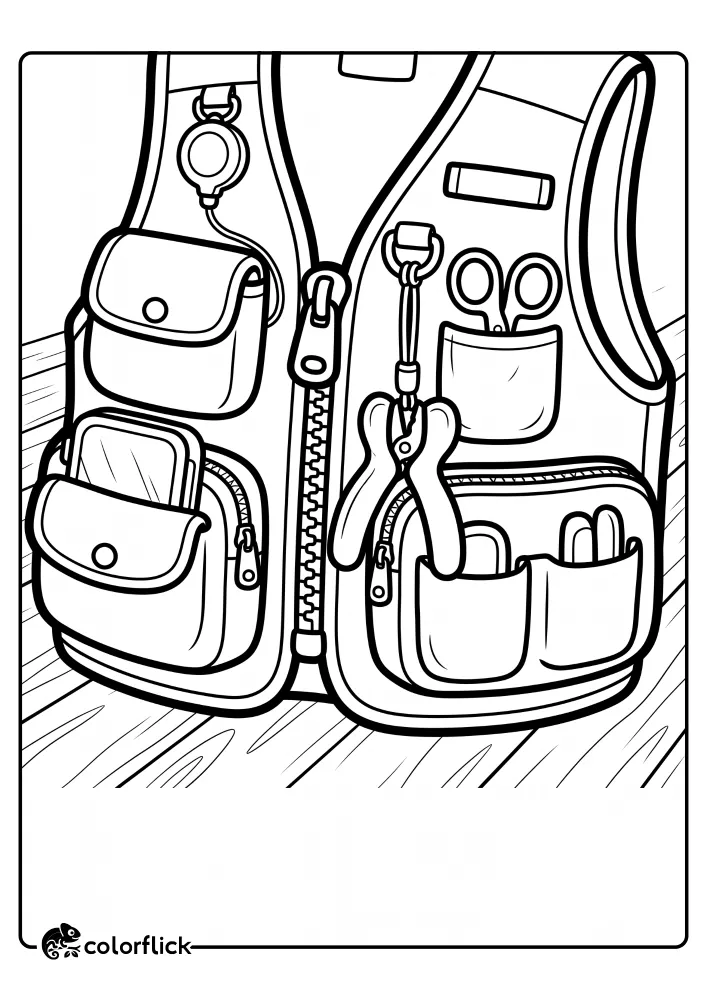
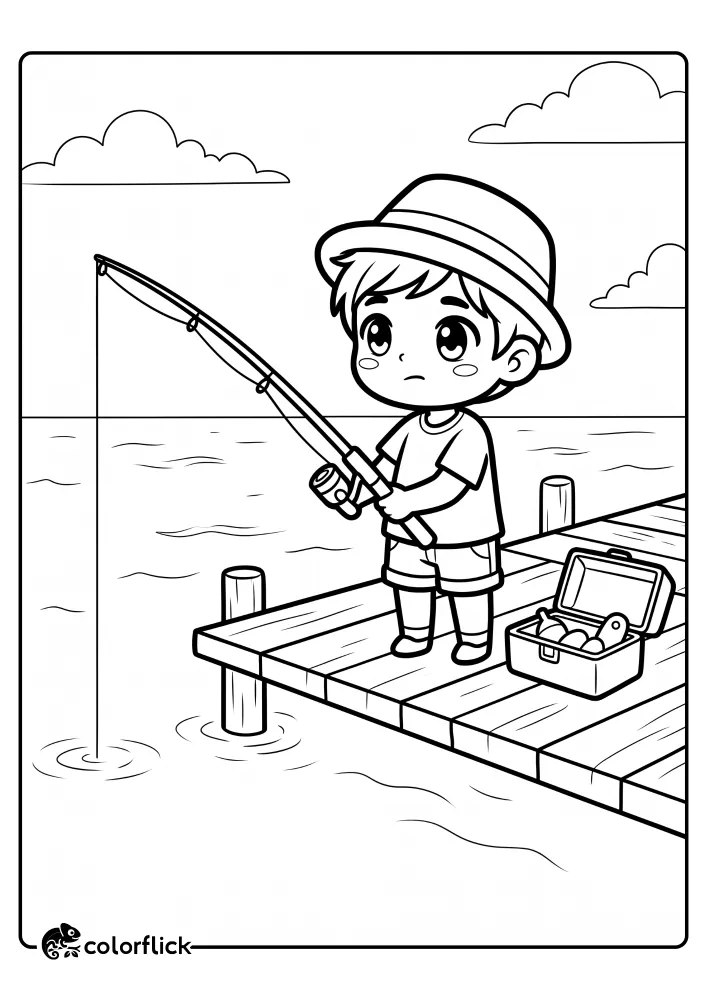
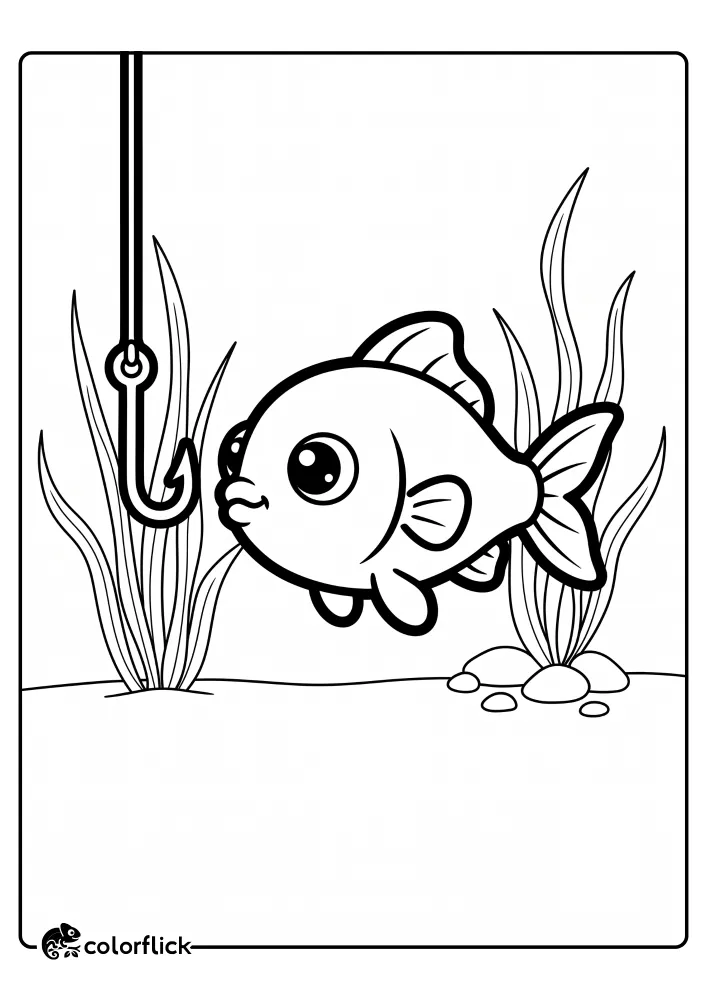
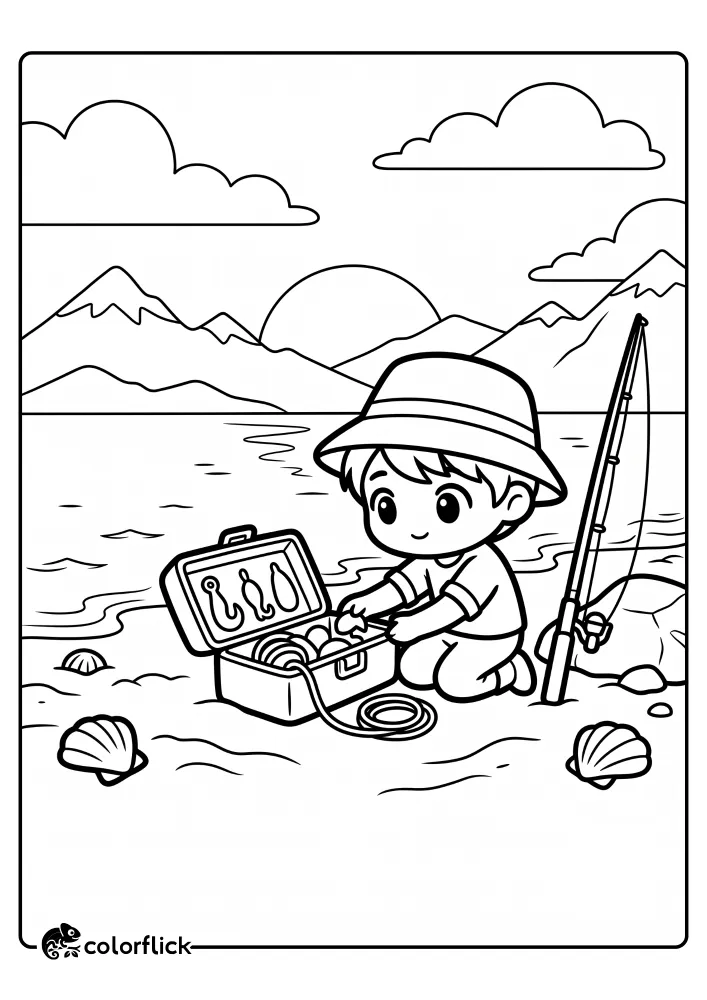
Types of Fish: From Tiny Minnows to Big Bass
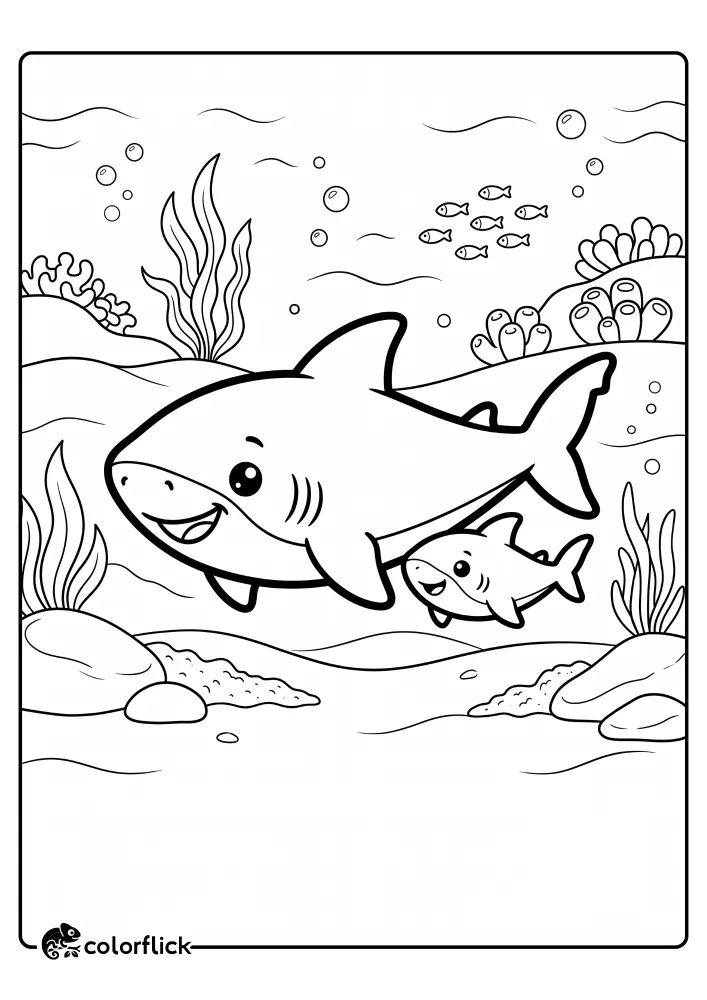
Gills. Fins. Scales. Three words, one whole world underwater. Bass, trout, clownfish — each built for its own patch of water, its own temperature, its own food source. Coloring these shapes teaches kids to spot the differences: where the fin sits, how the tail curves, what makes a mouth a predator’s mouth. Some fish shift color to hide from danger or show how they feel. And bass? They leap clean out of the water when food’s nearby. Small details. Big biology lesson.
Fishing Gear: Rods, Nets, and Hooks
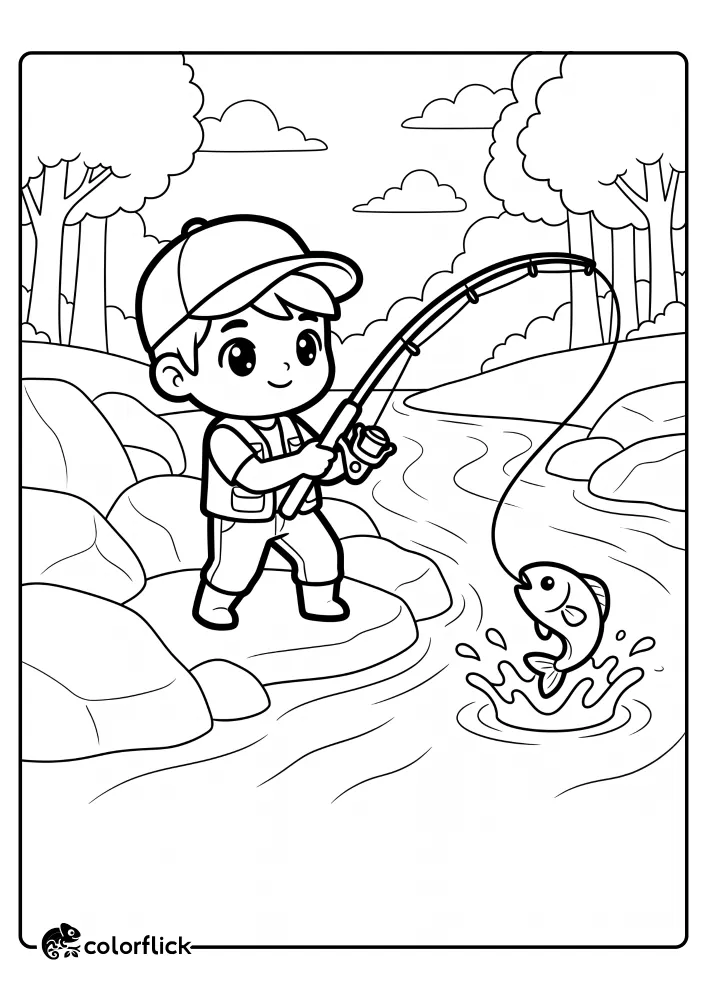
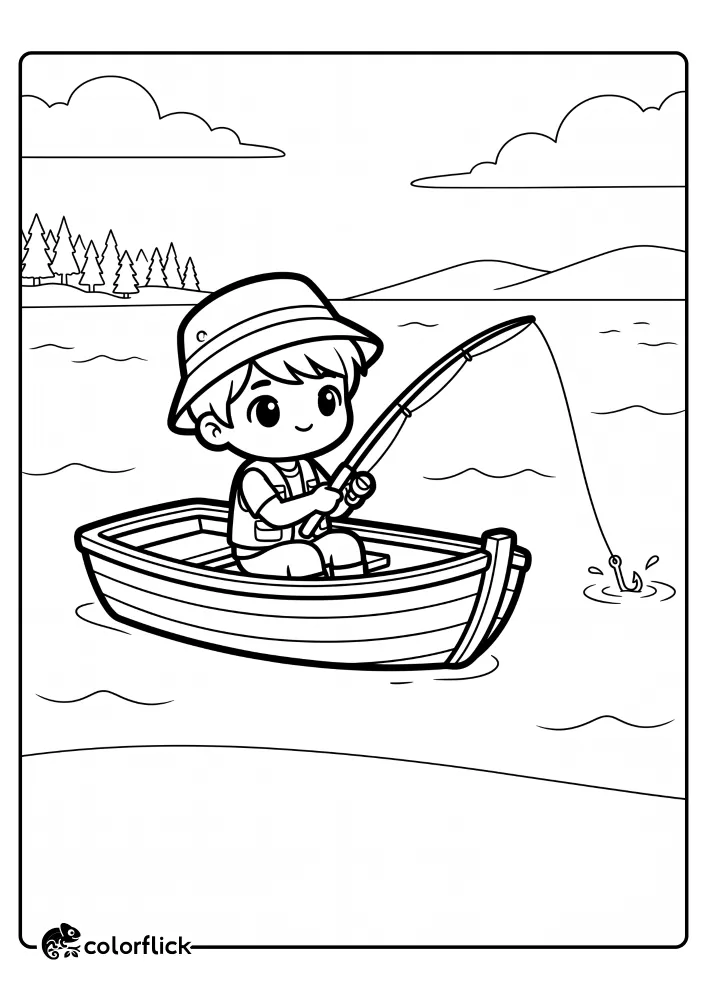
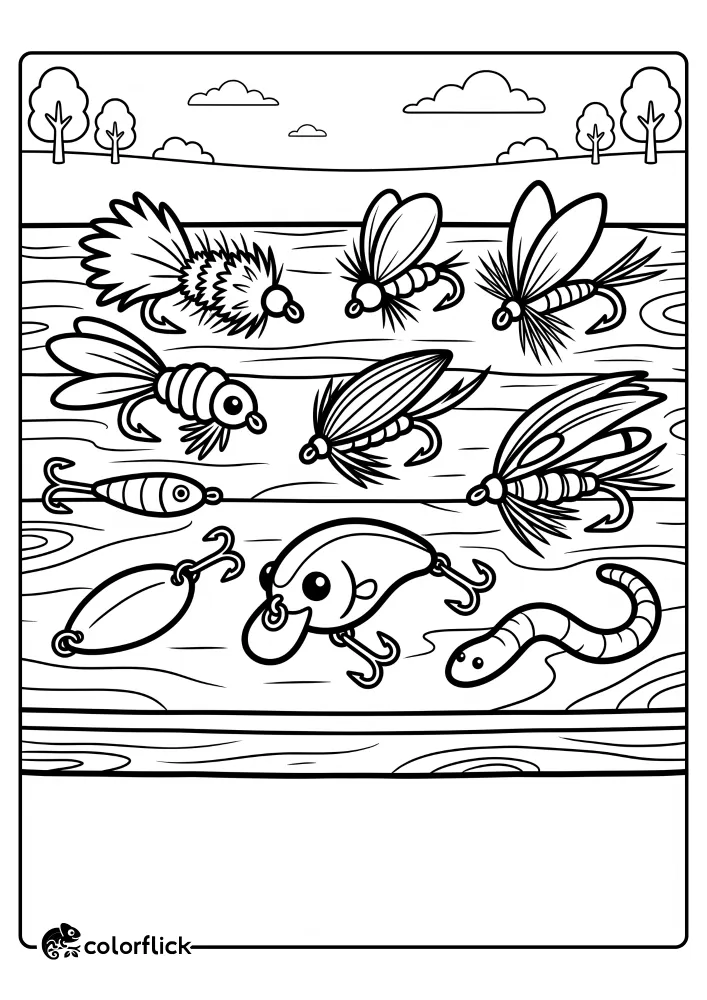
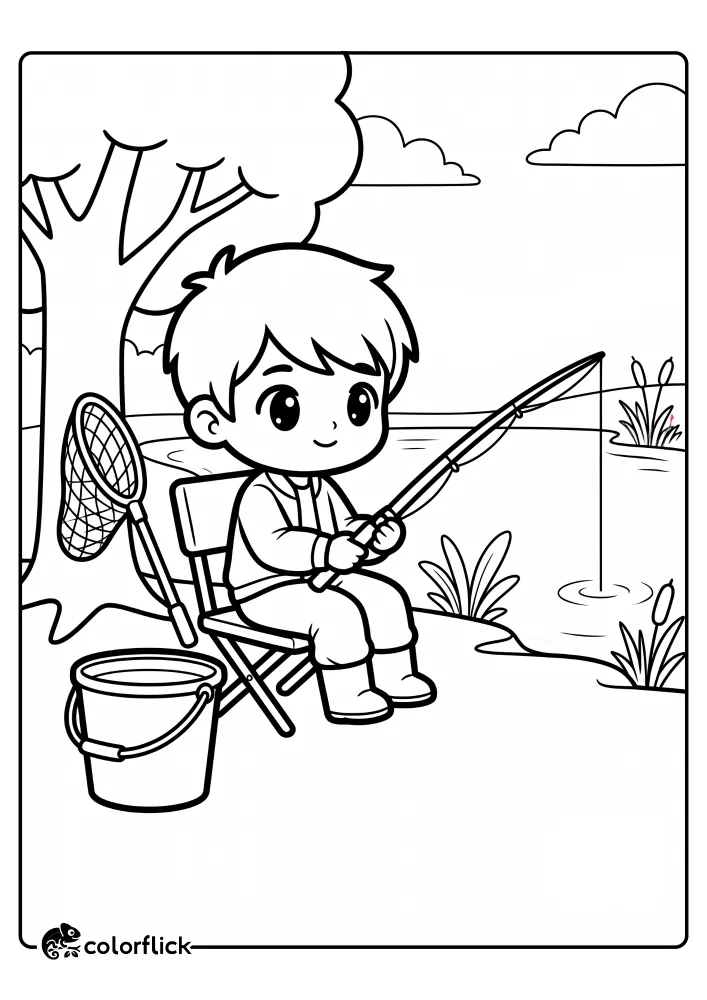
A rod bends. A line hums. That’s the sound of a cast landing right. Rods and lines let anglers reach far into the water. Hooks hold the catch. Nets scoop up plenty at once. Choosing gear depends on the water, the fish, the method — shore, boat, or ice. For kids, coloring these tools means slowing down for the small parts: the reel’s curve, the hook’s tiny bend. That precision work quietly builds fine motor control. And matching gear to task? That’s logic, disguised as fun.
Water Worlds: Lakes, Rivers, and Ocean Banks
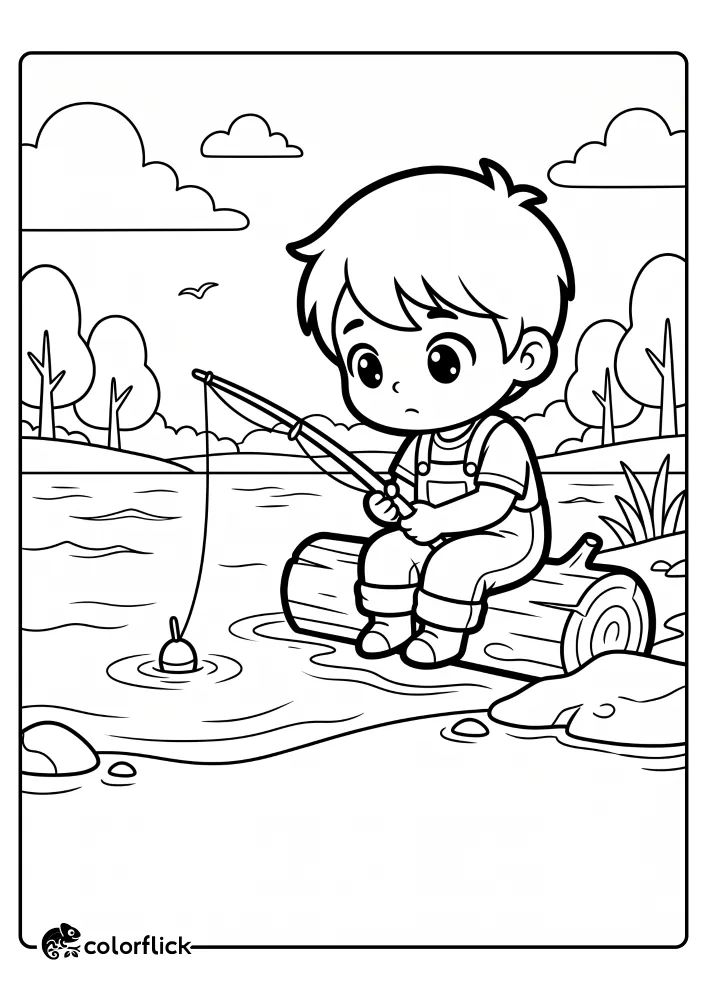
Still water. Moving water. Salty water. Lakes sit calm. Rivers flow from high ground to low. Oceans stretch out, salty and endless, linking the whole planet together. Each hosts different fish, different plants, different rhythms. Layering sky, water, and shore in a coloring page builds a child’s sense of space and distance. Blending blues — pale for a calm lake, deep for choppy ocean water — introduces gradient thinking without ever naming it. Some rivers run so long, a boat could travel for weeks and never see the end.
People Who Fish: Kids, Families, and Professional Fishers
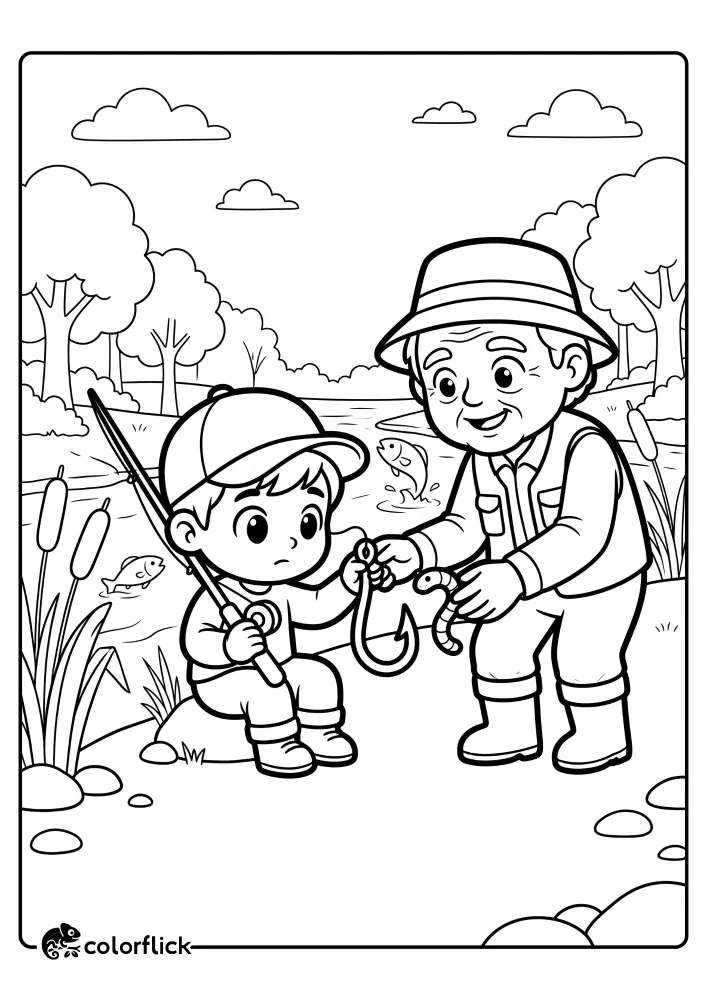
A grandfather ties a knot. His grandchild watches, learns, repeats it. That’s how fishing traditions travel — not through books, but through hands. Families fish for fun. Professionals fish for income, hauling in catch for markets. Kids fish just to learn. Coloring pages that show anglers at work connect tools and places to real human effort, which builds social understanding fast. It also opens the door to role-play: if I were out on that boat, what would I do first?
Nature Around Fishing: Birds, Trees, and Weather
Herons glide low, wings making a soft whoosh before they dip toward the water. Ducks paddle close to shore. Trees lean over the bank, casting shade fish rely on. Sun, wind, and clouds shift how fishing feels and how fish behave beneath the surface. Coloring these details — feathers, leaves, ripples — teaches kids that a fishing scene isn’t one object. It’s a whole system, working together. Different textures, different tools for the imagination.
Parents Often Ask
My child gets bored quickly with coloring pages. How do I keep fishing pages engaging?
Turn it into a story. Ask what the fisher is doing — catching dinner, exploring, just playing. Add a small challenge too: try three different shades of blue for the water.
Are fishing pages only for kids who love fishing?
Not at all. These pages teach habitats, tools, and nature to any curious kid. Even without an interest in fishing itself, the boats, birds, and colors make for a solid creative project on their own.
Count and Find: A Fishing Page Game
Turn coloring time into a mini scavenger hunt. Hand your child a simple checklist:
Find and count the fish on the page. Spot one bird near the water. Locate the rod or net. Count the trees or clouds in the background.
Once they’re done coloring, have them share their findings with you. Small task. Big payoff in observation skills.
Conclusion
Fishing coloring pages hold more than fish and boats. They hold biology, geography, family tradition, and a little bit of weather science, all folded into something a child can color at the kitchen table. Ready for more? Head back to our full gallery and reel in your favorite page today.