Kids are drawn to birds. Bright colors, interesting shapes, paired together — lovebirds practically beg to be colored in. These small parrots from Africa aren’t just adorable; coloring them builds real skills. Fine motor control. Visual attention. Early science vocabulary. And a quiet, focused kind of joy that screen time rarely delivers.
Explore and Download Our Free Lovebird Coloring Pages Collection
We’ve put together a beautiful, ready-to-print collection of lovebird coloring pages — all completely free. Every design features clean, friendly outlines perfect for little hands, with enough detail to keep older kids genuinely engaged.
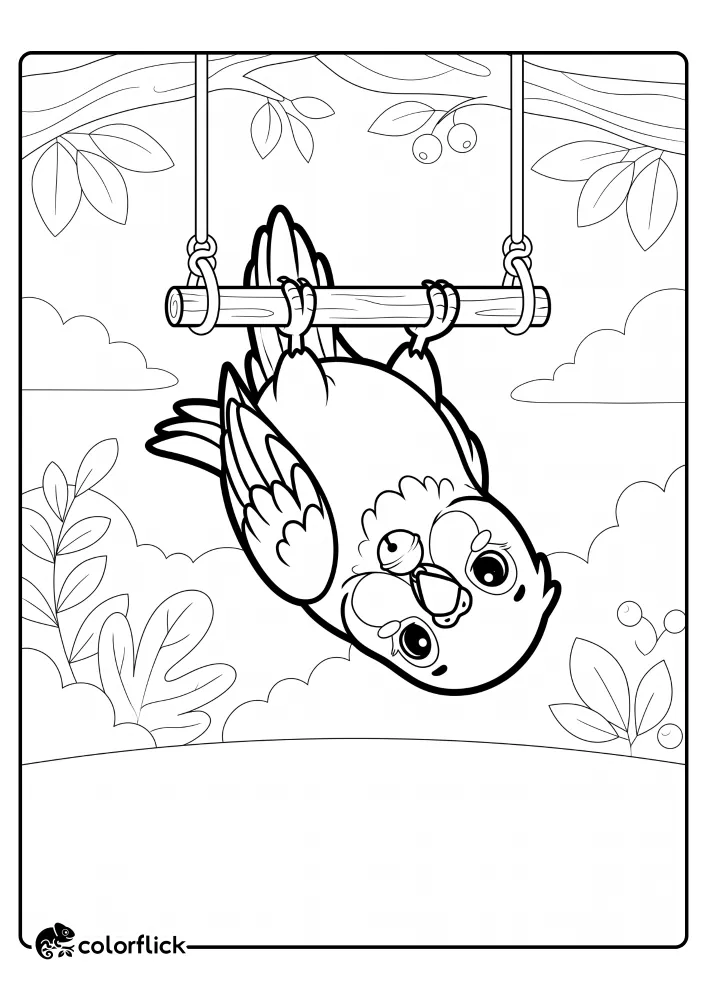
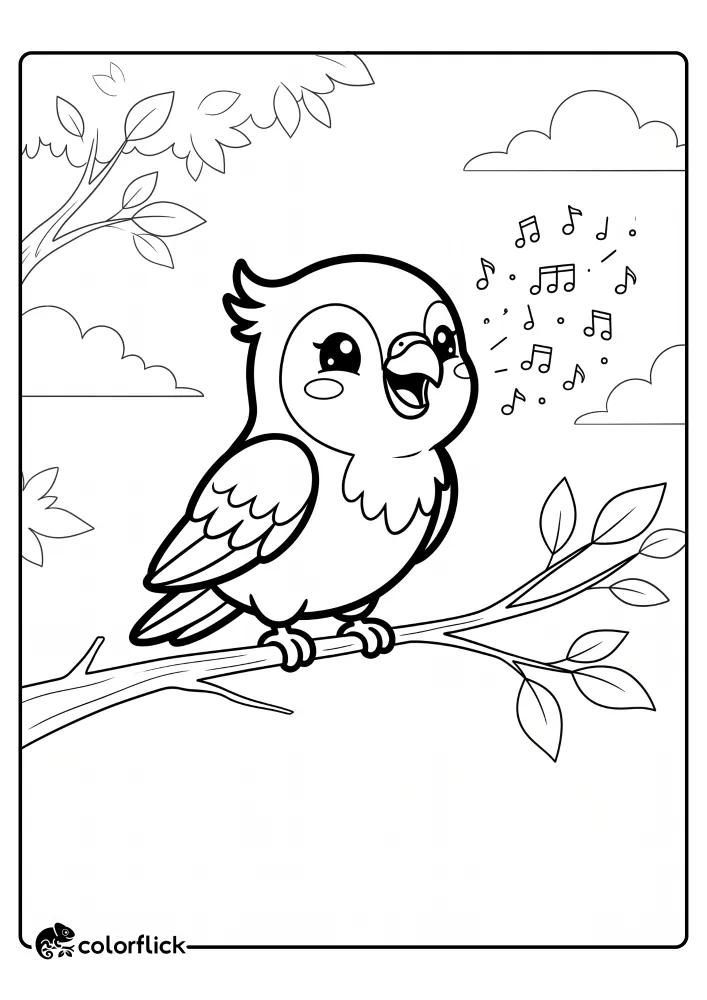
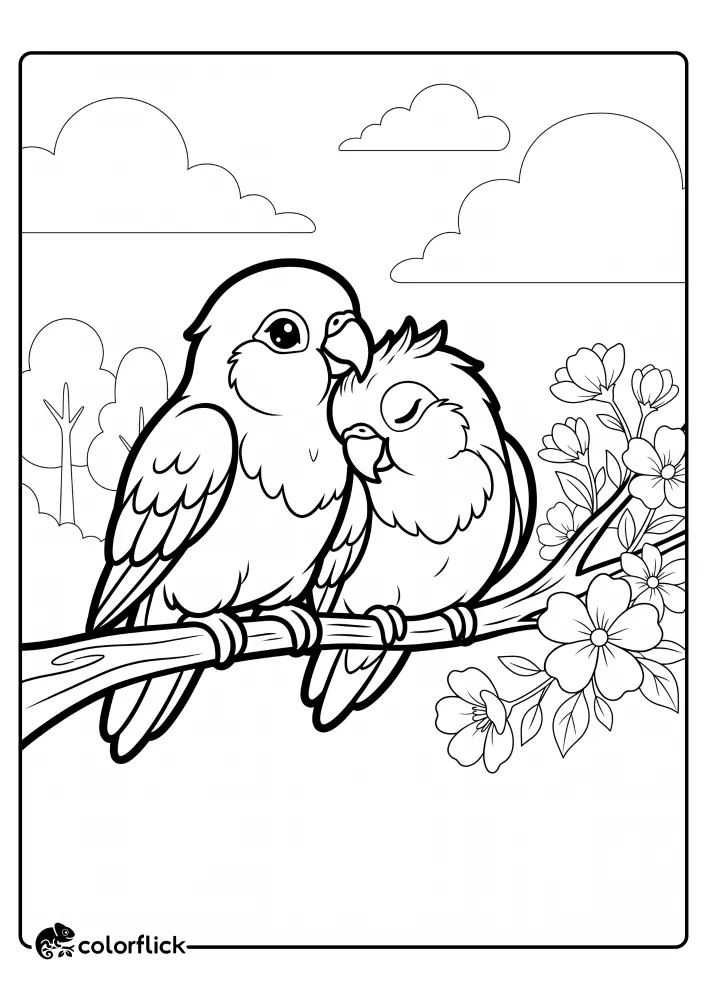
Lovebird Coloring Pages: Cute Pair-Bonded Birds
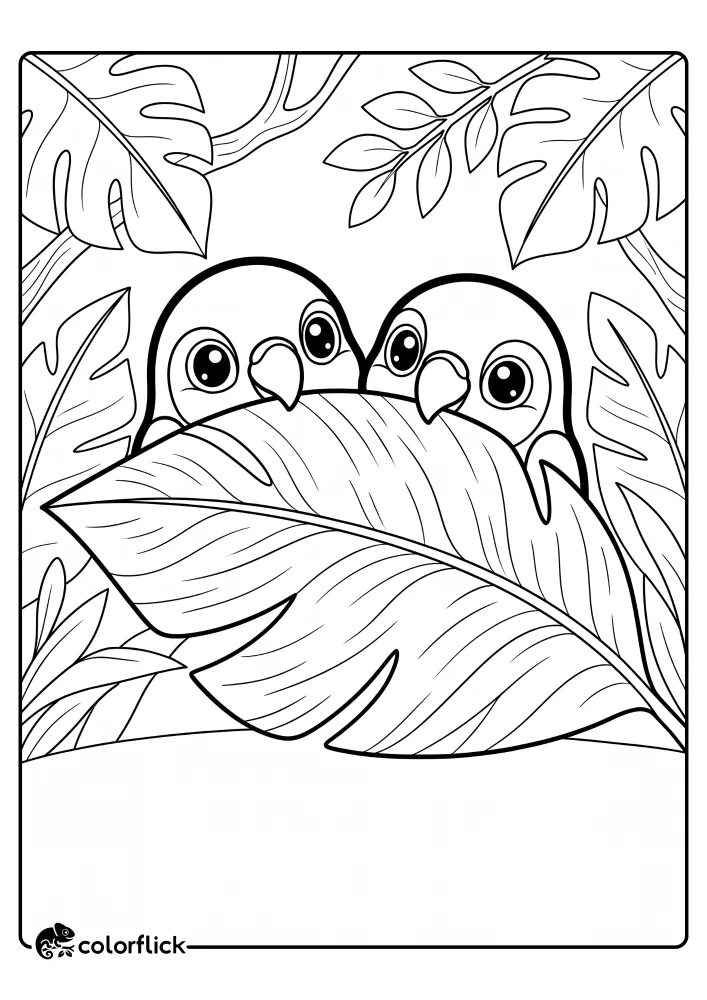
Small. Bright. Inseparable. Lovebirds belong to the genus Agapornis — a group of tiny parrots native to Africa and Madagascar. They live in flocks, eat seeds and fruit, and are famous for one very charming trait: they stick together.
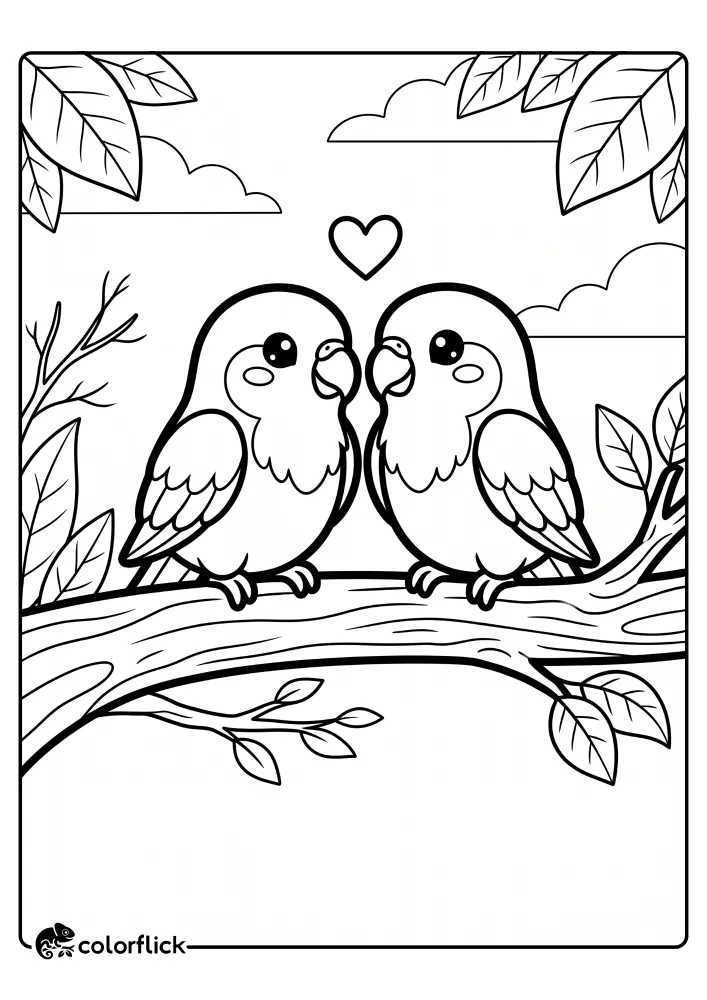
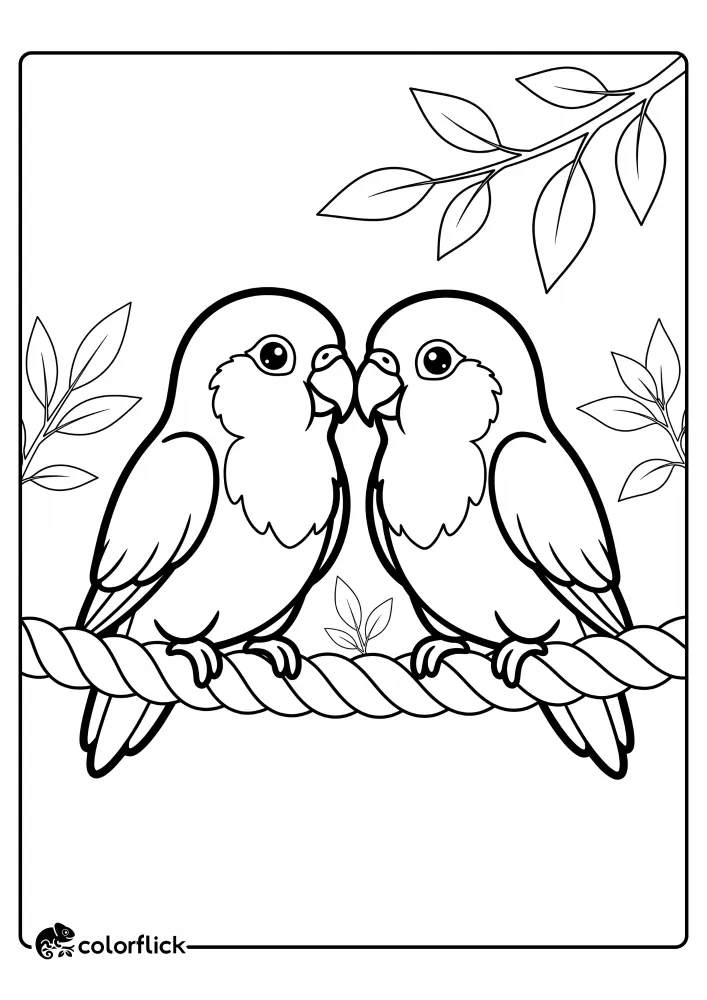
Coloring two birds side by side is more meaningful than it looks. Kids naturally scan both figures, comparing shapes and patterns. That back-and-forth builds visual attention and symmetry awareness. And the word “flock” — worth teaching early. So is “feathers.” So is “pair.”
Colorful Lovebird Feather Patterns and Plumage
Green bodies. Peach heads. Splashes of red, yellow, and sometimes blue. Lovebird plumage is genuinely wild with color — and that’s exactly why kids love coloring them.
Each feather section is a small exercise in control. Staying inside the lines of a curved wing. Repeating a color pattern across tiny rows. These aren’t just artistic choices — they’re building fine-motor confidence, crayon pressure awareness, and patience. Let kids go realistic or completely imaginative. Both are right. The feathers look soft and layered, almost silky, which makes the page feel satisfying to fill in.
Check out these free printables:
Bird Coloring PagesLovebird Nesting Habitats and Tree Cavities
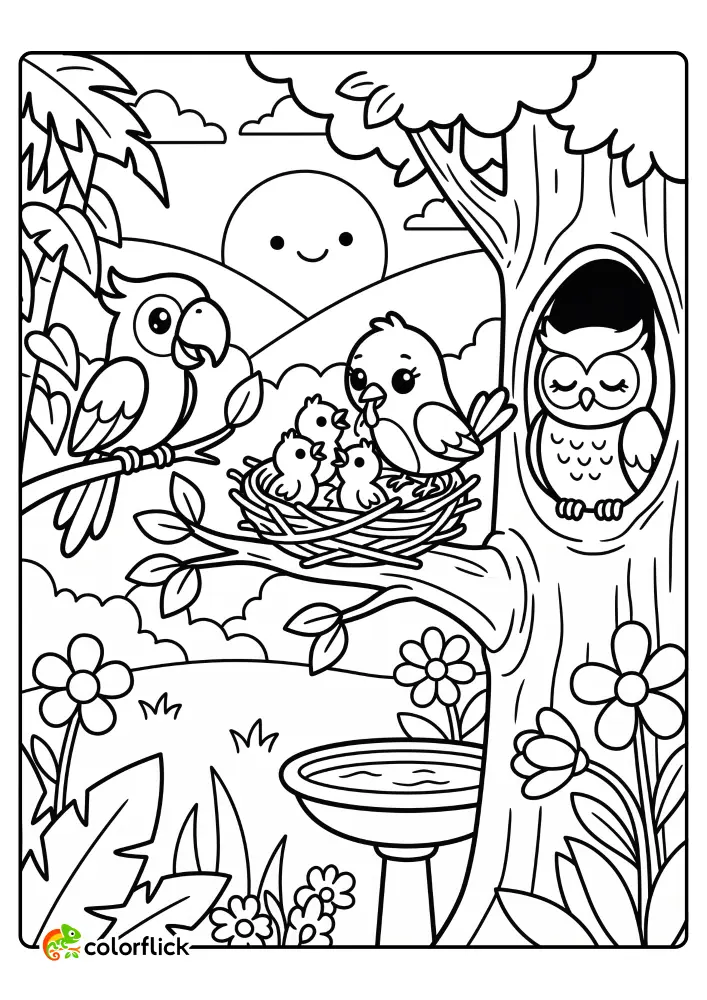
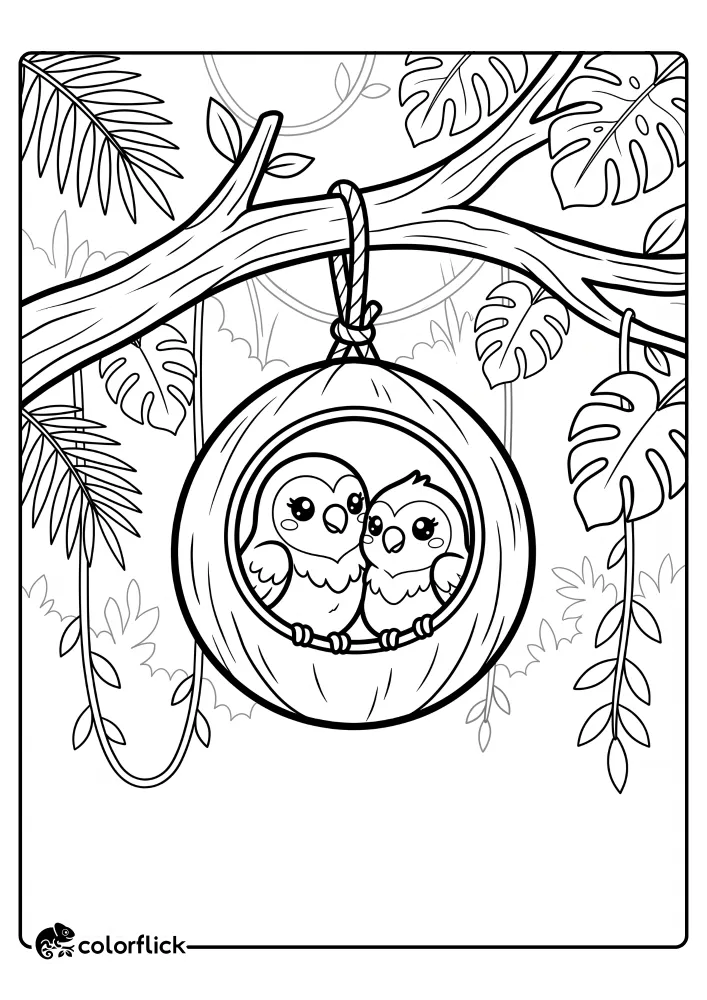
Here’s something most kids don’t know: lovebirds live in holes. Tree cavities, rock crevices, tight little sheltered spaces — they’re cavity dwellers by nature. Some have even adapted to city environments when wild nesting spots run short.
Adding a habitat to the coloring page transforms it. Suddenly it’s not just a bird — it’s a bird somewhere. Branches, bark, a hollow in the trunk. Coloring backgrounds and environments builds spatial thinking, the mental skill of understanding how objects relate to the space around them. Some lovebirds carry bark strips for nesting material. Others tuck it in clever, almost secretive ways. Worth mentioning out loud while coloring together.
Lovebird Pair Bonding and Social Behavior
Two birds. One bond. Lovebirds are social in a very specific, visible way — they communicate through posture, through closeness, through the way they feed each other and move through a flock in sync.
That makes pair-focused coloring pages quietly powerful for kids. A page with two birds interacting opens real conversation. What does it look like when a friend needs help? What does “together” feel like? The vocabulary here matters: partner, cuddle, together. And the history is sweet — lovebirds have appeared in Valentine-themed art for centuries, long before they became popular pets, because humans have always recognized something tender in the way they behave.
What Lovebirds Eat in the Wild
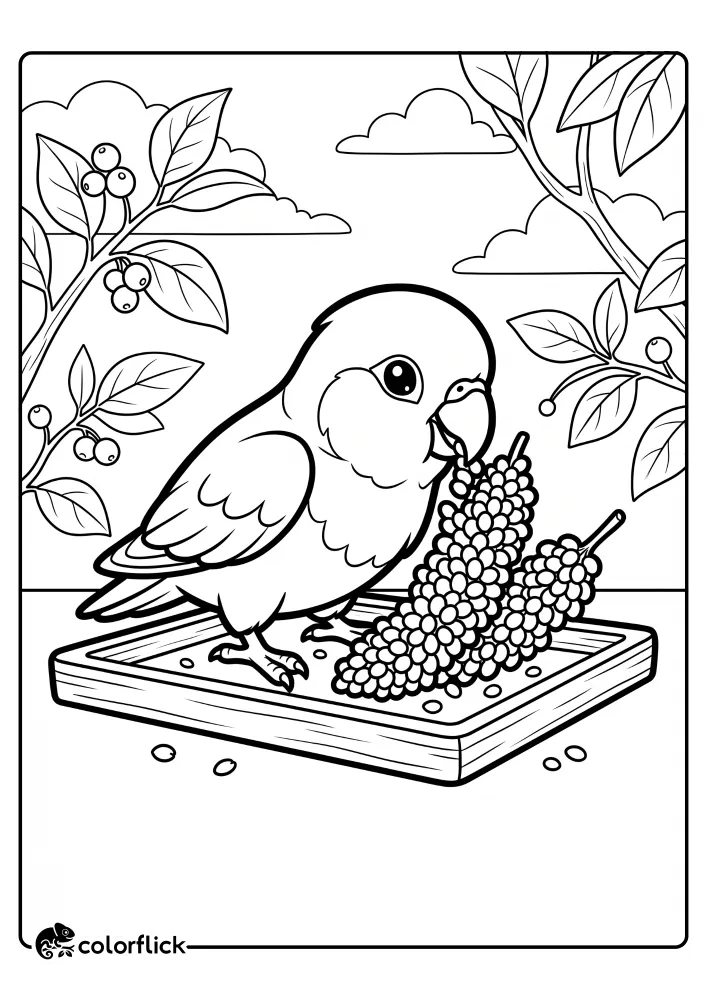
Seeds. Berries. Fruit. The occasional insect. Lovebirds are connected to their ecosystems in a real, functioning way — they help disperse seeds as they eat and move through their habitat.
A coloring page with food elements becomes a tiny science lesson without feeling like one. Tiny round seeds clustered on a branch. Plump berry shapes. Wide tropical leaves. Kids associate the bird with something it needs, not just how it looks. That’s early ecology thinking. Cheerful and concrete. The page feels busy and alive — which is exactly how it should feel.
Free Printable Lovebird Coloring Page Layouts
Page design isn’t invisible. It matters.
Simpler, wider outlines work beautifully for younger children — cleaner shapes, fewer tiny details to navigate. Older kids benefit from feather texture, layered wings, and background scenes that reward sustained focus. Our lovebird collection is designed with both in mind: crisp black-and-white outlines, clear bird shapes, and decorative details that feel rewarding rather than overwhelming. Good structure means kids stay with the page longer. And longer focus is always the goal.
The “Myth vs. Fact” Lovebird Lesson That Changes How Kids See Animals
Parents hear it constantly. “Are lovebirds really in love?” It’s an honest question.
Myth: Lovebirds feel human-style romance.
Fact: Their bonding behavior is about survival — coordinating with a partner, staying safe in a flock, raising young together. It’s social intelligence, not sentimentality.
This is a genuinely useful conversation to have with a child. Animals do incredible, relationship-like things for real, functional reasons. Naming that — while coloring two small parrots on a branch — is exactly the kind of quiet, meaningful moment that sticks. It teaches kids to observe behavior, ask why, and resist oversimplification. Those are big thinking skills dressed up in a small, feathery package.
The Lovebird Scavenger Hunt: Turn Coloring Into a Focus Game
Before the crayons come out, try this.
Ask your child to search the page first. Count the feathers you can see. Find the nest twigs. How many leaves? Are there any berries? Any heart shapes in the design? Give them sixty seconds. Then start coloring.
This simple “find it” game activates attention in a different way. Kids look at the whole page before committing to one spot. They build a mental map of the illustration. When they start coloring, their focus is sharper and their choices feel more intentional. It also makes the activity last longer — always a win.
How to Print Your Lovebird Coloring Pages
Printing is simple. Every file in our collection is a free printable PDF, formatted for both A4 and US Letter paper sizes. No resizing needed. No fuss.
Download, open the PDF, and print directly from any home printer. Standard paper works perfectly. For a more durable page — especially for younger kids who press hard — a slightly heavier paper stock makes a real difference. That’s the only upgrade worth considering.
A Quiet Moment, a Bright Page, and Two Small Birds
Lovebirds are genuinely wonderful starting points for young colorists. The colors are bold. The shapes are approachable. The stories — about flocks, nests, food, and friendship — are easy to talk about and hard to forget.
Head back to our main gallery whenever you need a fresh page. There’s always something new waiting.