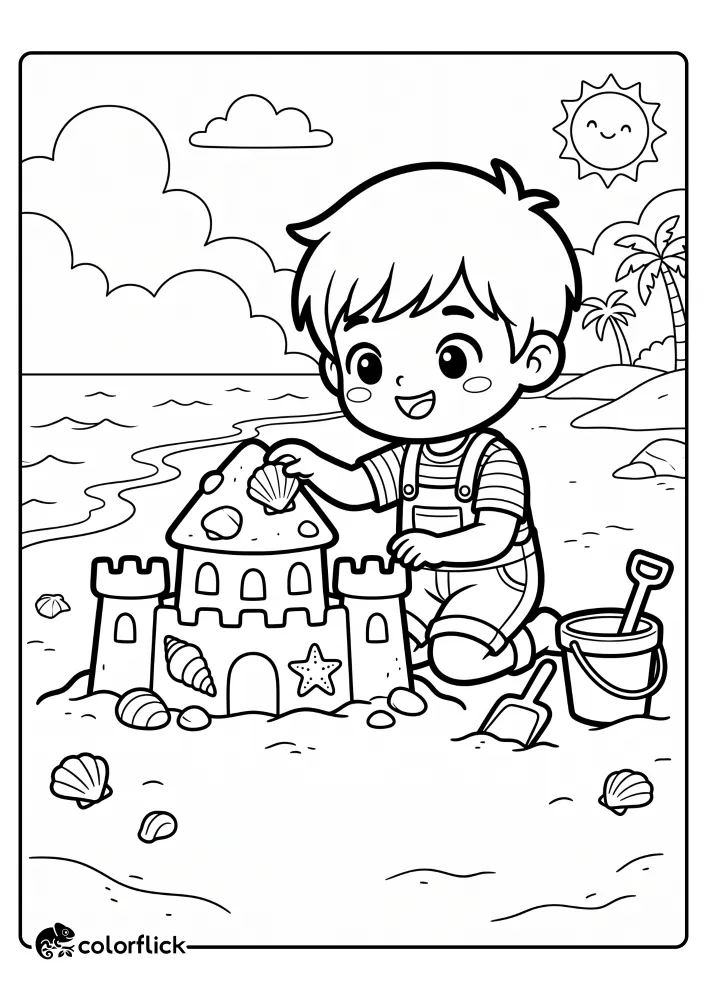
Towers. Turrets. A moat that might actually work. Sand castles are more than summer fun — they’re early engineering, geometry, and science all packed into one beach afternoon. Coloring them builds spatial reasoning, focus, and a genuine love of the coast.
Download Our Free Sand Castle Coloring Pages Collection
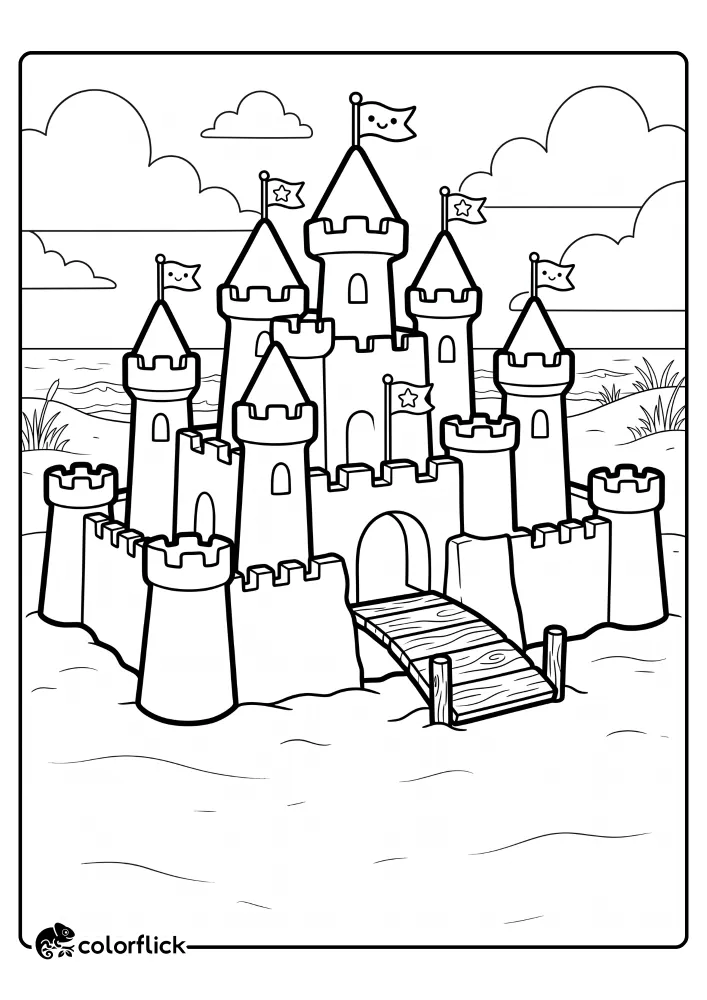
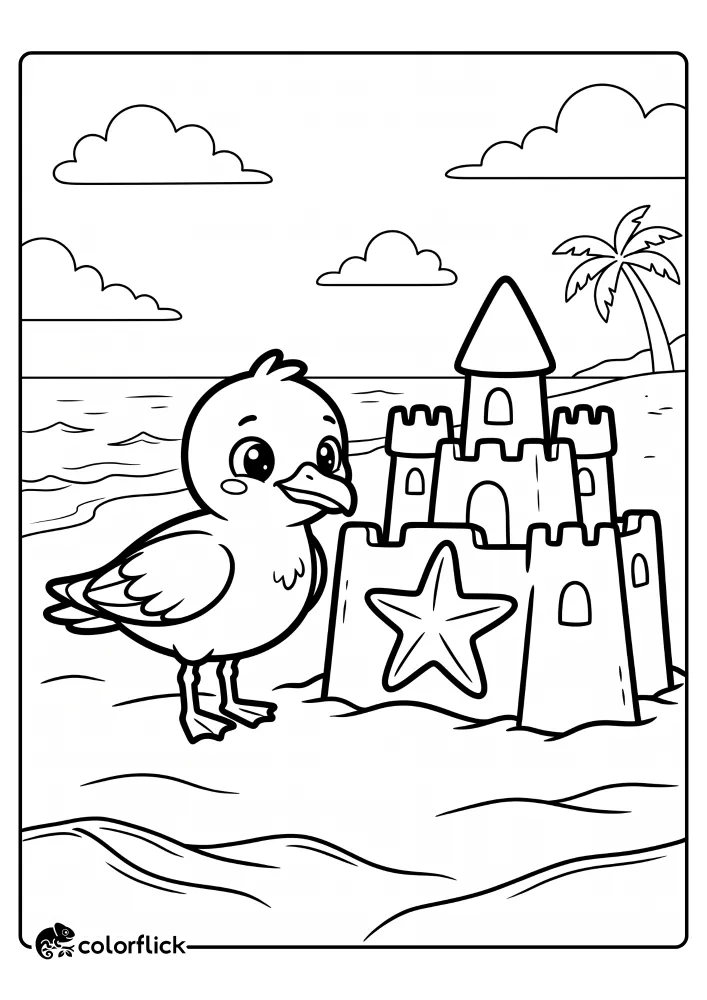
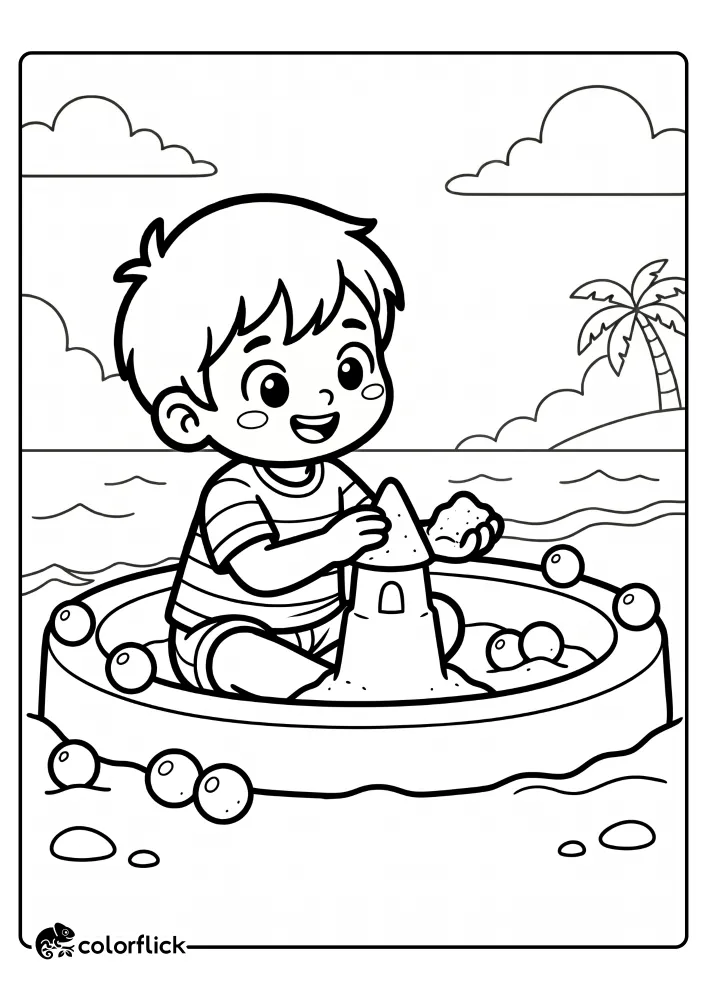
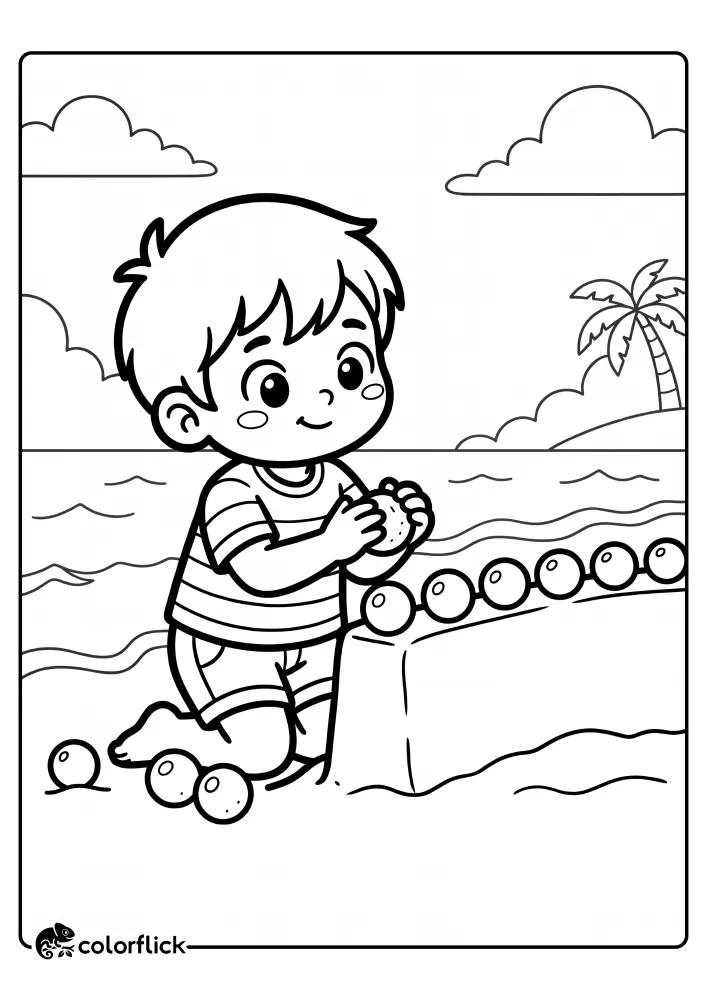
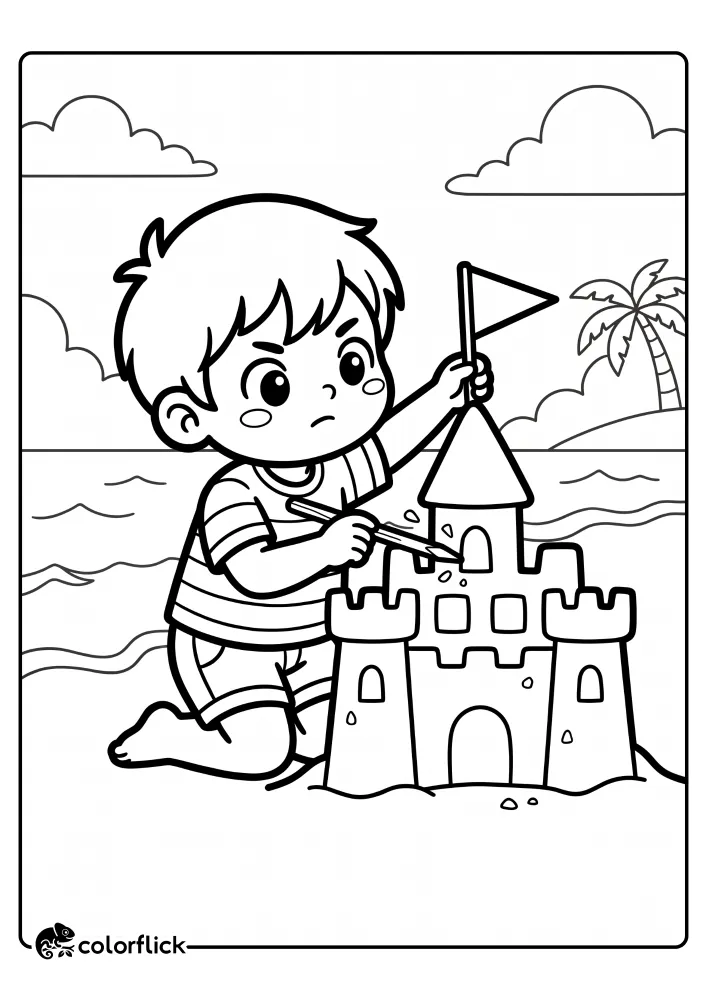
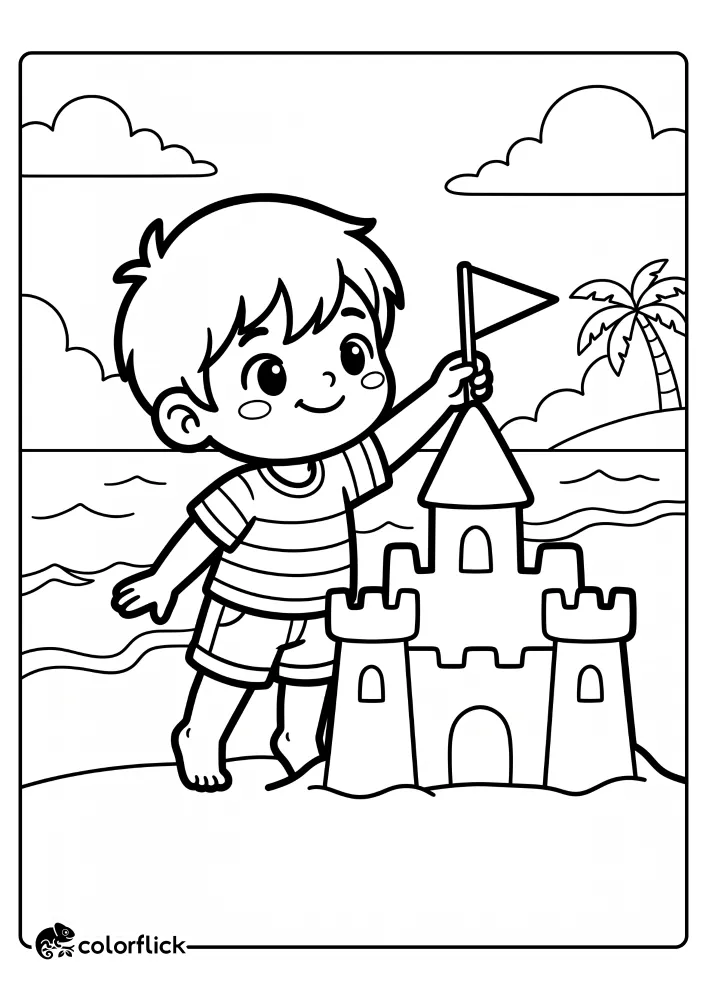
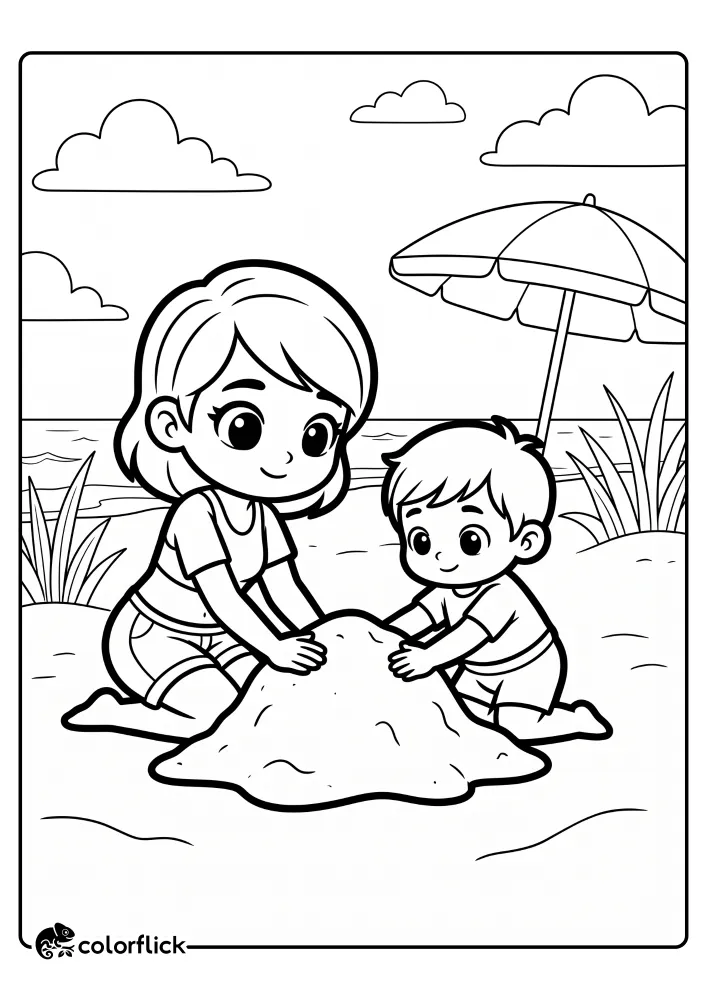
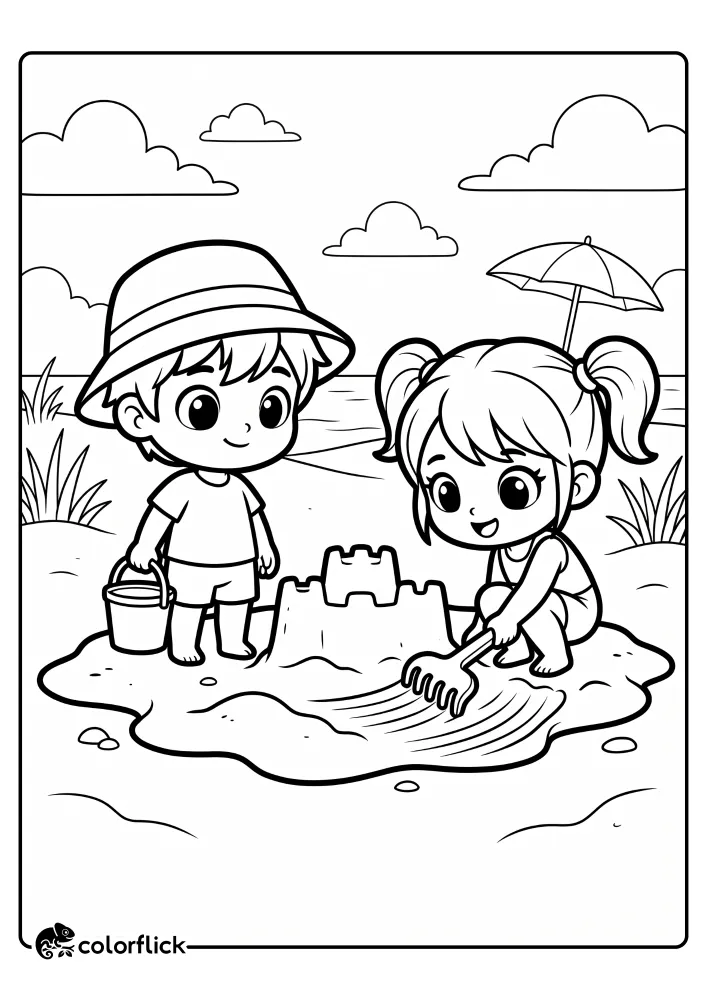
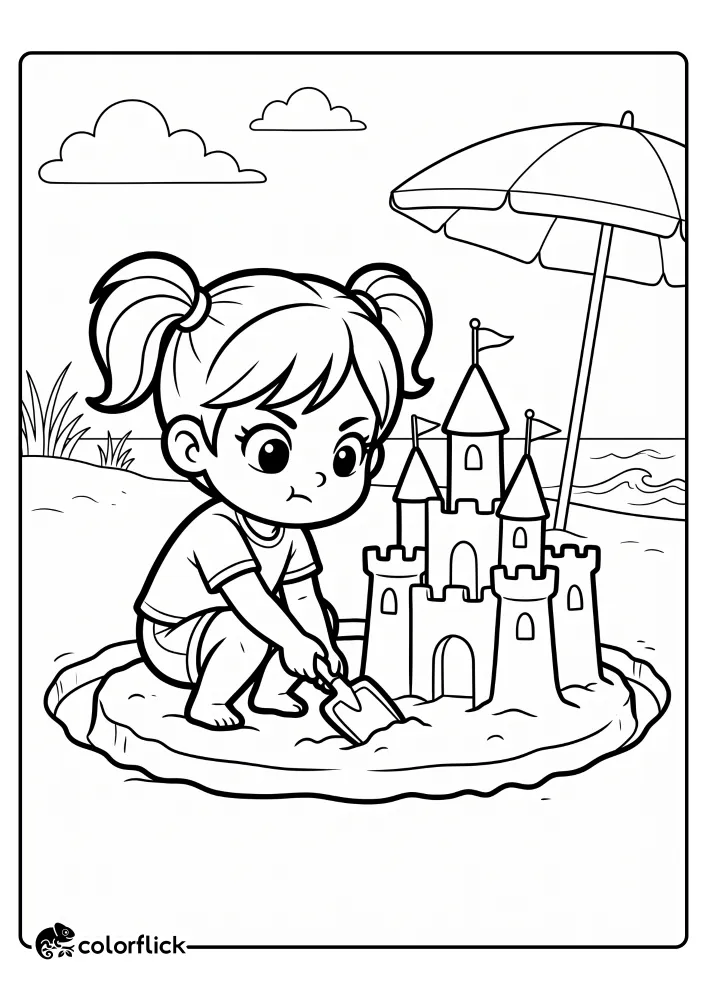
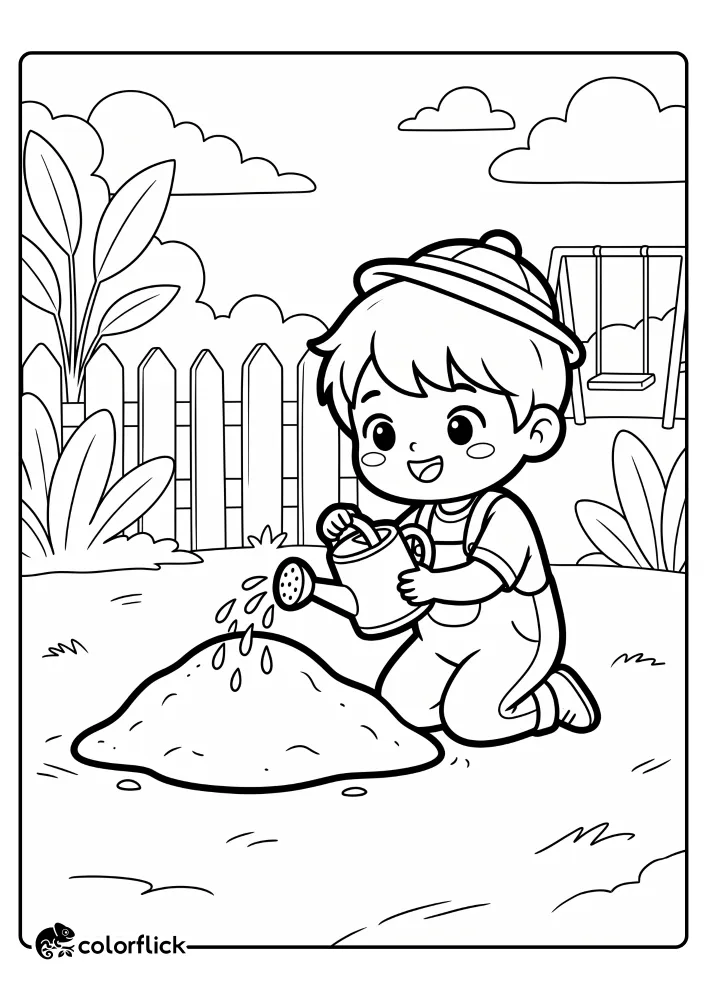
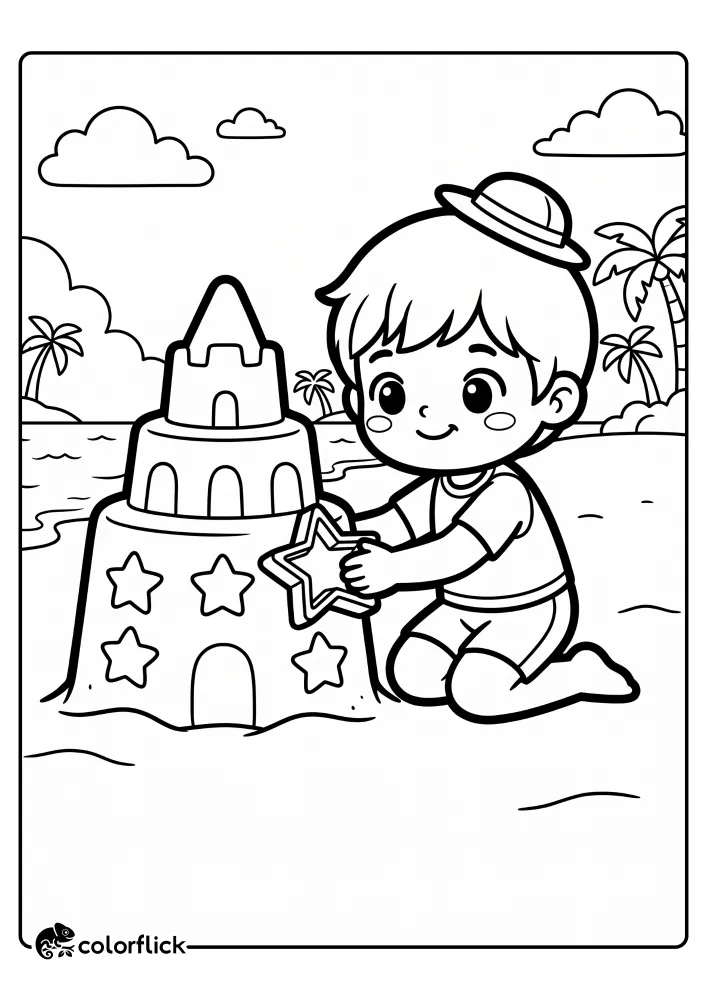
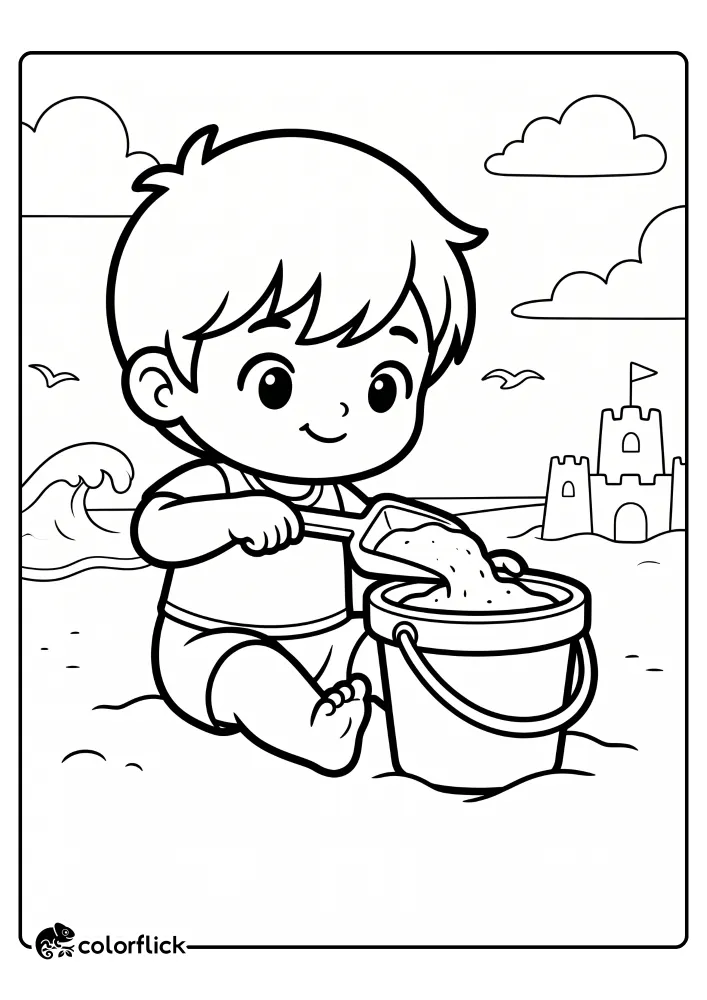
We’ve put together a beautiful, curated set of sand castle coloring pages — from simple single-tower designs for little ones to detailed fortress scenes with moats, walls, and arches for older kids. Every page is ready to print and completely free.
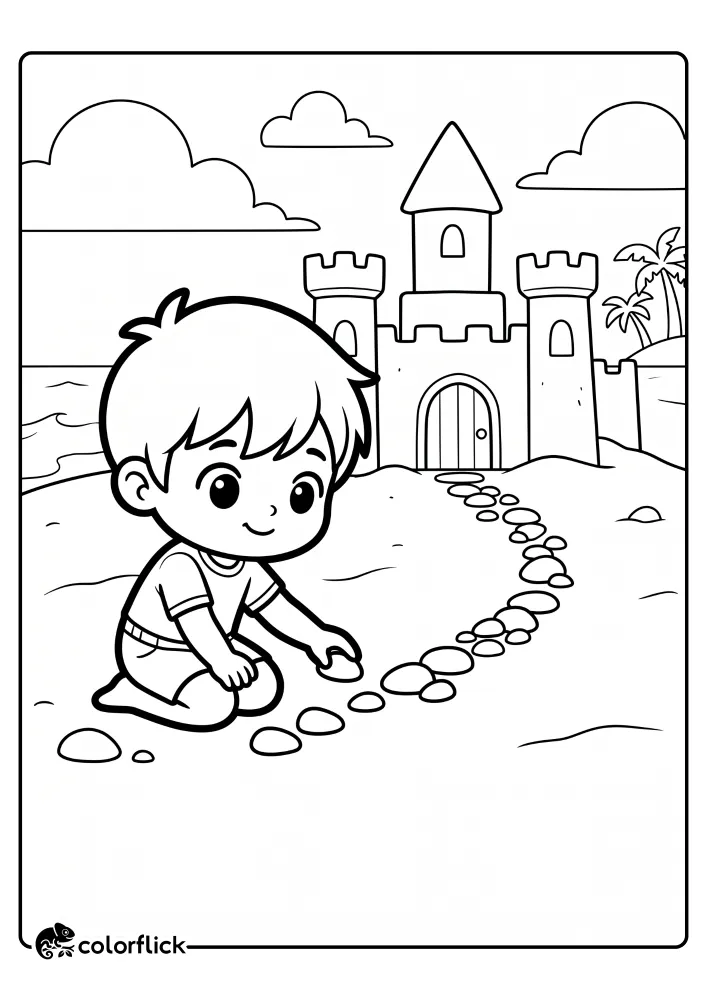
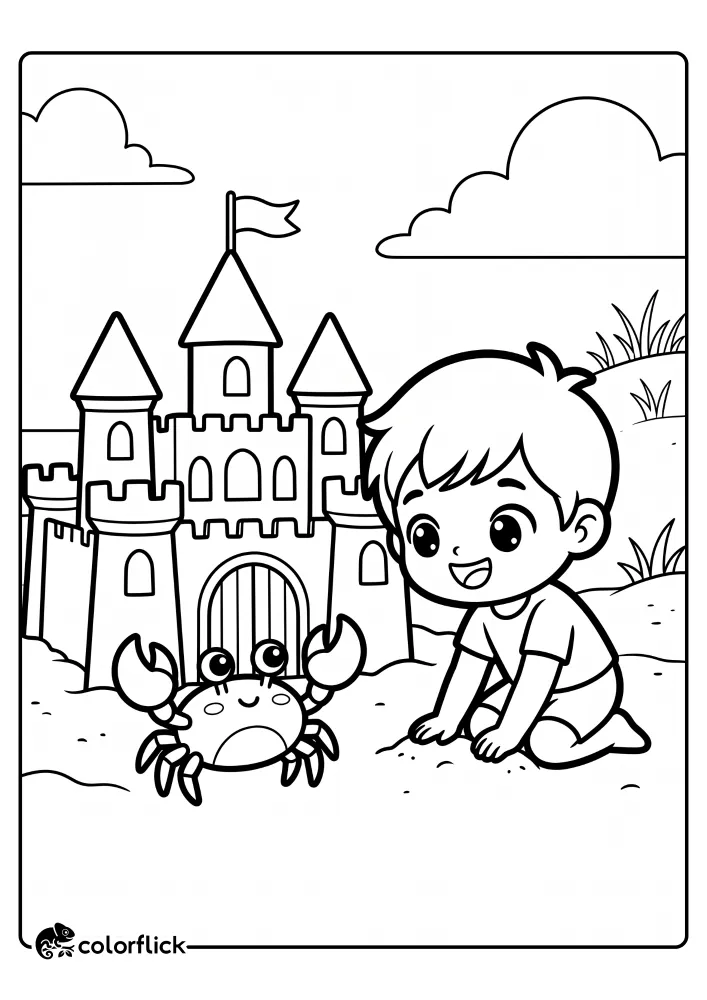
What Is a Sand Castle?
Dry sand? Useless. Add a little water, though, and something almost magical happens.
A sand castle is a temporary structure — towers, walls, and shapes packed from damp sand on a beach. It will wash away. That’s actually the point. Understanding that something can be beautiful and impermanent is a genuinely big idea for young minds. Coloring repeating geometric shapes like cylinders and rectangles sharpens spatial reasoning while quietly introducing the concept of transience. Key words to use with your child: damp, tower, moat.
The Surprising Science of Why Damp Sand Sticks Together
Too wet and it slumps. Too dry and it crumbles. The sweet spot is surprisingly precise.
Scientists have found that the ideal water content for a strong sand castle is just 1–2% by volume. At that level, tiny “capillary bridges” form between individual sand grains — essentially invisible rubber bands holding everything together through surface tension.
A child coloring a sand castle is already thinking about this without realizing it. Why does the base look solid? Why does the top feel fragile? Those questions are early science thinking about states of matter and cohesion, emerging naturally from a colored page.
Moats, Walls, and Barriers
Here’s a problem every beach kid has faced: the wave is coming. What do you build?
A moat is a water-filled trench dug around the castle base. A barrier — made from rocks, sticks, or a packed sand wall — is built to slow waves down before they hit. Both work by dissipating wave energy. Interestingly, a moat can either protect your castle or destroy it faster, depending on how it weakens the base. That cause-and-effect logic — wave hits barrier, less damage reaches castle — is genuine problem-solving, and coloring these features helps children visualize it. Vocabulary to introduce: moat, barrier, dissipate.
Sand Castles and Summer
There’s something about a sand castle that just means summer.
The cool, gritty feeling of wet sand. The ocean doing its quiet “shhh” in the background. Sand castle coloring pages tap directly into those emotional memories — or build them for children who haven’t made it to a beach yet. That emotional connection isn’t trivial. Positive associations with learning activities matter deeply for long-term engagement. Teachers regularly use summer sand castle pages in classroom bulletin boards to build a whole “seaside gallery.” The finished pages feel like a little piece of vacation.
Turn a Coloring Page Into a Real Beach Collage
Finished coloring? Don’t stop there.
Print the sand castle page, brush a thin layer of craft glue across the base of the castle, then let your child sprinkle clean, dry sand over it. Shake off the excess. Add a few small shells or paper shell cutouts. Let it dry completely.
That’s a beach collage. It builds fine motor skills — the careful gluing, the controlled sprinkling — and bridges imagination to hands-on creation. Don’t stress about mess or imperfect edges. Uneven sand and crooked shells are exactly what makes it feel genuinely beach-like. Real beaches aren’t tidy either.
Safe for toddlers? Use clean, dry sand, keep it away from faces, and supervise closely. Colored sand in a contained tray works beautifully for younger ones.
Myth vs. Fact: What Actually Makes a Sand Castle Strong?
Myth: “The more water you add, the stronger the castle.”
Feels logical. More water = more sticking power, right? Wrong.
Past that 1–2% water volume sweet spot, water stops forming capillary bridges and starts filling the spaces between grains instead. The bonds break. The castle slumps. The actual science lesson here is that “more” is not always “better” — a genuinely important concept for kids to internalize well beyond the beach.
The Right Sand Castle Page for Every Age
Not all coloring pages fit all kids — and that’s fine.
Toddlers (ages 2–4) thrive with big, bold outlines. Single towers, large open color areas, minimal tiny details. The goal at this stage is simply fine motor development and focus — holding a crayon, staying roughly inside a line, finishing a page.
Older kids (ages 5–8+) are ready for the full experience. Detailed castles with arches, windows, moats, and multi-layered walls invite genuine curiosity. They can discuss water ratios, hypothesize about which barrier shape would work best, and tackle the sand collage craft independently. Writing a short story about their beach fortress afterward? Perfect extension activity.
Build Something Beautiful Today
Sand castles don’t last. The coloring pages do. Whether your child is a toddler gripping a fat crayon or an eight-year-old planning a moat defense strategy, there’s a page in our collection that fits exactly where they are right now.
Head back to the main gallery, grab your favorites, and let the building begin.