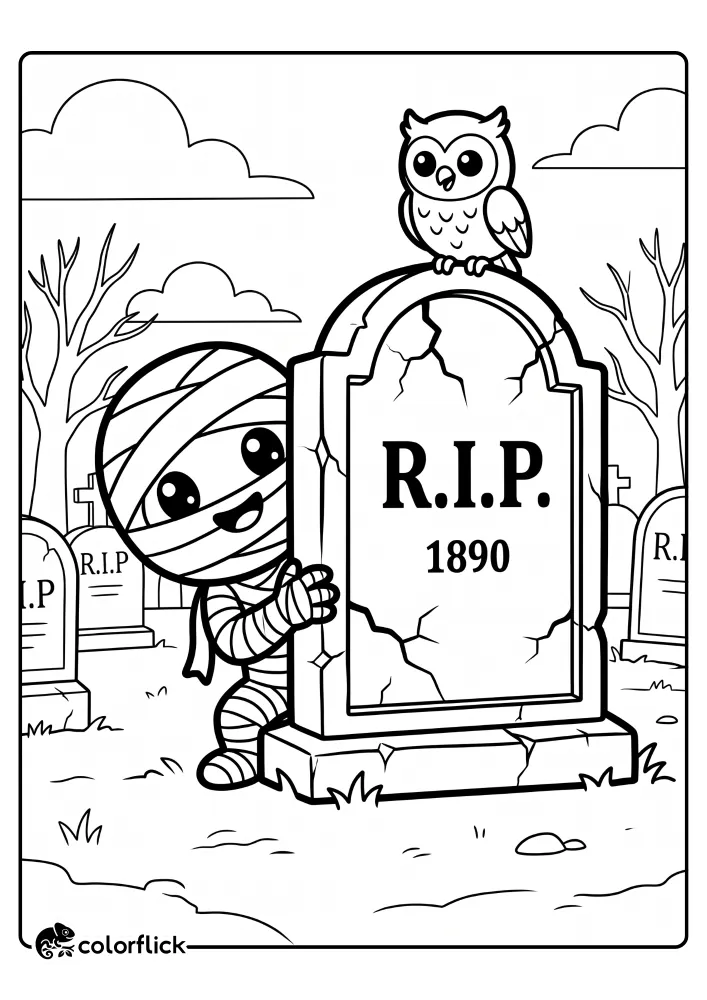
Kids go absolutely feral for mummies. The bandages. The tombs. The mysterious jars. It’s history that feels like a Halloween adventure — and that’s exactly what makes it such powerful learning material. These pages build pattern recognition, historical curiosity, and fine motor skills all at once.
Explore & Download Our Free Mummy Coloring Pages Collection
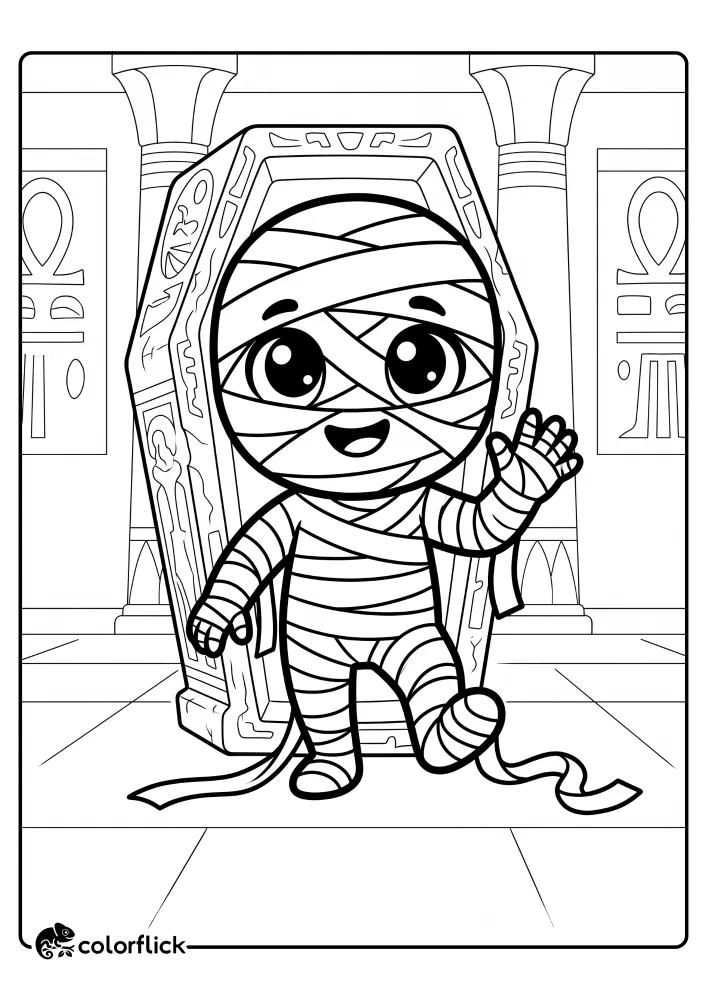
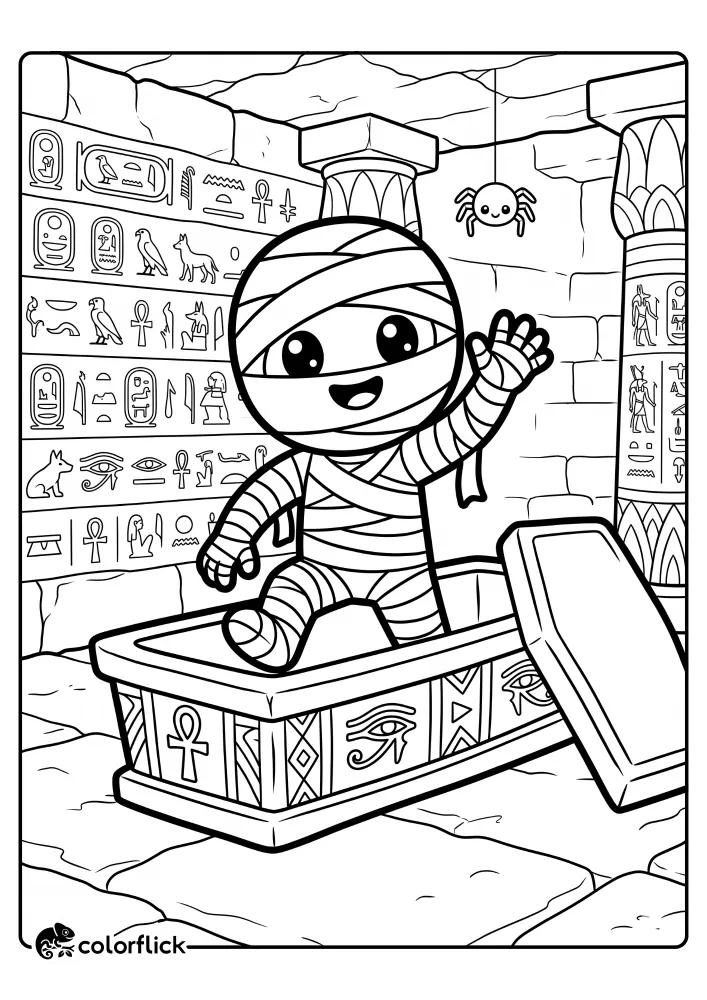
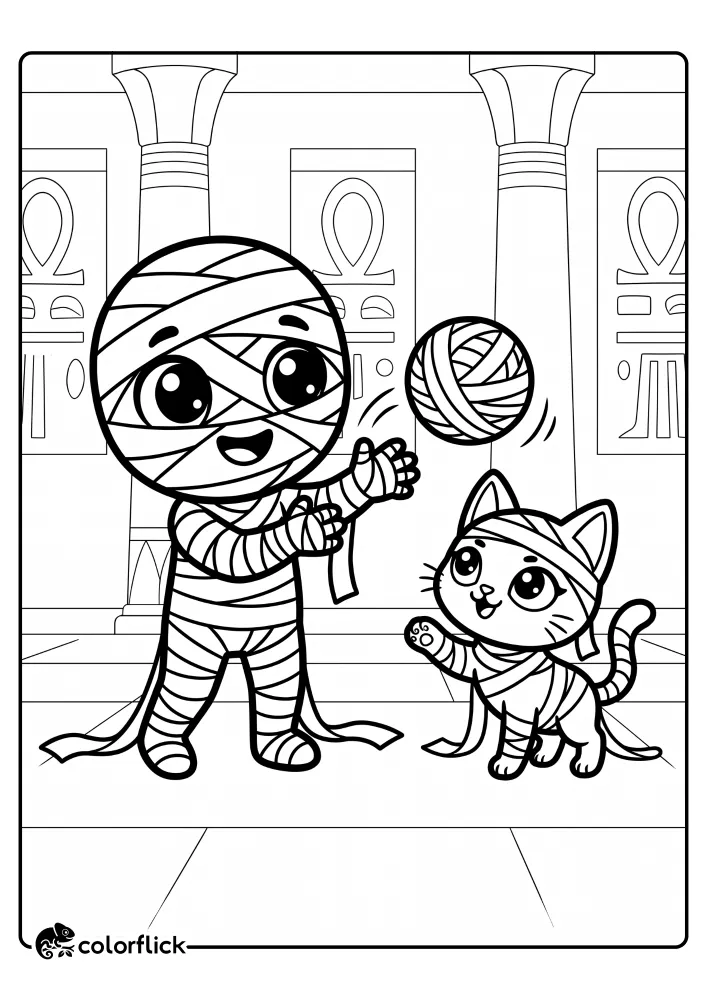
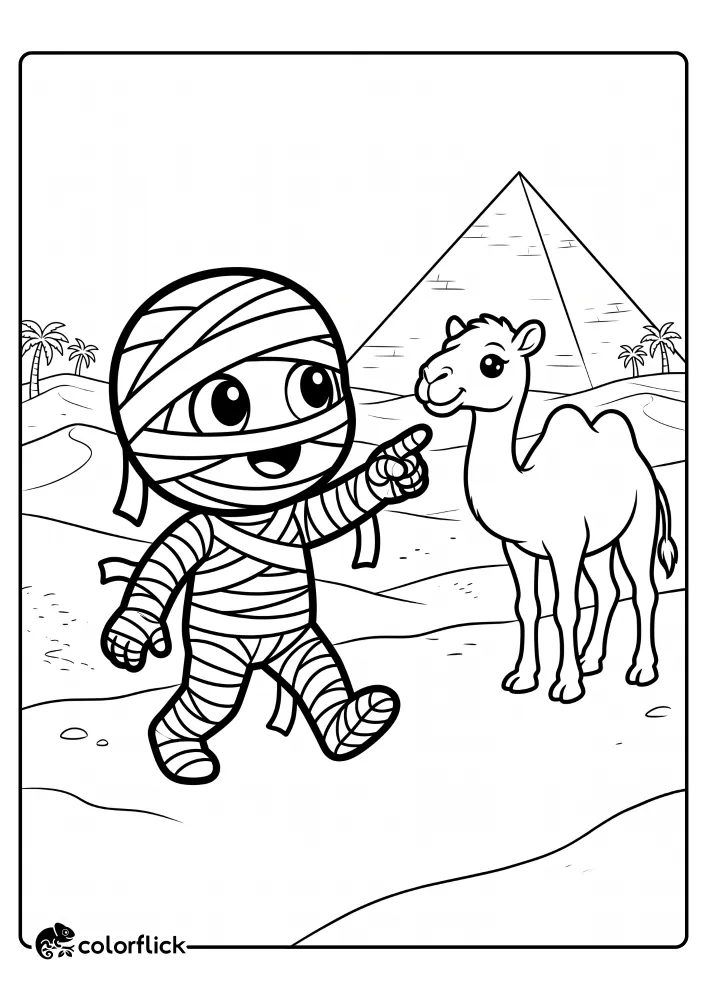
We’ve pulled together a gorgeous, completely free collection of mummy coloring pages — from spooky bandaged figures to detailed canopic jars and ancient tombs. Every page is print-ready and designed to spark real curiosity, not just fill time.
Every design is clean, age-appropriate, and genuinely fun to color.
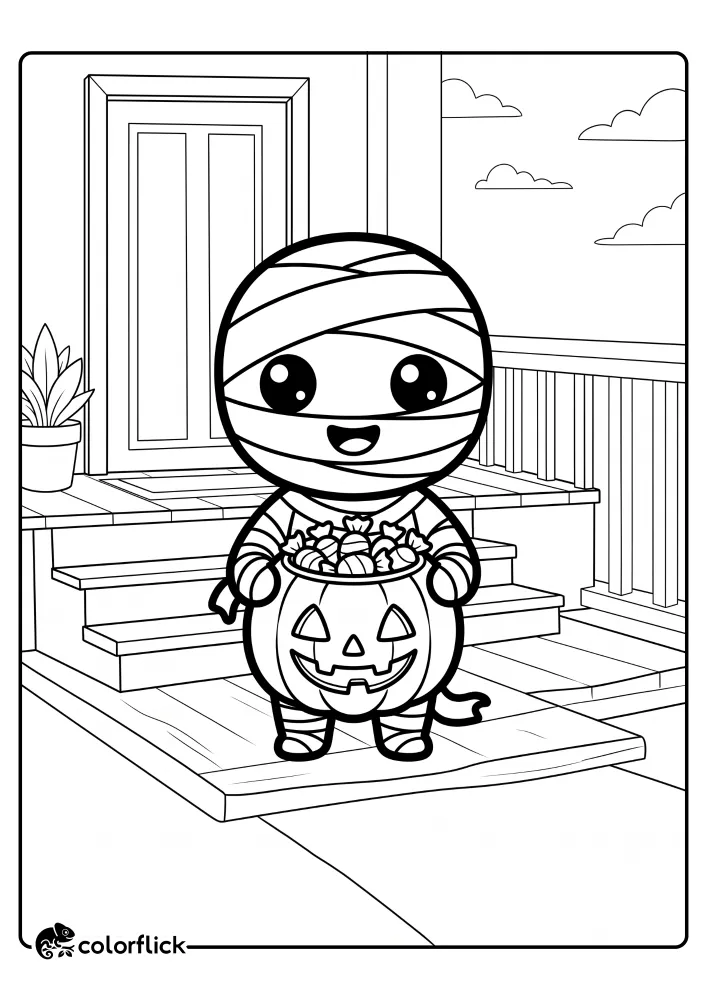
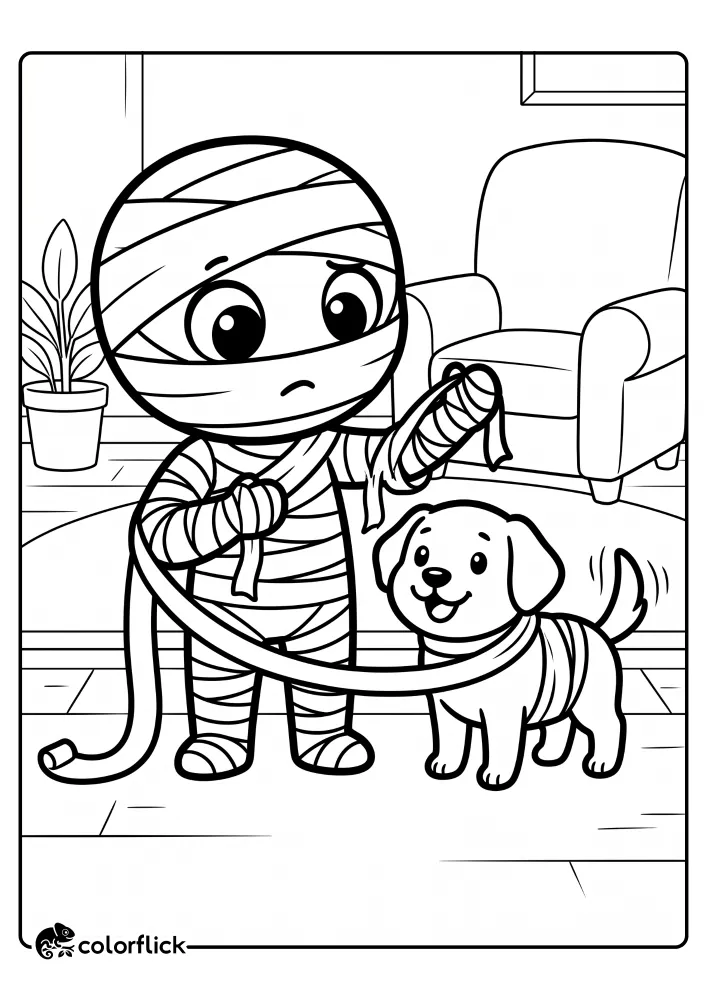
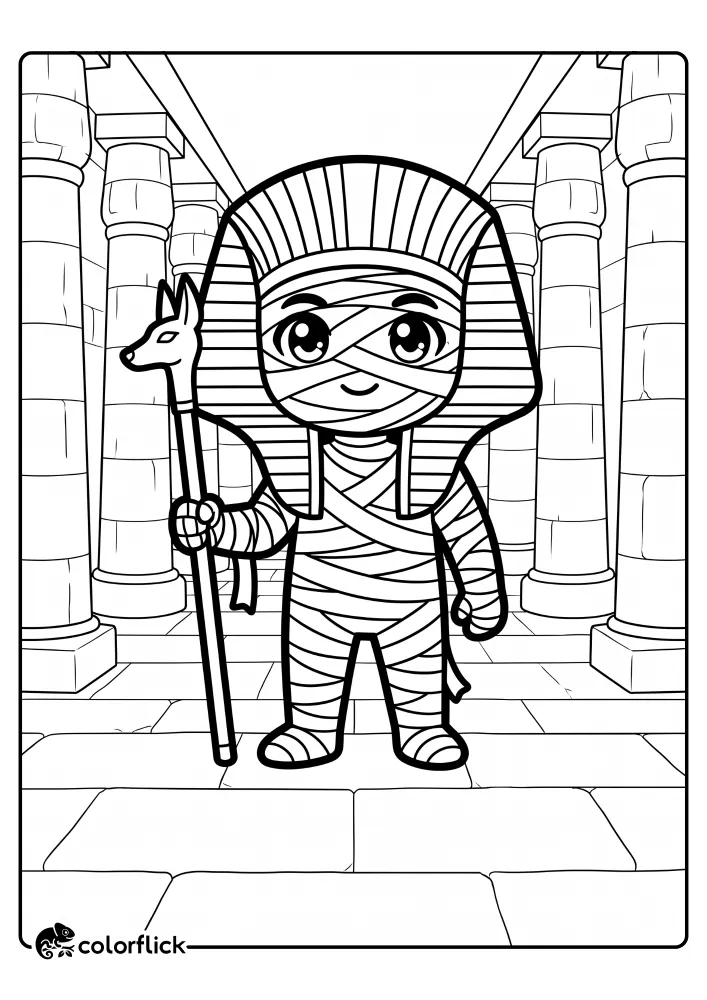
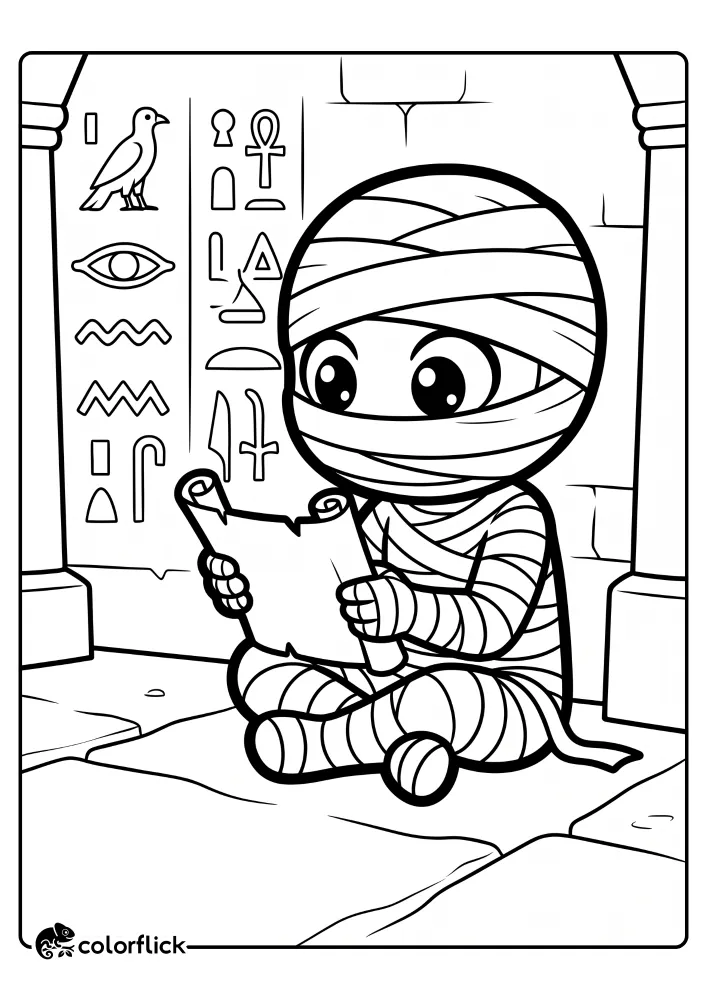
The Mystery of Mummy Bandages: Why Were They Wrapped So Tight?
Those iconic strips weren’t random. Ancient Egyptians wrapped the body in layers of linen cloth — then sealed the wrappings tight with tree sap or resin, meant to last forever.
Here’s the jaw-dropper: without all that cloth, a mummy weighs only about 5 pounds.
Coloring those repeating bandage stripes is genuinely useful for little hands. Pattern recognition. Layered thinking. The satisfaction of filling in each strip one by one. Simple work. Deep payoff.
Inside the Tomb: Where Mummies Sleep Forever
The tomb wasn’t just a grave. It was a fortress for the soul.
Carved wooden coffins sat inside burial chambers packed with symbols, prayers, and art — all designed to protect the deceased as they passed into the afterlife. And watching over all of it? Anubis — the jackal-headed god of mummification, one of ancient Egypt’s most recognized guardians.
Geometric tomb patterns make for rich, focused coloring. Spatial awareness develops naturally when kids navigate those tight, symbolic designs.
What Happened to the Heart, Lungs, and Stomach?
A child asks this question once, and they never forget the answer.
Embalmers — specifically a priest called the “ripper up” — removed the lungs, liver, stomach, and intestines. Each organ was mummified separately, then stored in canopic jars buried alongside the body. The brain? Pulled out through the nostrils.
The heart stayed. Egyptians believed it was needed in the afterlife.
The natron salt used to dry everything felt rough and gritty — like coarse beach sand. Coloring the jars gives kids a non-threatening, fascinating window into ancient preservation science and basic human anatomy.
Spooky Halloween Mummy or Real Ancient Egyptian Mummy?
These are not the same creature — at all.
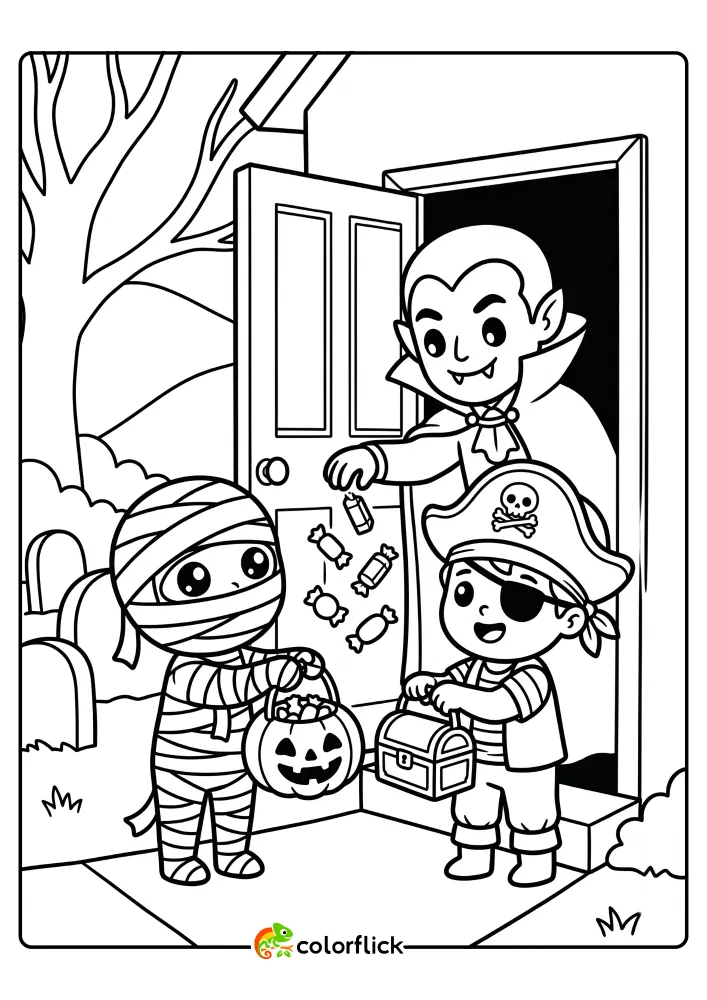
The Halloween mummy is pure fiction: a movie monster, a costume, a fun costume choice every October. The real Egyptian mummy is a preserved human being from over 3,500 years ago. No horror movie magic. Just science, salt, and ritual.
Despite every film ever made: no recorded evidence exists that a mummy has ever come back to life. Also? Egyptians made roughly 70 million mummies in total. Not just pharaohs — regular people too.
Coloring both versions side by side? Instant critical thinking exercise. Myth versus fact, rendered in crayon.
How Long Did It Take to Make a Mummy? The 70-Day Journey
Seventy days. That’s the number.
Forty of those days were spent drying the body completely in natron — a naturally occurring salt. Then came the preservatives: spices and resins with a scent that ancient workers described as sweet and warm, something like cinnamon and desert herbs layered together.
Then, finally, the wrapping began.
Coloring a step-by-step timeline of this process teaches kids something modern life rarely does: that big things take real time, real patience, and many careful steps. That’s a life lesson wearing 3,000-year-old linen.
The Tomb Has Been Opened — Now Go Color It
Mummy coloring pages are one of those rare activities that work on multiple levels at once: history, science, mythology, fine motor practice, and genuine fun. Kids remember what they color. They ask questions. They come back to the page.
Head to the main gallery, grab the full free collection, and let the 70-day journey begin — one stripe at a time.