We’ve all been there—you print a sweet little garden scene, hand it to your toddler with their favorite marker, and thirty seconds later the paper is torn, the lines are scribbled over, and someone is in tears. Usually not just the toddler. The good news? The fix isn’t a new printer or a fancy art supply haul. It’s about choosing the right sheet and setting up the table just right before you even uncap a marker.
If you’re building out a summer activities unit, pair these toddler-friendly garden sheets with our summer coloring pages for more themed printables and seasonal lesson ideas.
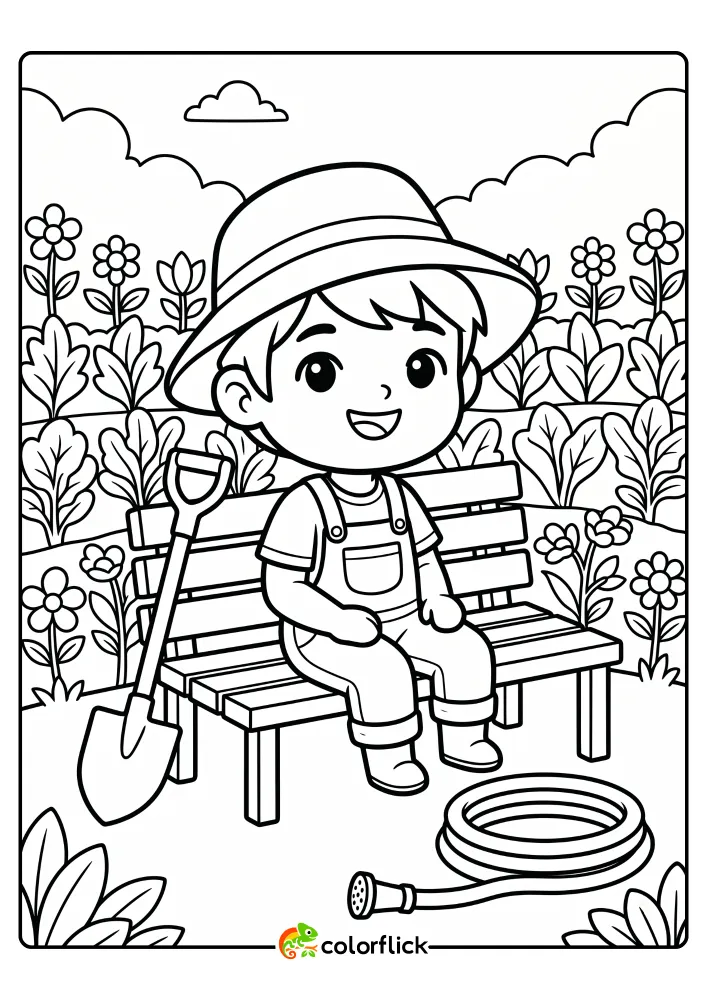
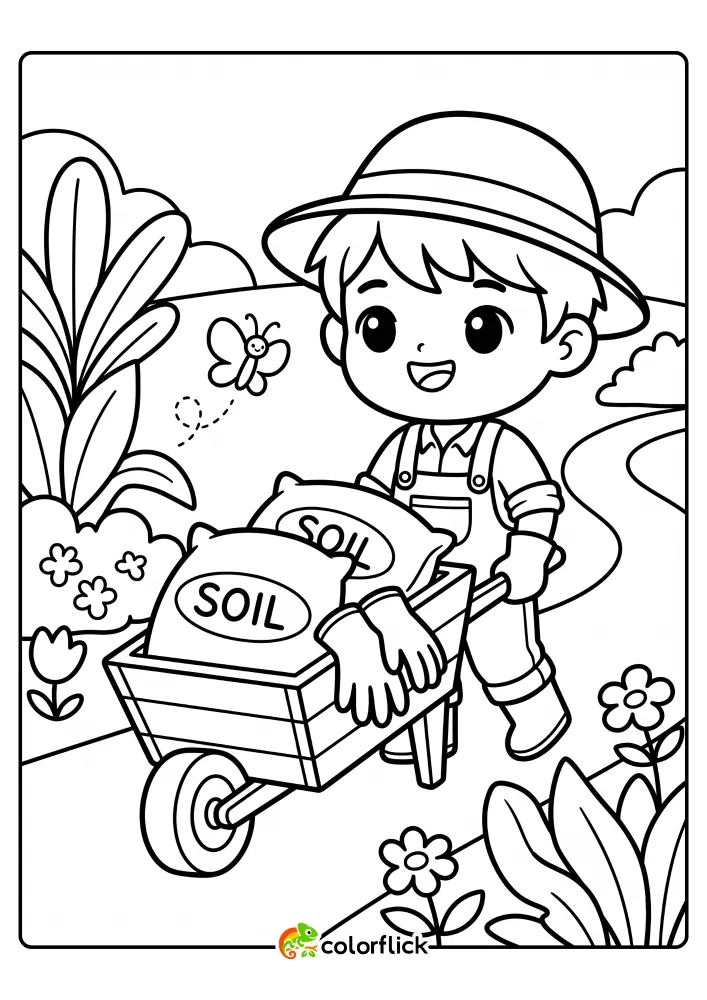
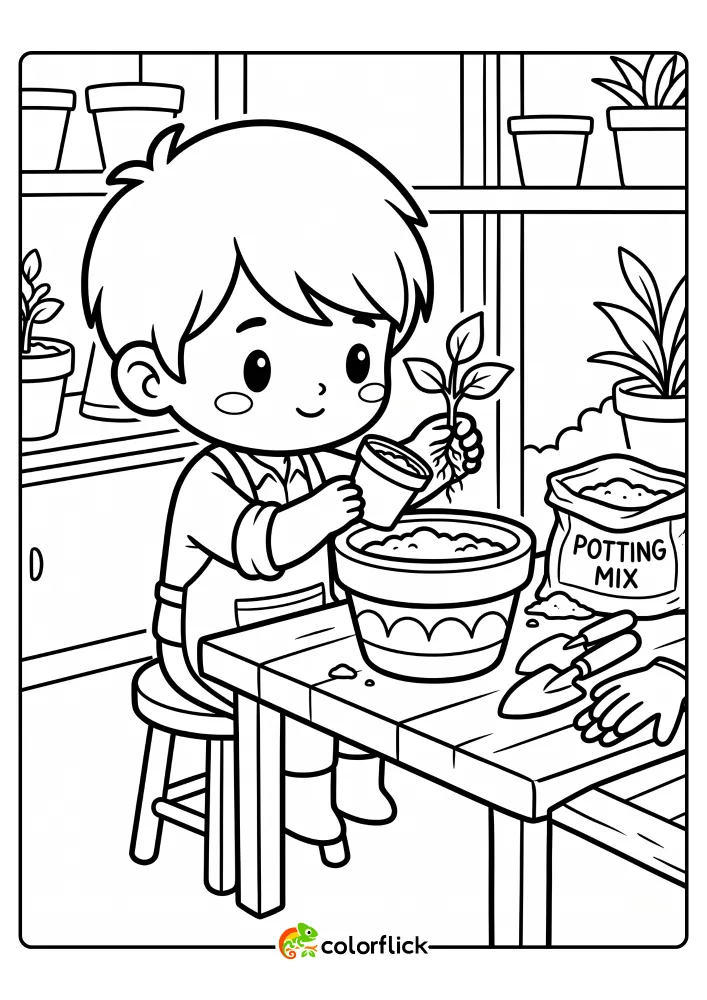
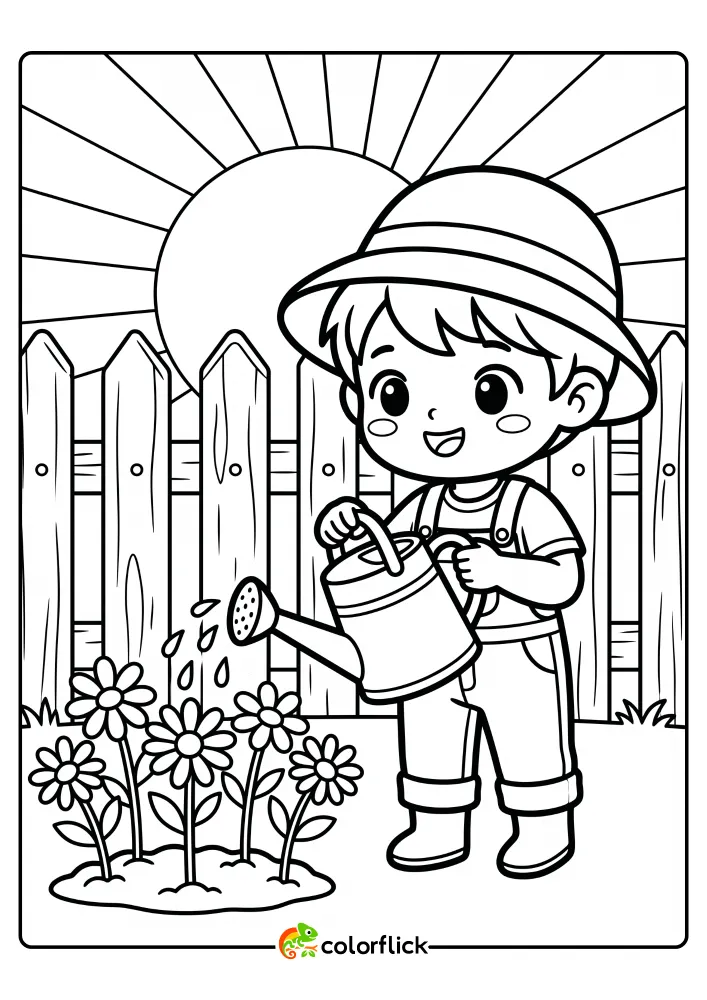
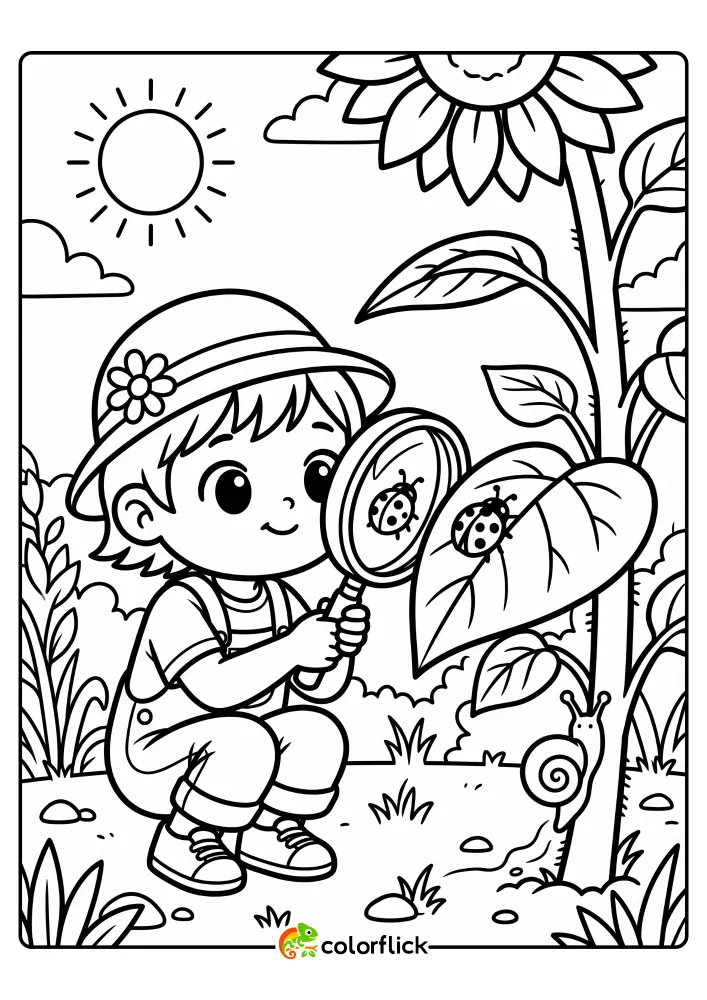
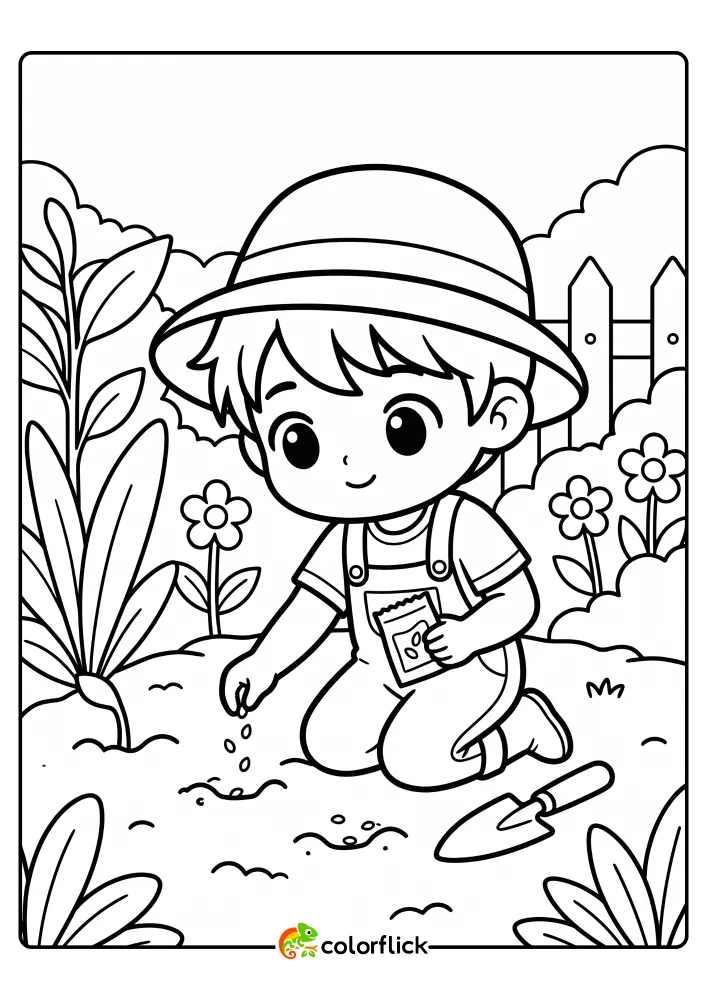
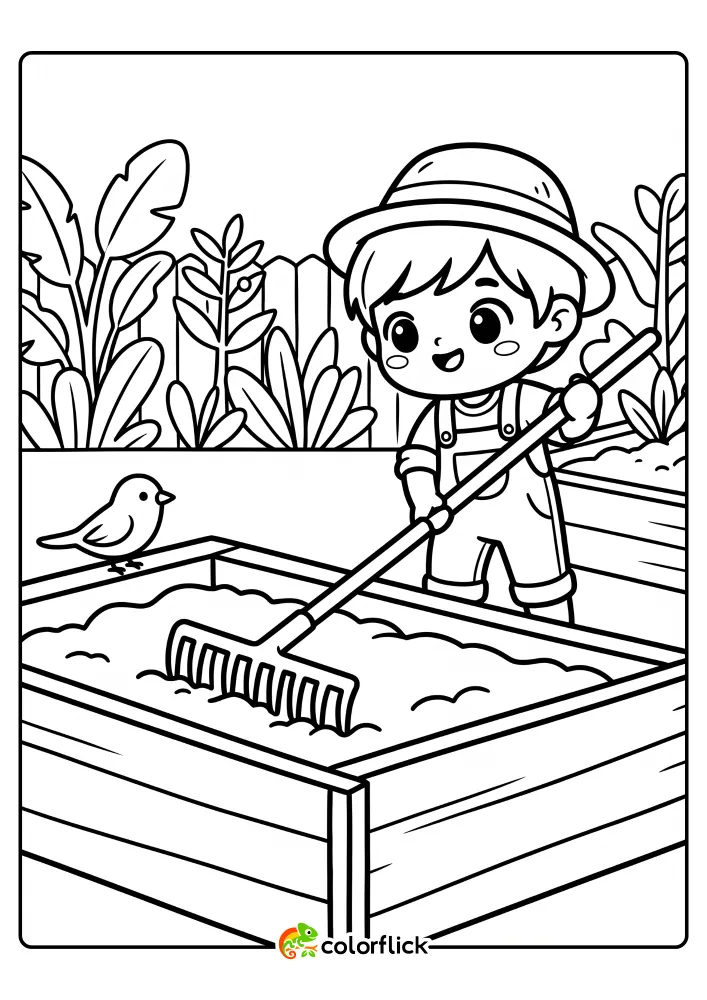
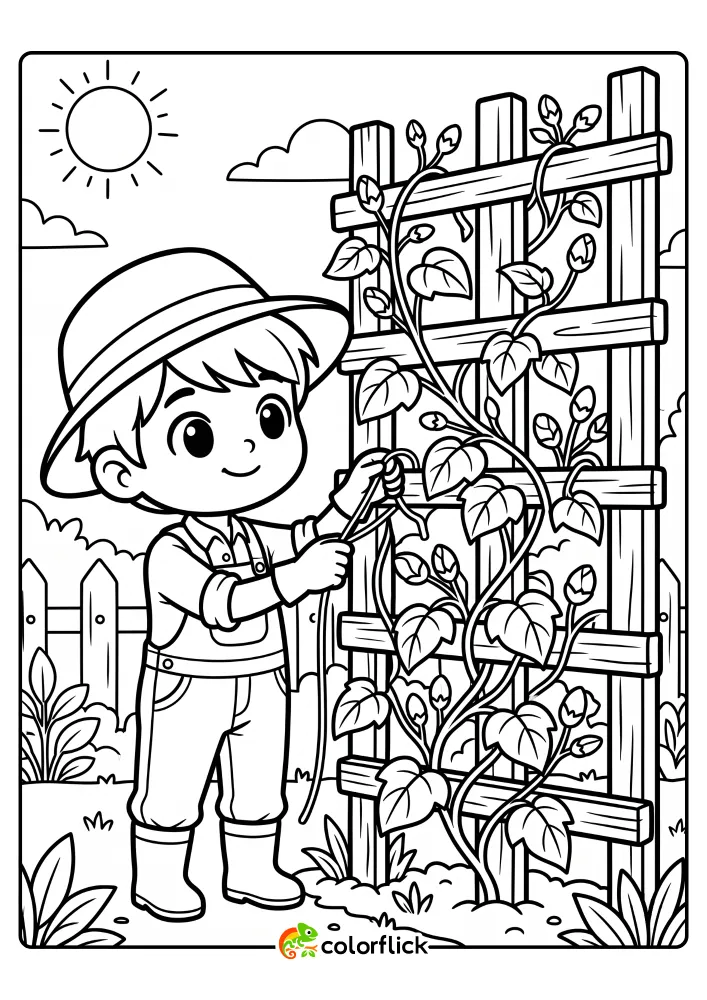
When “Simple” Garden Pages Still Feel Too Hard for Little Hands
Toddlers are wired for big, bold, satisfying wins—tiny flower petals and skinny stem lines are the enemy of that feeling.
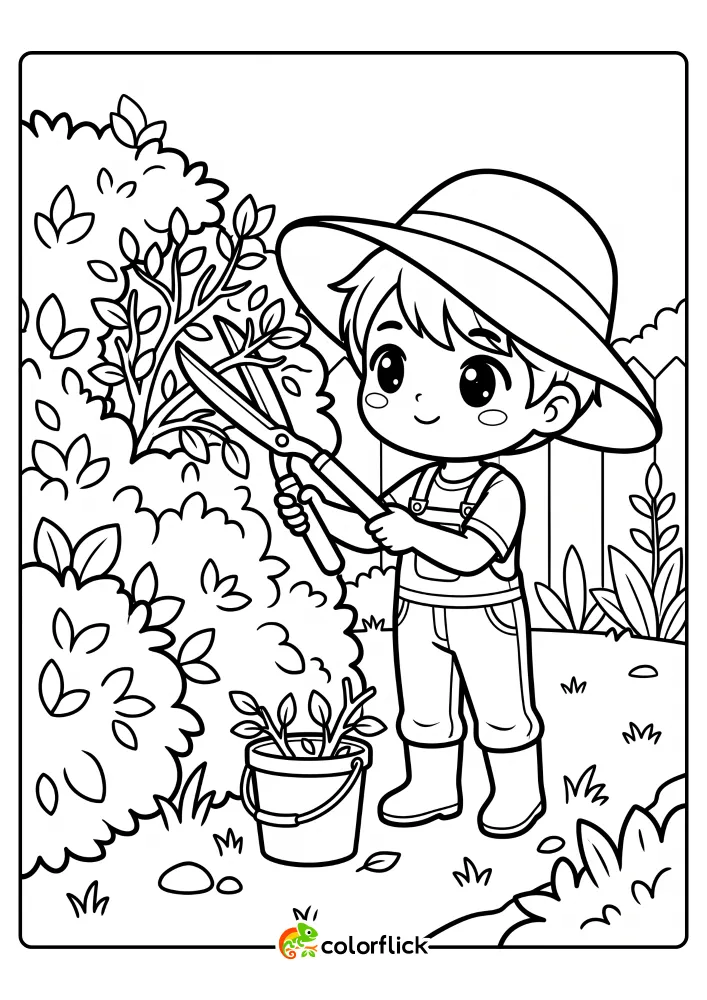
Most standard coloring pages are designed with older kids in mind. The line art is intricate, the sections are small, and a toddler’s naturally broad crayon stroke goes outside the lines before they’ve even registered there are lines. That one moment of “I messed it up” is enough to shut the whole activity down. Choosing thick-line, simple plant coloring pages for toddlers isn’t about lowering expectations—it’s about engineering a guaranteed success.
Your Toddler-Proof Garden Session Setup
You don’t need to buy anything special. Raid the recycling bin and the craft drawer.
- A printer (home inkjet or school laser—either works)
- Standard 24–32 lb copier paper for printing
- One sheet of cardstock or an old calendar back as a firm surface underneath
- Broad-tip washable markers or chunky crayons (skip the thin-barrel ones for now)
- Tape or a clipboard to keep the page from sliding
- Newspaper or a silicone placemat to protect the table
The 4-Step Setup That Turns Chaos Into Calm Coloring Time
The secret isn’t in the coloring—it’s in the five minutes of prep before your toddler sits down. Get these four things right and the session practically runs itself.
1. Pick a Big-Line Garden Coloring Page (and Size It Right)
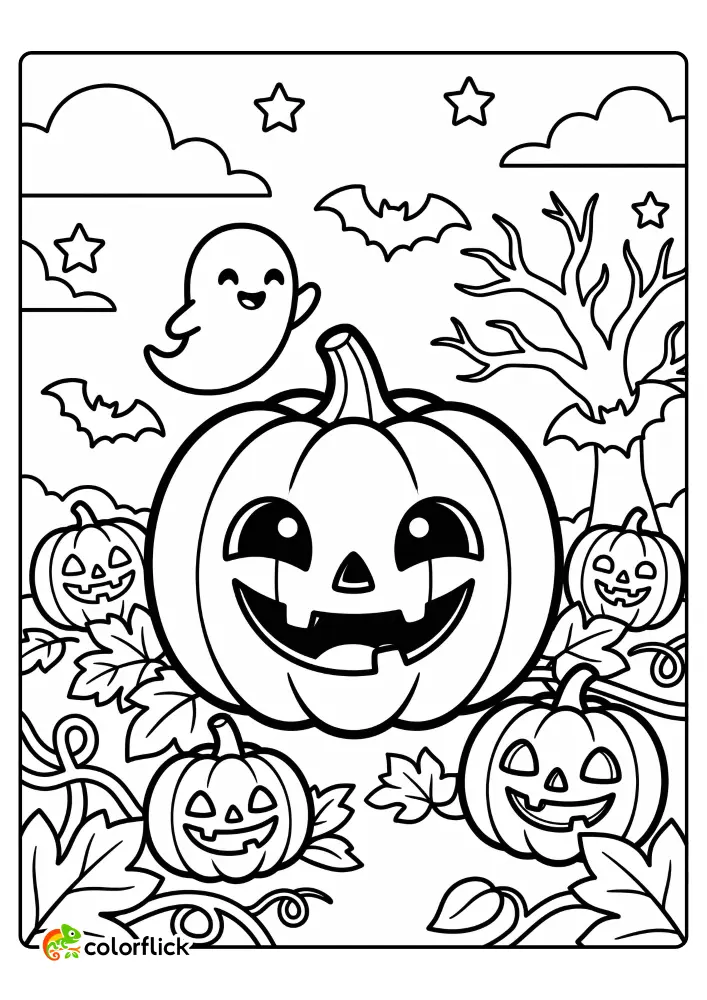
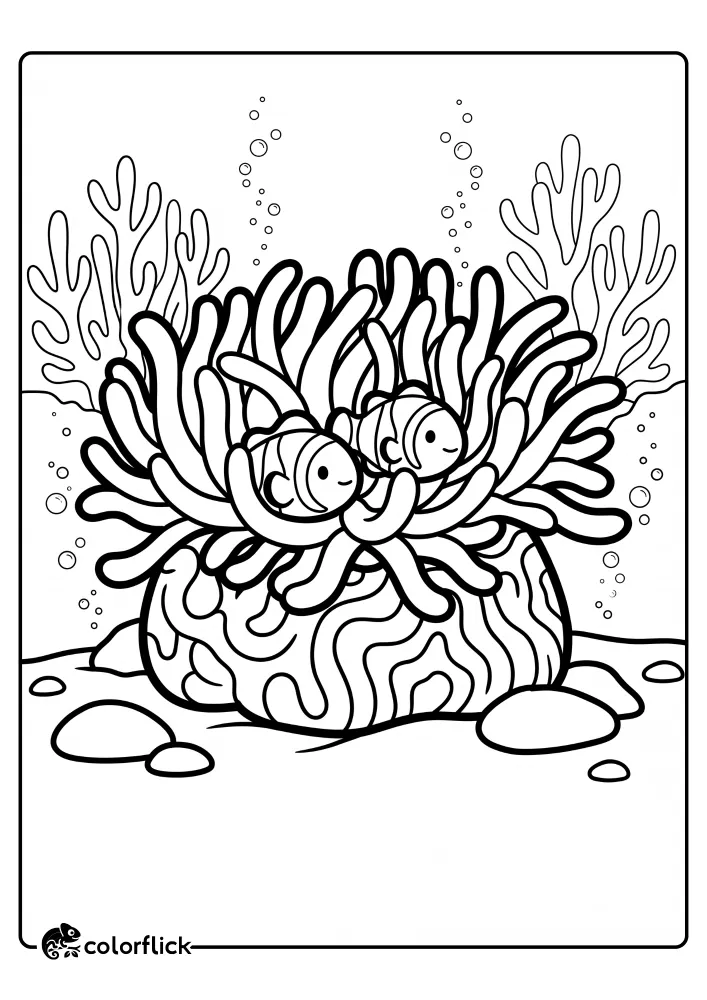
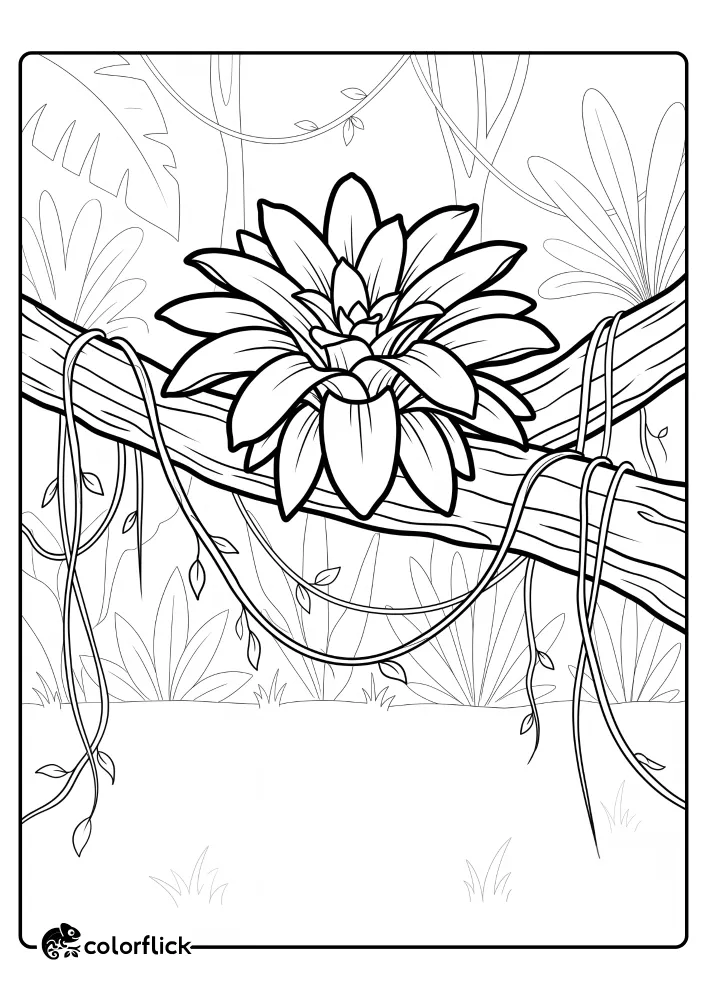
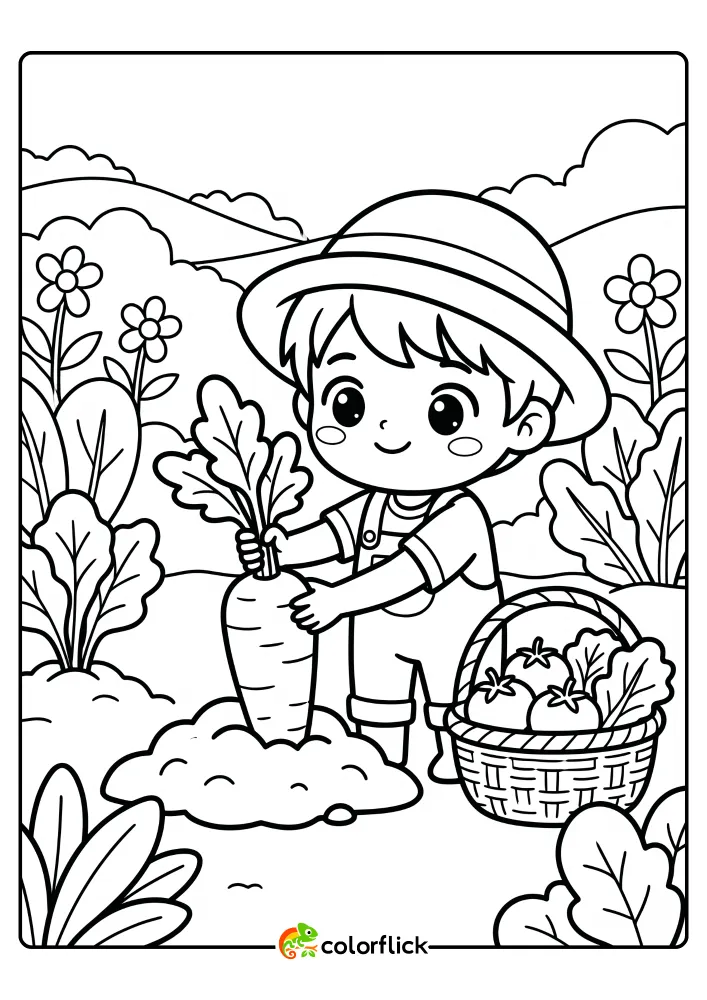
Search specifically for thick-line garden coloring pages or beginner gardening coloring printables—these use bold outlines (typically 3pt or heavier) with large, open fill areas like a single sunflower, a big round pumpkin, or a chunky watering can. When you go to print, set the scale to 85–100% so the image fills most of the page. A larger image means larger sections to color, which means more room for little hands to succeed without touching a boundary line.
2. Add a Firm Surface Behind the Printed Sheet
Lay your printed garden sheet on top of one piece of cardstock or a stiff calendar backing, then clip or tape the top edge to a clipboard. This single step stops the page from sliding and crumpling under the pressure of an enthusiastic toddler grip—which is surprisingly forceful. A stable surface also prevents the micro-tears that happen when a crayon catches a fold, which is one of the fastest routes to a frustrated child.
If markers are your go-to tool, see our No-Bleed Gardening Coloring Pages guide for marker-friendly printing tips that stop bleed-through before it starts.
3. Demonstrate One Gentle Stroke, Then Step Back
Before your toddler starts, pick up a crayon yourself and make one slow, gentle stroke inside one section—narrating as you go: “Watch, I go reeally slowly inside the big space.” Then hand it over. Toddlers are natural mimics, and one demonstration does more than five instructions. Broad-tip washable markers and chunky crayons are ideal here because they deposit color with light pressure, so there’s no need to press hard—which is exactly what causes paper tears and line blow-outs.
4. Protect the Table and Celebrate What They Made
Lay a few sheets of newspaper or a silicone placemat under the whole setup before the caps come off. This turns any surface into a mess-safe zone and removes the stress from you, which kids absolutely pick up on. When the page is done—whether it looks like a masterpiece or a tornado—hold it up and name something specific: “Look how you filled in that whole big leaf!” Praise that points to effort and completion, not accuracy, is what builds the confidence to try the next sheet.
The Thick-Line Rule: Why Outline Weight Changes Everything
Here’s the one thing worth remembering past today: outline thickness is the single most important feature of a toddler-friendly printable. A standard coloring page uses 1–1.5pt lines. A toddler-appropriate page uses 3pt lines or heavier. That extra weight creates a visual “wall” that little eyes can actually track, making it easier for small hands to self-correct before they cross it. When you’re browsing for printable plant coloring sheets for toddlers or preschool garden coloring activities, filter or search with the words “thick line,” “bold outline,” or “simple shapes”—these signal pages designed with developmental stage in mind, not just aesthetic.
Turn Colored Pages Into a Mini Garden Gallery
Once a few pages are done, the fun doesn’t have to stop at the table. Tape or glue each finished sheet to a popsicle stick, then stand the sticks upright in a jar filled with dry rice or dried beans. Add a small label in the child’s own handwriting (or dictated to you)—“Tomato,” “Flower,” “My Garden”—and you’ve turned a coloring activity into a display they’ll point to proudly for days. For sheets that also name plant parts, check out Gardening Coloring Pages with Plant Parts Labeled for printables that extend the learning naturally.
You can also add a single 60-second learning moment while they color: point to the plant and ask, “Do you think this needs sun or water to grow?” No wrong answer. Just a little spark of curiosity planted right alongside the creativity.
Ready to Print and Go
Choose a big-line sheet, firm up the surface, hand over the chunky markers, and protect the table. That’s genuinely all it takes to turn a gardening coloring session from a frustration into a highlight of the day. Print one page tonight—see what blooms.